

















Search
Scientific Method

For 13.8 billion years, the Universe has been expanding. But that couldn't have been the case for an eternity, and science has proven it.

Dark matter has never been directly detected, but the astronomical evidence for its existence is overwhelming. Here's what to know.
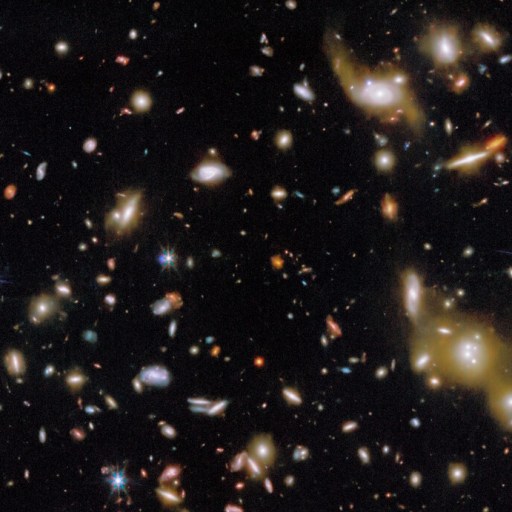
To learn how our Universe grew up, we have to look at large numbers of galaxies at all distances to find out. Good thing we have JWST!
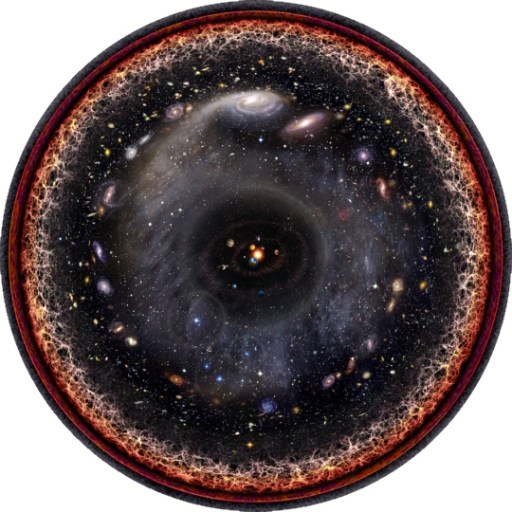
If you think of the Big Bang as an explosion, we can trace it back to a single point-of-origin. But what if it happened everywhere at once?

Members
This class explores human cognition and decision-making through insights from experts like Michio Kaku on magical thinking, Madhavan on systems-level thinking, Mlodinow on elastic thinking, Konnikova on deductive reasoning, and Summers on structured decision-making, promoting a scientific mindset for effective problem-solving.
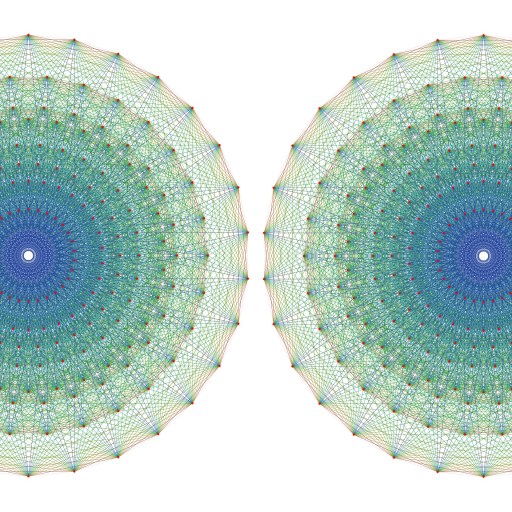
The Holy Grail of physics is a Theory of Everything: where a single equation describes the whole Universe. But maybe there simply isn't one?

Since even before Einstein, physicists have sought a theory of everything to explain the Universe. Can positive geometry lead us there?

11mins
"We're stuck at type zero. But what would it take to move between universes? What would it take to enter a black hole? What would it take to break the light barrier?"
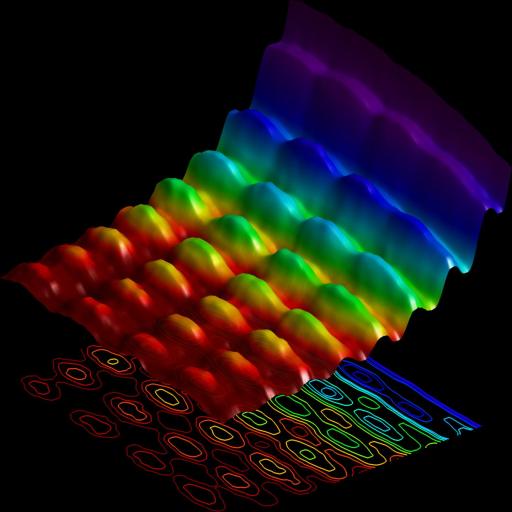
There could be variables beyond the ones we've identified and know how to measure. But they can't get rid of quantum weirdness.


2mins
Astrobiologist Betül Kaçar on why the simple act of asking questions (without needing a reason) is one of the most powerful things a human can do.

When it comes to our Universe's origins, scientists discuss the Big Bang, cosmic inflation, and other theories. Why doesn't "God" come up?
The conversation you're having with an LLM about groundbreaking new ideas in theoretical physics is completely meritless. Here's why.

From high school through the professional ranks, physicists still take incredible lessons away from Newton's second law.
No matter what it is that we discover about reality, the fact that reality itself can be understood remains the most amazing fact of all.
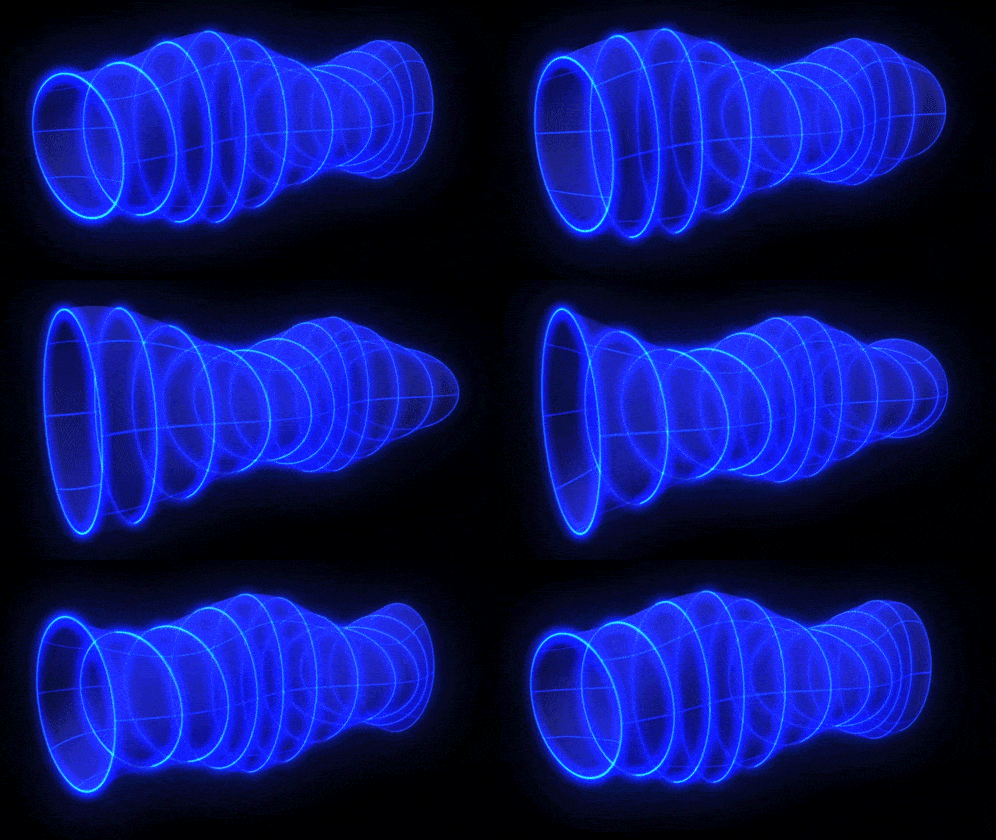
With over 300 high-significance gravitational wave detections, we now have a huge unsolved puzzle. Will we invest in finding the solution?