










Search
Social Change
3mins
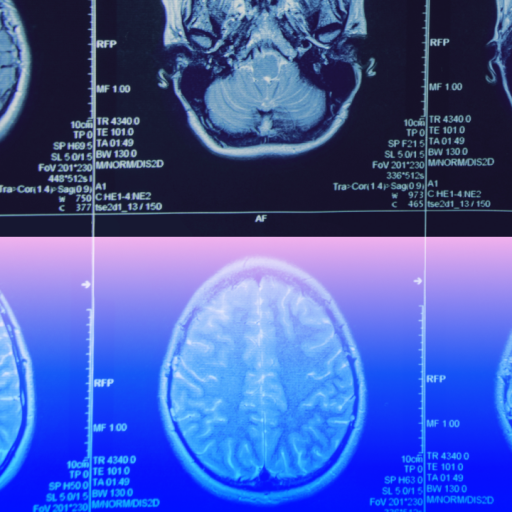
From neuroscience to philosophy, experts reveal why compassion may be the most important human skill we have.
Unlikely Collaborators
3mins
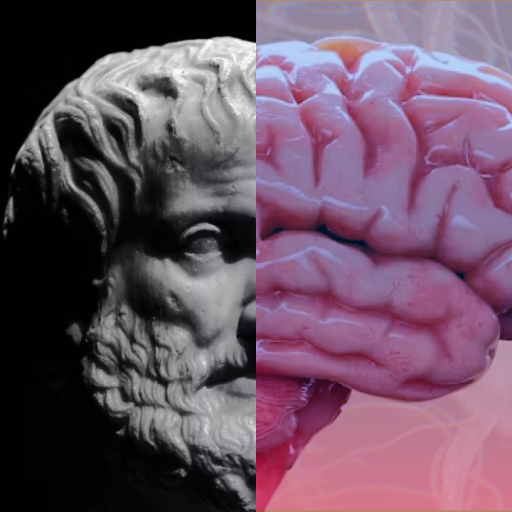
Philosophy asks if free will is real. Neuroscience reveals why the answer is more complicated than we expected.
Unlikely Collaborators
6mins
Daily habits can help you thrive or quietly turn into addictions. The difference is how your brain handles cues, routines, and rewards. Three experts explain how to work with your wiring instead of against it.
Unlikely Collaborators
3mins
Language is a huge part of human development, even the language we keep to ourselves. Three experts explain how words and beliefs can change our brains and our lives:
Unlikely Collaborators
3mins
Sleeping better helps you think better, which helps you live better. Three experts explain why quality sleep is imperative to brain function, problem solving, communication, and more.
Unlikely Collaborators
7mins
How can the brain — a piece of matter — love? Physics and chemistry explain the material world, but they can’t explain why it feels like something to be alive. This is the mystery of consciousness, according to these experts.
Unlikely Collaborators
2mins
A physician, a psychologist, and a mindfulness teacher explain what stress does to your body and mind, and how to use it to get smarter and stronger.
Unlikely Collaborators
3mins
Biologist Tyler Volk PhD, psychiatrist Bruce Greyson MD, and palliative care physician BJ Miller MD, reveal how confronting mortality can improve the way we live.
Unlikely Collaborators
7mins
A neuroscientist, a psychologist, and a psychotherapist discuss how emotions are stories built from old experiences.
Unlikely Collaborators

2mins
Happiness researchers Robert Waldinger MD, Tal Ben-Shahar PhD, and Peter Baumann explain why the happiest people aren’t happy all the time.
Unlikely Collaborators
3mins
Humans have always had religion. What does this say about our minds? Reza Aslan PhD, Lisa Miller PhD, and Rob Bell MDiv explain.
Unlikely Collaborators

5mins
What happens when the boundaries of “you” disappear? James Fadiman, PhD, Jamie Wheal, and Matthew Johnson, PhD explore how supported experiences with psychoactive drugs can dissolve identity and reveal a deeper reality.
Unlikely Collaborators
2mins
Your body language sends messages before your mouth does. Author Robert Greene and negotiation expert Daniel Shapiro PhD explain the key characteristics of nonverbal power and emotional presence that shape how others perceive you.
Unlikely Collaborators
2mins
Your brain changes when you experience something, and it changes again when you remember it. Two neuroscientists explain what that means for memory, perception, and identity.
Unlikely Collaborators
7mins
Three doctors break down brain function, somatic awareness, and how to recover from bad experiences.
Unlikely Collaborators