















Search
Technology
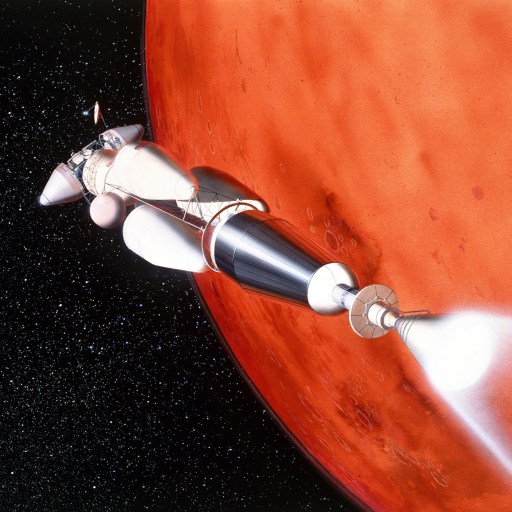
"Think of it like a transcontinental railroad — not the fastest way to move a lot of mass, but certainly the most efficient,” Jared Isaacman said about nuclear electric propulsion.

6mins
Daily habits can help you thrive or quietly turn into addictions. The difference is how your brain handles cues, routines, and rewards. Three experts explain how to work with your wiring instead of against it.
Unlikely Collaborators
Behind the plateau in corporate AI lies a surge in personal and agentic use.
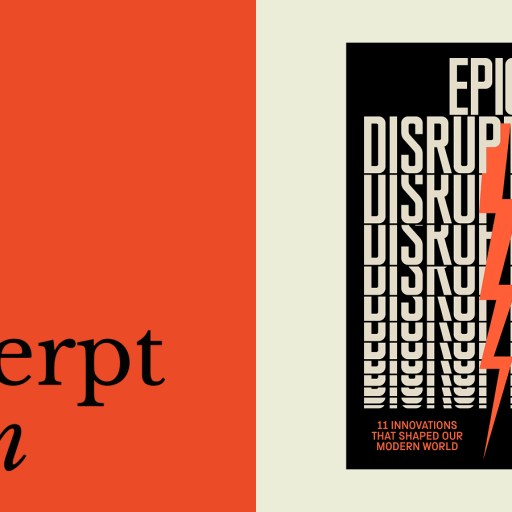
Even when leaders know disruption is a smart long-term decision, the pain of transition can produce a titanic shambles. Just ask Kodak.
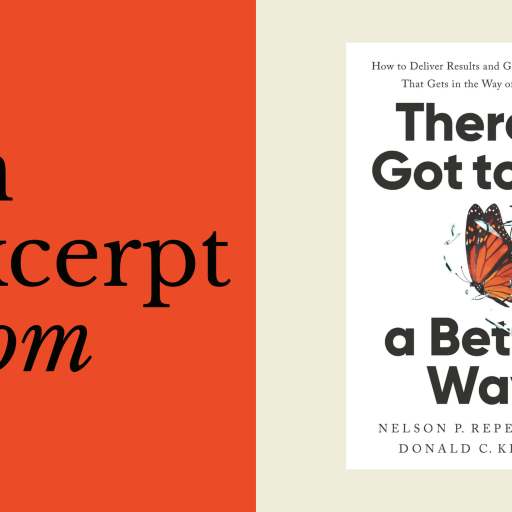
MIT Sloan’s Nelson P. Repenning and Donald C. Kieffer outline their tried-and-tested solution for stubborn workflow blockages.
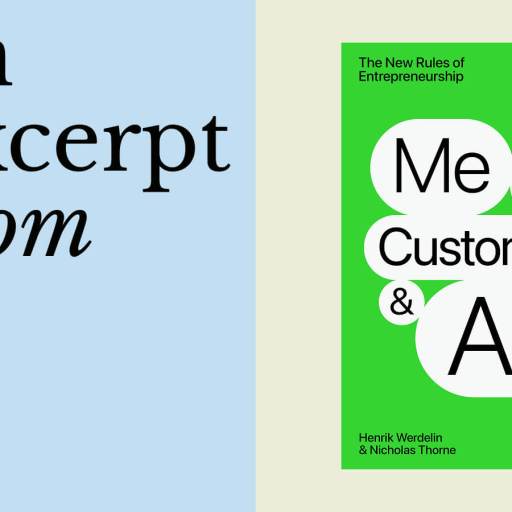
In the post-AI startup landscape, the role of the entrepreneur will evolve from operator to orchestrator. Are you ready?
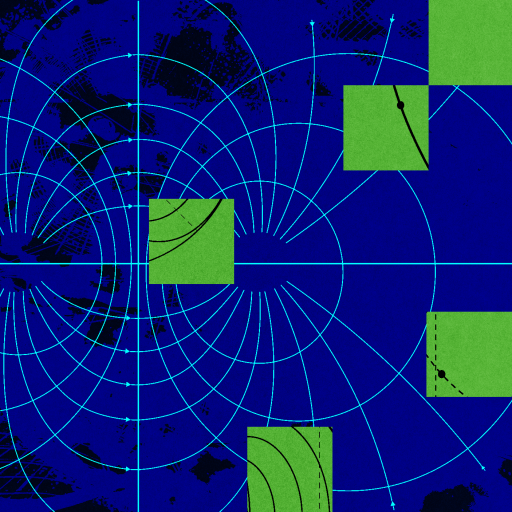
The conversation you're having with an LLM about groundbreaking new ideas in theoretical physics is completely meritless. Here's why.
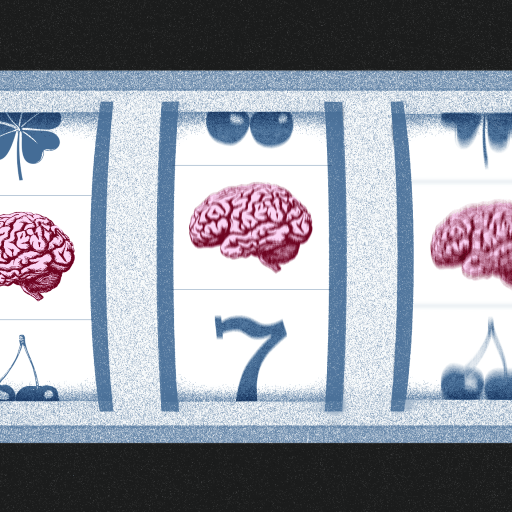
Stuck on a hamster wheel of mindless social media scrolling? Neuroscientist Anne-Laure Le Cunff explains how to consciously redirect your reward system.

With over 300 high-significance gravitational wave detections, we now have a huge unsolved puzzle. Will we invest in finding the solution?