







Books

A woman in Victorian-era clothing reclines on a sofa, reading a small book with an ornate patterned background behind her.
The word "BOOKS" in large white letters, with the two O's replaced by a simple open book icon.
Where books open worlds

Books are more than stories on a page — they are mirrors, maps, challenges, and companions in understanding ourselves and the world we inhabit.

Big Think Books is a space devoted to the writers and ideas that shape culture, knowledge, and the way we think. Through thoughtful recommendations, deep dives, and engaging commentary, this column guides readers toward books that expand curiosity, provoke insight, and deepen understanding across fields like science, history, psychology, literature, and more. Whether you’re exploring the latest releases or rediscovering timeless classics, here you’ll find ideas worth your time and thought.

with

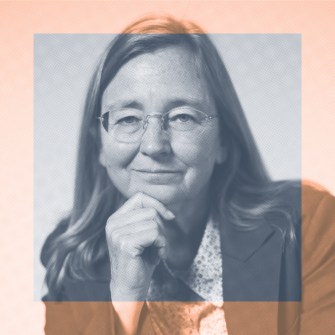
Kevin Dickinson is a staff writer and columnist at Big Think, focusing on the intersection of education, psychology, business, and science. He holds a master’s in English and writing, and his work has appeared in Agenda, RealClearScience, and The Washington Post.

Full Profile
A man with short gray hair and wearing a plaid shirt is seated at a wooden table in a dimly lit restaurant, smiling at the camera.
5 horrifying stories that double as lessons in philosophy
Each of these stories rests on a foundation of great ideas that will scare you to death and make you think.

Scotty Hendricks

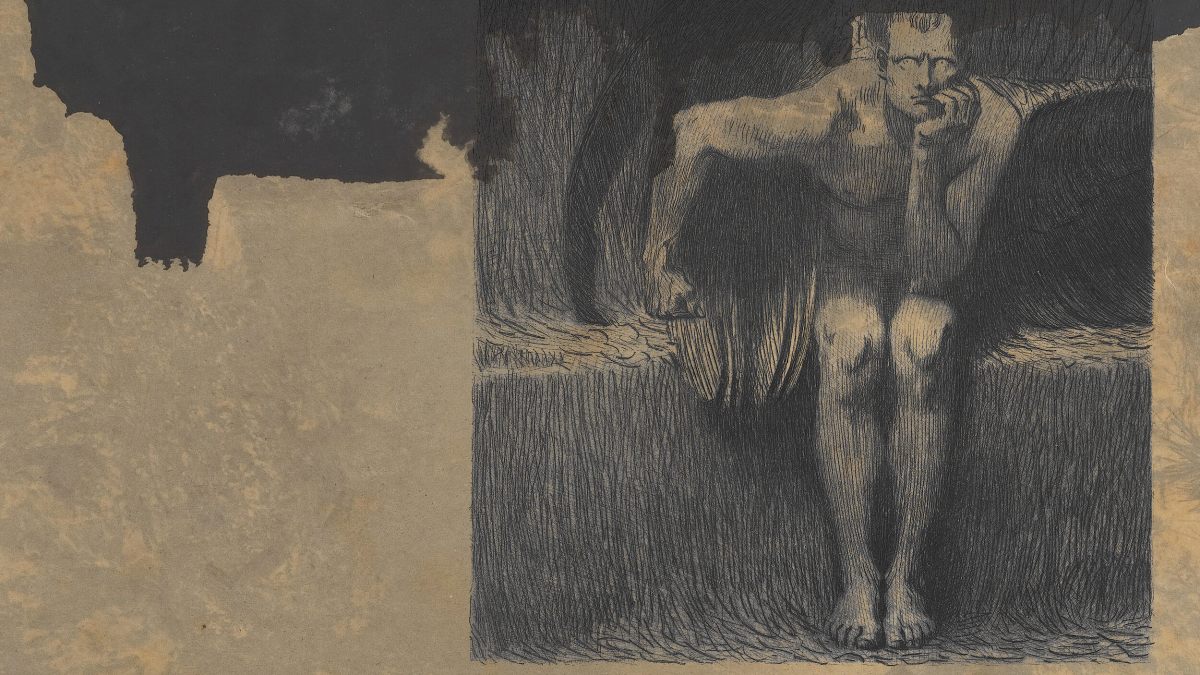
A sketch of a seated, nude figure resting their chin on one hand, surrounded by dark shading and a textured background, evokes an atmosphere of philosophy horror.
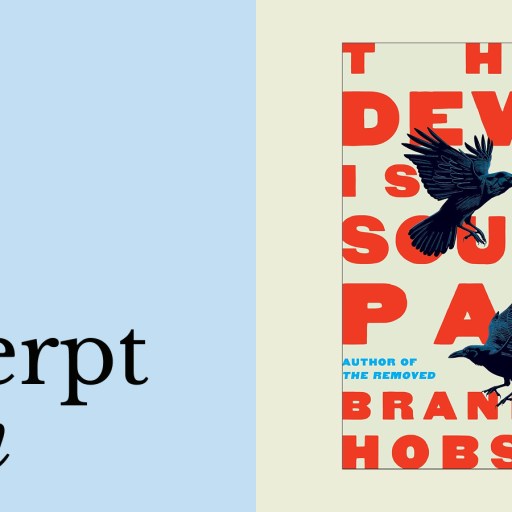
Book cover of The Devil Is a Southpaw by Brandon Hobson featuring two black birds; text on left reads "an excerpt from" on a light blue background.
A preview of the latest novel by the National Book Award finalist Brandon Hobson.
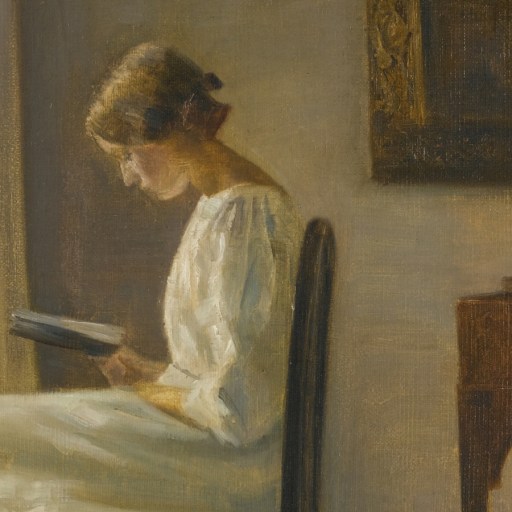
A woman in a white dress sits on a chair by a window, reading a book in a softly lit room with a piano nearby, embodying the quiet charm of why read old books.
Reading classic books can teach you as much about the present as the past.
Out-of-focus trees in the foreground with a clear full moon visible in the dusk sky, evoking a scene worthy of tristan gooley’s natural navigation.
Natural navigator Tristan Gooley joins us to discuss the philosophy of reading nature’s hidden clues — and how relearning this ancient skill can help us see the world, and ourselves, with greater awareness.
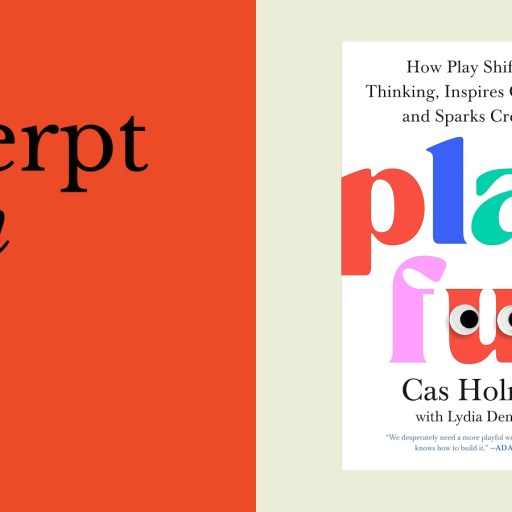
The image features the phrase "an excerpt from" on a red background next to the book cover of "Playful" by Cas Holman with Lydia Denworth, highlighting insights from play research.
In this excerpt from "Playful," Cas Holman surveys the research that brought the neuroscience of play into the mainstream.
A close-up of a spotted nudibranch with translucent, pointed cerata on a brown underwater branch against a black background, inviting reflection on the intricate nature of consciousness in marine life.
In this excerpt from "One Hand Clapping," Nikolay Kukushkin makes the case that neurons reveal how memory, meaning, and even consciousness emerge from the same biological roots in humans, sea slugs, and beyond.
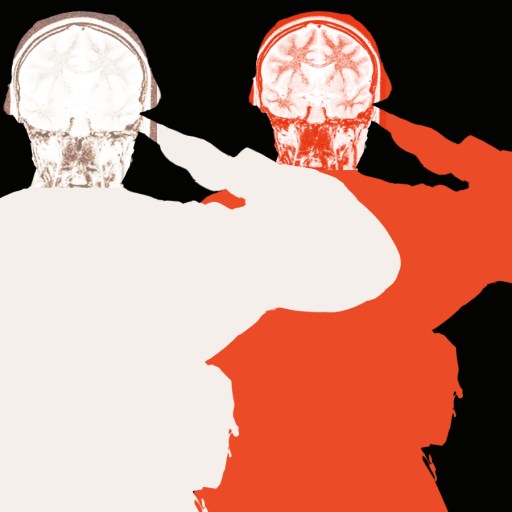
Two figures in military gear salute, rendered in white and red with visible brain scans over their heads, set against a black background—a striking nod to the neuroscience of war.
In “Warhead,” neuroscientist and national security adviser Nicholas Wright explains how the brain navigates warfare and why it is our ultimate weapon (and instrument for peace).
Aerial view of two groups of people waiting in line and walking on a paved surface, casting long shadows in the sunlight.
In this excerpt from "Lucky By Design," Judd Kessler explains how opportunity costs shape our choices and why time is the real price we pay.
A book cover titled "All That We See or Seem" by Ken Liu rests on a light background, beside text reading "an excerpt from" on a vibrant purple background.
A preview of the latest novel by the Hugo- and Nebula-winning author.
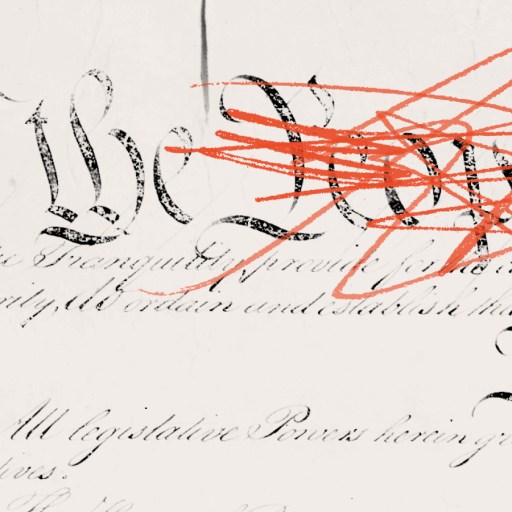
A section of the U.S. Constitution, with the iconic words "We the People" partially obscured by red scribbles, highlights the enduring significance of this historic document.
In "We the People," Harvard historian Jill Lepore examines how the U.S. Constitution became unamendable and its implications for the health of the democracy.
A book cover of "The Art of Spending Money" by Morgan Housel, with the text "an excerpt from" on a blue background to the left—exploring how to be miserable spending money.
In this excerpt from "The Art of Spending Money," Morgan Housel lays out the spending and financial habits guaranteed to end in regret.
The image shows the cover of the book "Governing Babel" by John P. Wihbey, featuring the text "an excerpt from" on a light blue background, hinting at themes like online speech moderation.
In this excerpt from "Governing Babel," John Wihbey explores how AI is reshaping online moderation by offering tools that can help human moderators, but also raises the risk of disinformation and digital chaos.
Book cover with the title "The Formula for Better Health" by Tom Frieden, MD, MPH, shown next to the text "an excerpt from" on a split green and beige background—a nod to Alice Hamilton’s legacy in public health.
In this excerpt from "The Formula for Better Health," Tom Frieden explores how Alice Hamilton transformed public health in her fight against lead poisoning.
Book cover for "Seven Rivers" by Vanessa Taylor, depicting a busy historical scene along the Nile River with many boats; text on left reads "an excerpt from" in black font on yellow background.
In this excerpt from "Seven Rivers," historian Vanessa Taylor explores how Ancient Egyptian pharaohs harnessed the Nile River to build empires and secure their power.
A young girl with light brown hair sits with her knees drawn up, looking down, illustrated blue teardrops on her face—capturing a quiet moment that reflects why humans cry.
In this excerpt from "When Everyone Knows That Everyone Knows…," Steven Pinker examines how crying may have evolved as part of a suite of emotional expressions aimed at strengthening social bonds.
Black and white illustration of a human brain with purple scribble circles and arrows pointing toward it on a light background, perfect for those interested in books about the brain.
Neuroscientist Rachel Barr shares her favorite books on the brain and how they shaped her approach to the field.
a painting of a woman avidly reading a book.
Despite the claims of speed reading apps and programs, you actually have to read the book if you want to learn.
The word "liberalism" in white lowercase text is centered on a black background, surrounded by rough red circles drawn with a crayon effect, visually emphasizing the ongoing discourse on liberalism.
In “On Liberalism," Cass Sunstein argues that liberalism can only endure if we reclaim its core commitments and revive its spirit of freedom and hope for the future.
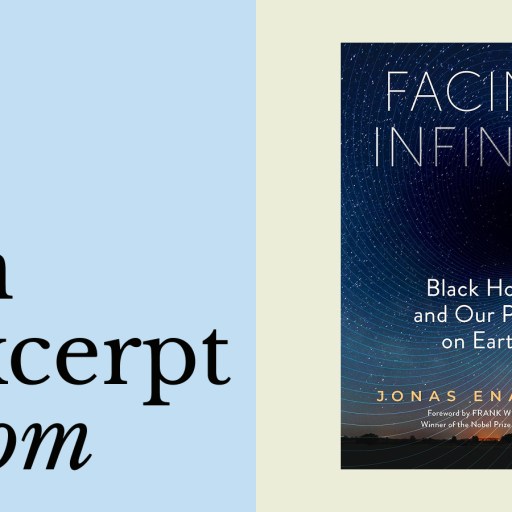
Book cover of "Facing Infinity: Black Holes and Our Place on Earth" by Jonas Enander, exploring the mysteries priest black holes hold, next to the text "an excerpt from" on a split blue and beige background.
In this excerpt from "Facing Infinity," Jonas Enander examines how John Michell conceived of "dark stars," or massive bodies with enough gravity to trap light, all the way back in 1783.
An open book, symbolizing dangerous books, burns with flames rising from its pages against a black background, its fiery reflection shimmering on a glossy surface.
In "That Book Is Dangerous," author Adam Szetela examines the rise of the “Sensitivity Era” in publishing and how outrage campaigns try to control what books authors can write and readers can read.
Book cover of "The Story of CO2 Is the Story of Everything" by Peter Brannen, featuring themes like fire and human evolution, alongside the text “an excerpt from” on a light blue background.
In this excerpt from "The Story of CO2," Peter Brennan explains how changes in the Earth's ecosystem led to fire, which in turn led our ancestors to become the "fire apes."