





Test Special Issue

Game Change

Do elite athletes really make elite employees?

Sports, we tend to assume, offer a sharp-edged reflection of business life in microcosm — leadership under pressure, the winning mentality, valuable lessons drawn from loss. It’s all there. Just kick back with a beer and a pizza and watch your pathway to workplace success unfold on game day. Well, it turns out that the connections are often far more nuanced than we might have presumed. Do elite athletes really make elite employees? What’s the connection between Swedish pragmatics in soccer and a thriving startup culture? Have you factored in the difference between “wicked” and “kind” environments (and what does that even mean)? We investigate all of these pivotal tangents, and much more, in this Big Think special collection of essays, interviews, and curated book excerpts. Forget everything you’ve been told about the synergies between sports and business. It’s time to rewrite the rules.
Blue background with the words "Game Change" in white, surrounded by strategic game symbols and graphs in the background.
Presented by
John Templeton Foundation
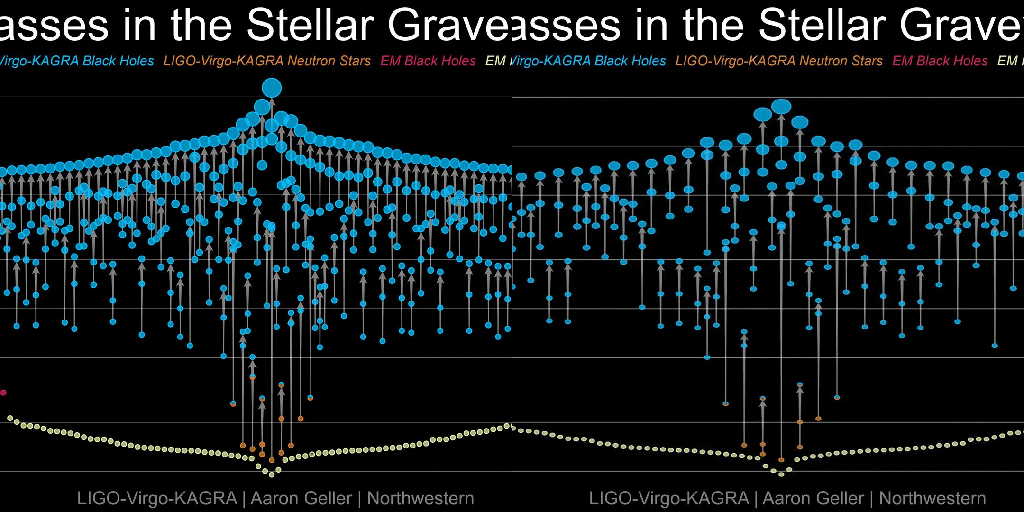
A chart titled "Masses in the Stellar Graveyard" shows the black holes and neutron stars detected by LIGO-Virgo-KAGRA, plotted on a logarithmic scale in solar masses, highlighting how LIGO triples black hole haul with each new discovery.
10 years ago, LIGO saw its first gravitational wave. After 218 detections, our view of black holes has changed forever. Can this era endure?
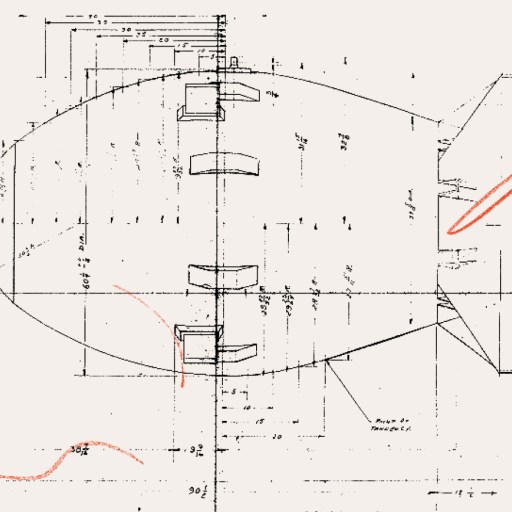
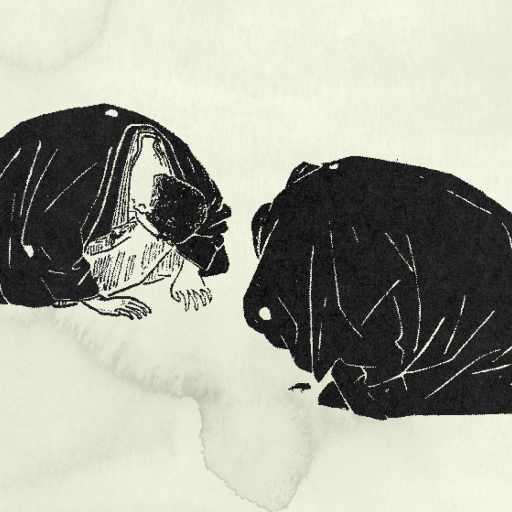
Technical drawing of an oval-shaped mechanical object with measurements and annotations, overlaid with orange scribble lines, subtly hinting at themes of colonial propaganda.
In this excerpt from "Tales of Militant Chemistry," Alice Lovejoy exposes how the need for uranium during WWII led the Allied governments to turn a blind eye to colonial exploitation.
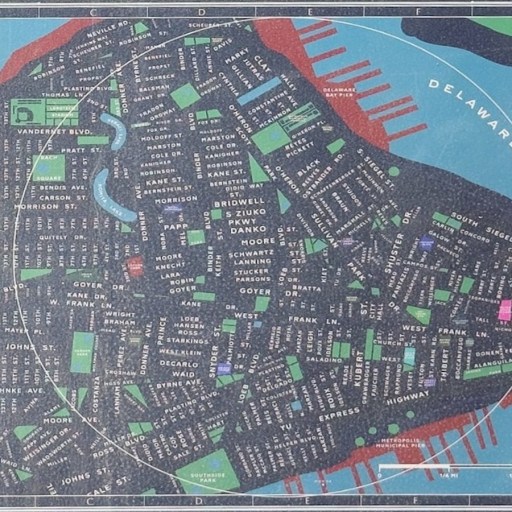
Illustrated map showing streets, parks, and landmarks of a coastal city bordered by Hob's River and Delaware Bay, with a compass rose in the lower right corner.
The latest "Superman" film sets Metropolis in the First State.
Split image: Left side has the words "an excerpt from" on a red background; right side features the book cover "There's Got to Be a Better Way" by Repenning & Kieffer, highlighting insights on dynamic work design with a butterfly illustration.
MIT Sloan’s Nelson P. Repenning and Donald C. Kieffer outline their tried-and-tested solution for stubborn workflow blockages.
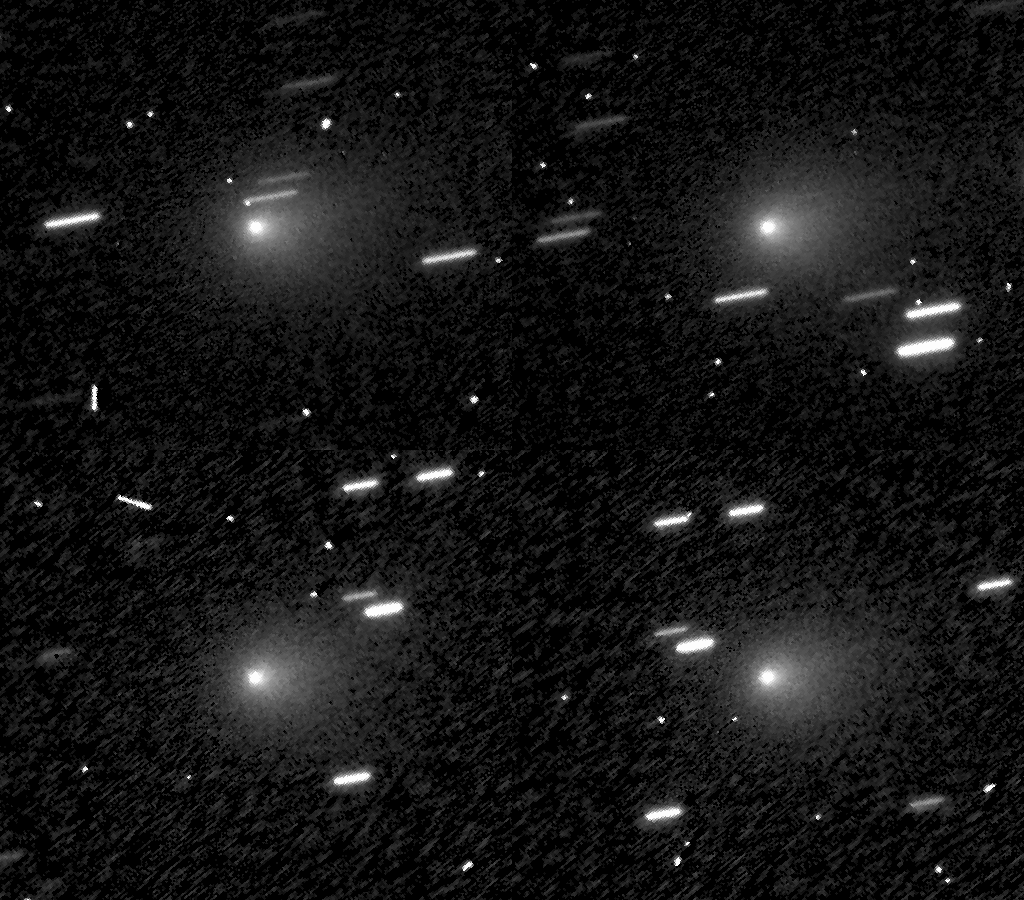
A grainy black and white image shows SPHEREx comet 3I/ATLAS gleaming at the center, surrounded by stars appearing as streaks due to long exposure.
Designed to map galaxies, the SPHEREx mission's first science result is instead about interstellar interloper 3I/ATLAS. No, it's not aliens.
A grayscale portrait of Caterina Fake is centered between an FDNY ambulance on the left and patterned designs with circular symbols on the right.
Venture capitalist and Flickr co-founder Caterina Fake talks to Big Think about why AI won’t make the internet better, her influences beyond tech, and more.
A person in classical attire holds a laurel wreath and a palm branch against a blue sky background.
6mins
Virtue is hard to attain, and that’s the point. Sarah Schnitker explains why self-help shortcuts miss the mark.
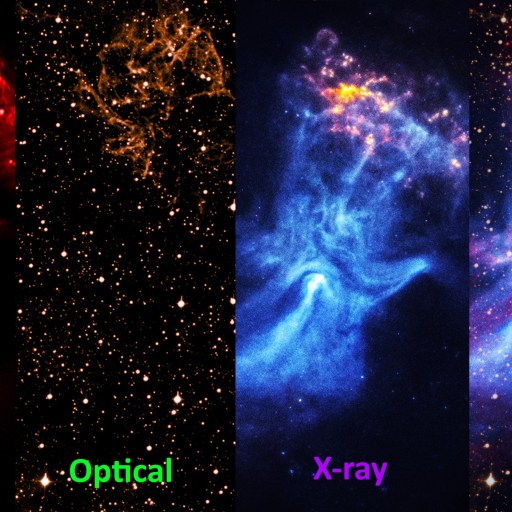
Four images of a nebula, sculpted by a dead star, are shown side by side in radio, optical, and X-ray wavelengths; the fourth composite image reveals the so-called "Hand of God." Each is labeled at the bottom.
In our own Milky Way, a recently deceased star creates a ghostly, hand-like shape in X-rays some 150 light-years wide. Here's how it's made.
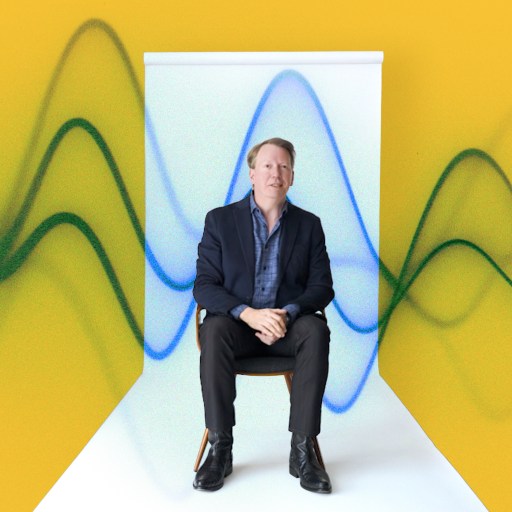
A man in a suit sits on a chair against a yellow background with abstract blue and green wave patterns behind him.
1hr 26mins
“I like to say that physics is hard because physics is easy, by which I mean we actually think about physics as students.”
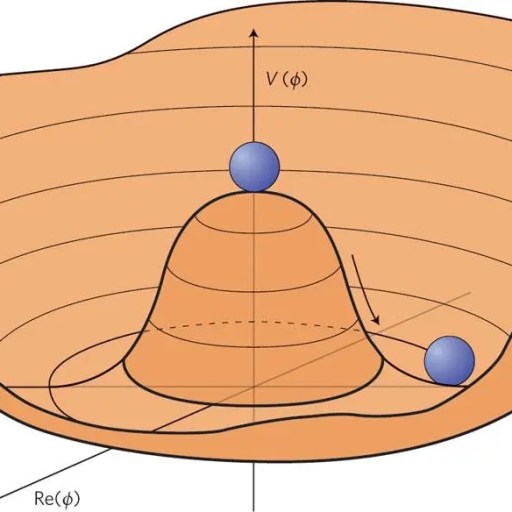
A 3D potential energy surface with a central peak and surrounding valley illustrates zero-point energy power; two blue spheres indicate positions atop the peak and within the valley. Axes labeled Re(φ), Im(φ), and V(φ).
Throughout history, "free energy" has been a scammer's game, such as perpetual motion. But with zero-point energy, is it actually possible?
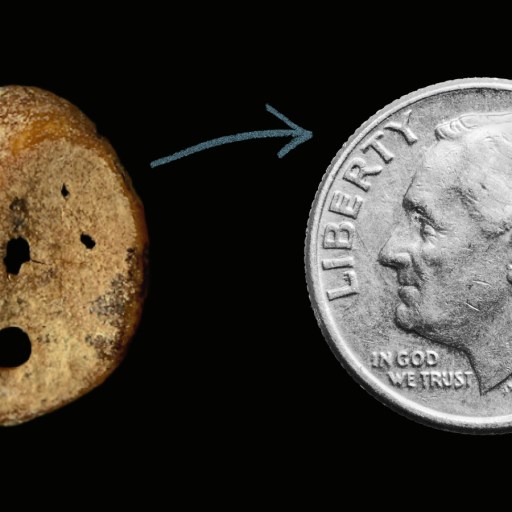
A small, irregular brown stone with holes—possibly linked to Denisovans—is shown next to a 1990 U.S. dime for size comparison.
In “The Secret History of Denisovans,” Silvana Condemi and François Savatier trace the story of our mysterious hominin ancestor.
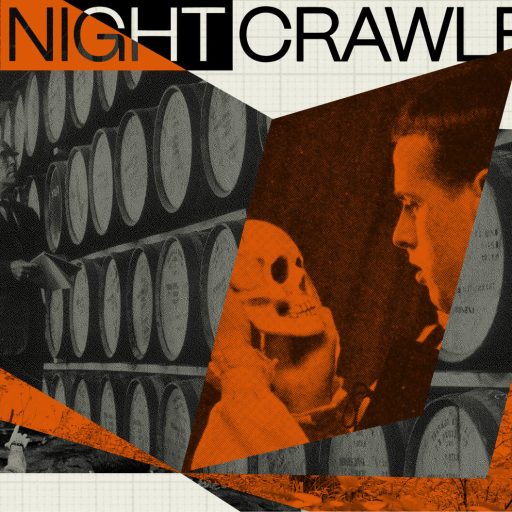
A storytelling collage featuring a man inspecting barrels, a person holding a skull mask, another man observing the mask, and the text "THE NIGHTCRAWLER" in bold black and orange.
Welcome to The Nightcrawler — a weekly newsletter from Eric Markowitz covering tech, innovation, and long-term thinking.
Silhouette of a person overlaid with a sunset sky and a full moon, with tall grass in the foreground.
9mins
“You can be aware of sadness from a point of view that is not merely sad, and you can be aware of fear from a point of view that's not merely afraid.”
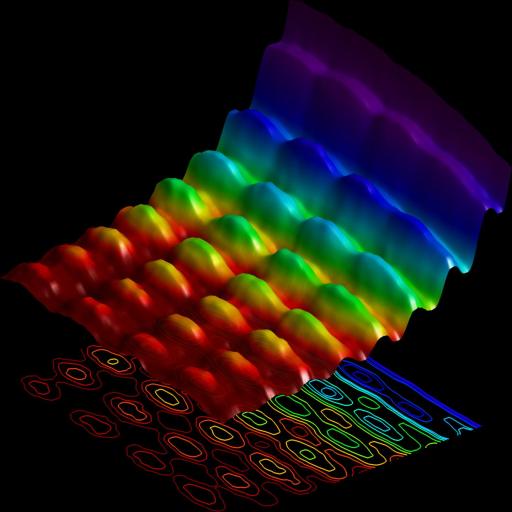
There could be variables beyond the ones we've identified and know how to measure. But they can't get rid of quantum weirdness.
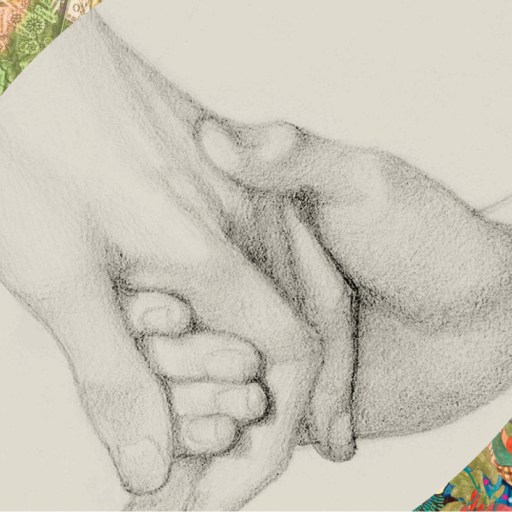
Pencil drawing of an adult hand holding a child's hand, surrounded by colorful, illustrated borders with various faces and map elements.
Sikh American scholar and historian Simran Jeet Singh on helping kids imagine — and create — a more empathetic world.
John Templeton Foundation
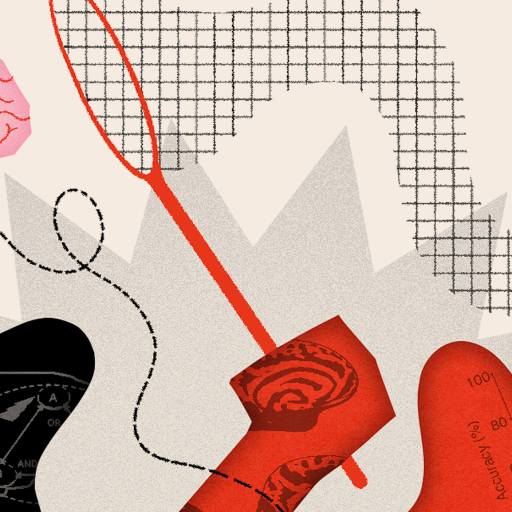
Abstract collage with a butterfly, brain sketches, graphs, and scientific diagrams overlaid with red, black, and beige shapes and textured patterns.
A conversation with neuroscientist Erik Hoel about the future of consciousness research.
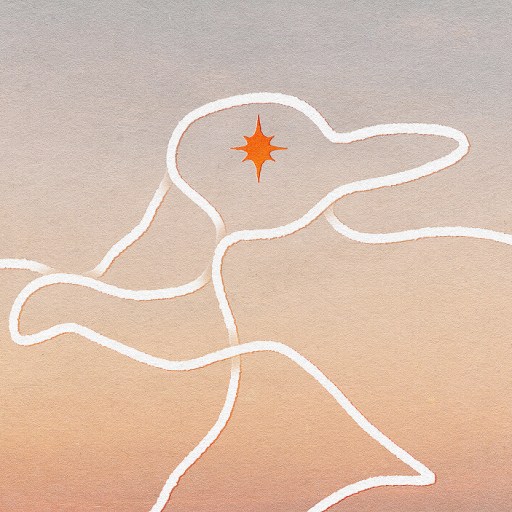
A minimalist drawing of a duck outlined in white against a gradient background, with an orange star shape marking the eye, invites you to question your perception.
“Who ya gonna believe: me or your own eyes?” Until you can assess your perception, the answer should be neither.
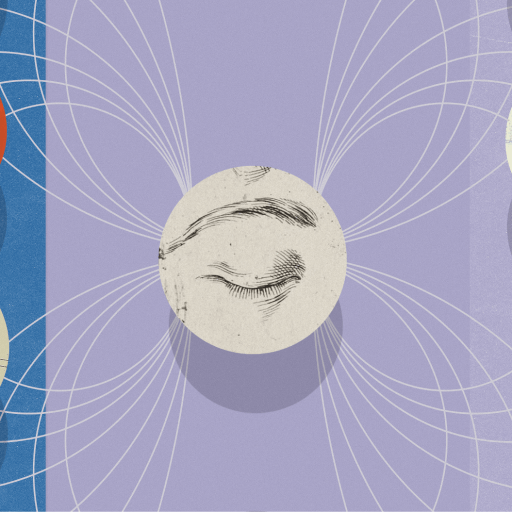
Abstract illustration featuring five circles with various designs connected by curved white lines on a purple and blue background, symbolizing science or interconnected concepts.
A conversation with Annaka Harris on shared perception, experimental science, and why our intuition about consciousness is wrong.
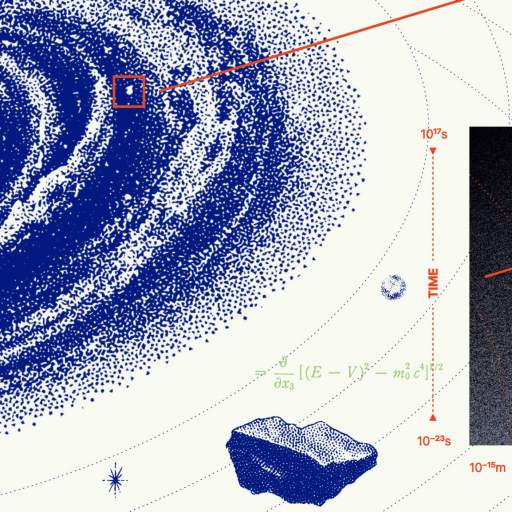
Diagram showing a galaxy, zooming in to highlight a small area labeled "Human Experience" within a grid mapping time and space on logarithmic scales.
Science helps us imagine the vastness of space and time — and our small but meaningful place within it.