





Test Special Issue

Game Change

Do elite athletes really make elite employees?

Sports, we tend to assume, offer a sharp-edged reflection of business life in microcosm — leadership under pressure, the winning mentality, valuable lessons drawn from loss. It’s all there. Just kick back with a beer and a pizza and watch your pathway to workplace success unfold on game day. Well, it turns out that the connections are often far more nuanced than we might have presumed. Do elite athletes really make elite employees? What’s the connection between Swedish pragmatics in soccer and a thriving startup culture? Have you factored in the difference between “wicked” and “kind” environments (and what does that even mean)? We investigate all of these pivotal tangents, and much more, in this Big Think special collection of essays, interviews, and curated book excerpts. Forget everything you’ve been told about the synergies between sports and business. It’s time to rewrite the rules.
Blue background with the words "Game Change" in white, surrounded by strategic game symbols and graphs in the background.
Presented by
John Templeton Foundation
heavy neutral atom
If it weren't for the intricate rules of quantum physics, we wouldn't have formed neutral atoms "only" ~380,000 years after the Big Bang.
A failure of a paper airplane constructed from crumpled paper.
“It is natural to want to avoid failure. But when we avoid failure, we also avoid discovery and accomplishment."
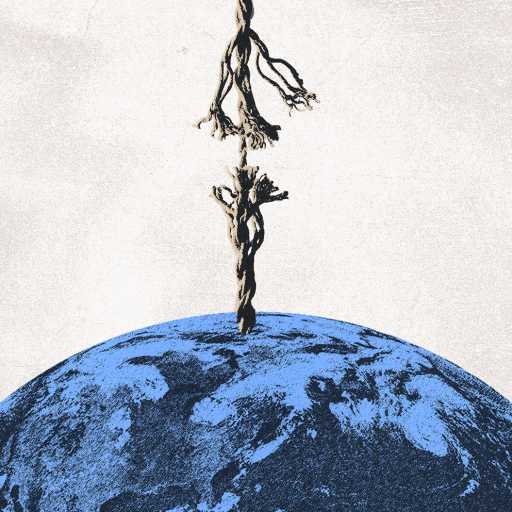
A frayed rope descends from above and is attached to the top of a blue Earth, symbolizing fragility or tension.
A paradigm should be elastic enough to accommodate new data and broad enough to explain the world. For Rupert Sheldrake, ours does neither.
Large crowd of well-dressed people socializing at an indoor event; "Substack" is projected on a wall above.
The platform is a digital Royal Society for today's greatest minds — and it could play an essential role in shaping the next civilization.
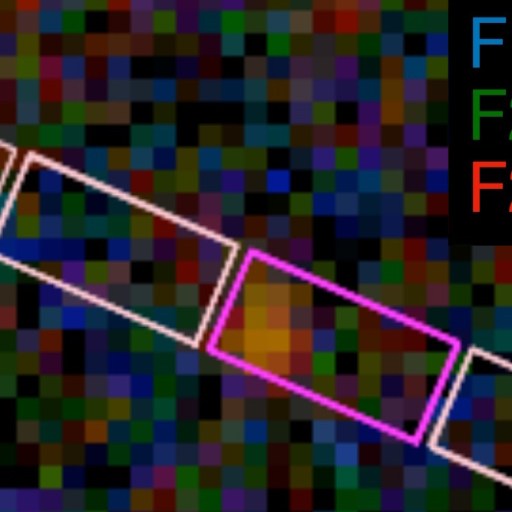
A colored pixelated grid with rectangular outlines; a legend in the top right labels blue as F115W, green as F200W, and red as F277W—capturing data from the JWST to record a distant galaxy.
Coming from just 280 million years after the Big Bang, or 98% of cosmic history ago, this new, massive galaxy is a puzzle, but not a mirage.
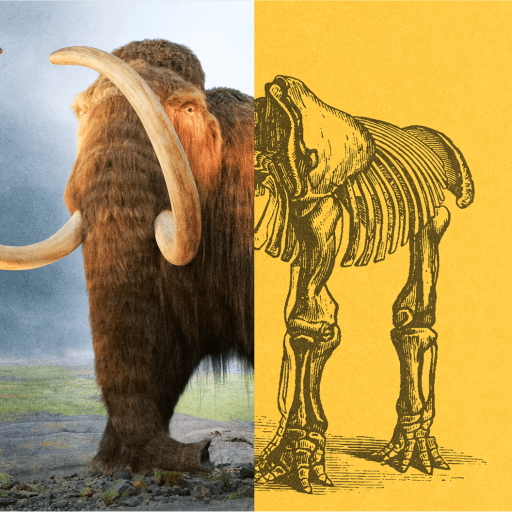
Image split in half: left side shows a woolly mammoth in a natural landscape; right side shows an illustrated mammoth skeleton on a yellow background.
Dreams of resurrecting lost species didn’t start in Hollywood or Silicon Valley.
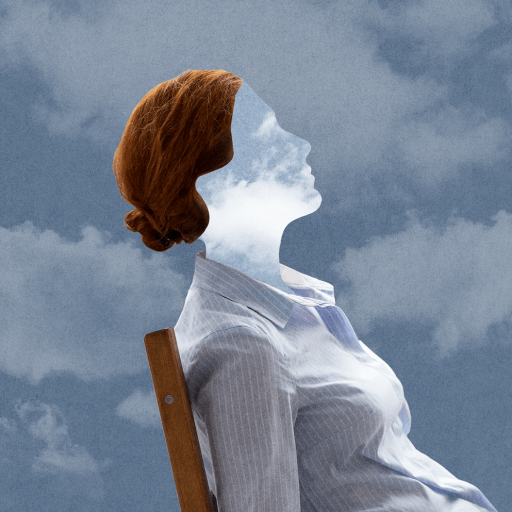
A woman with a transparent, cloud-filled silhouette sits in profile on a wooden chair against a cloudy sky background, capturing the quiet wonders of daydreaming.
Neuroscience supports the notion that mindfulness and meditation should become essential assets in our workspaces.
entanglement across space
If all massive objects emit Hawking radiation, not just black holes alone, then everything is unstable, even the Universe. Can that be true?
A man with short dark hair, glasses, and a goatee, wearing a blue jacket over a light shirt, stands in front of a beige, textured background.
The "Doctor Strange" director says mystery shifts your worldview — "not in a metaphorical sense, but in a deeply experiential one."
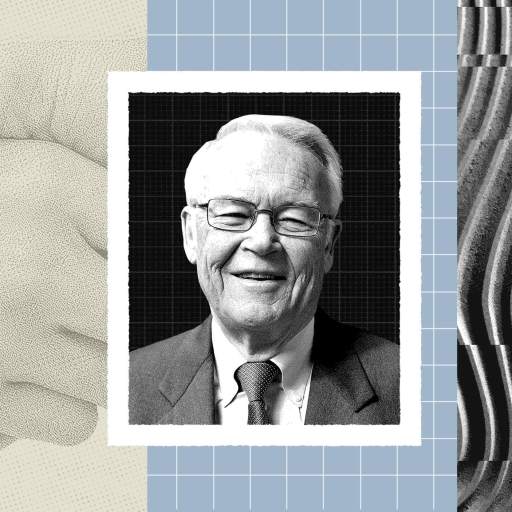
Black and white portrait of David Aaker, an older man in a suit and glasses, centered between artistic backgrounds of a handshake, grid, and abstract curved lines.
The marketing guru outlines the current state of brand-building — and highlights four outstanding opportunities for the immediate future.
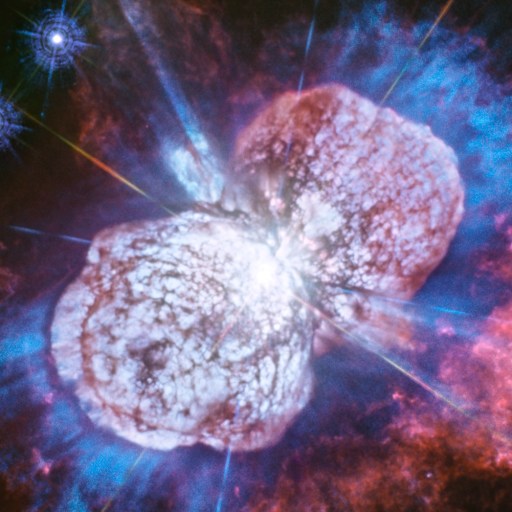
Two bright, irregularly shaped nebula clouds with blue, purple, and pink gases dominate the dark space background, where dazzling stars twinkle—reminding us that in space, appearances can deceive.
There's an old saying that "what you see is what you get." When it comes to the Universe, however, there's often more to the full story.
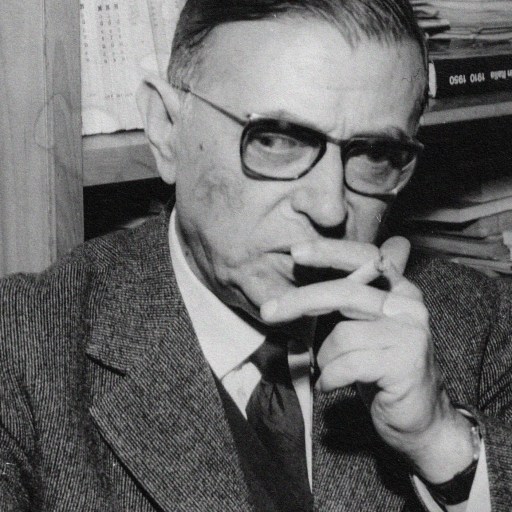
An old black and white photo showing a man smoking a cigarette.
If you feel like you're missing out on something bigger, you might be feeling saṃvega.
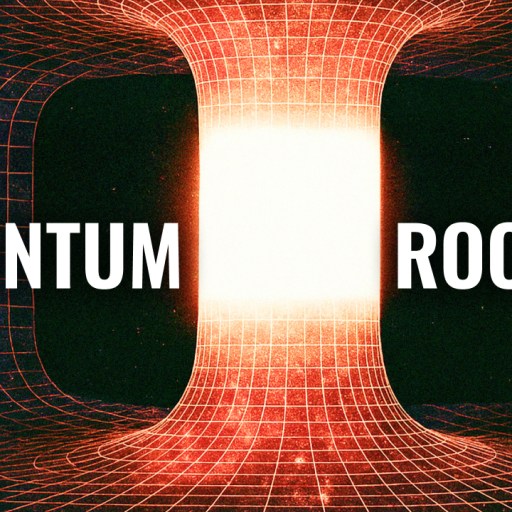
A glowing white tunnel with a red grid pattern is shown, with the words "QUANTUM ROOTS" in bold text and a BT logo in the lower left corner.
1hr 19mins
“We don't have enough knowledge to precisely calculate what is going to happen, and so we assign probabilities to it, which reflects our ignorance of the situation.”
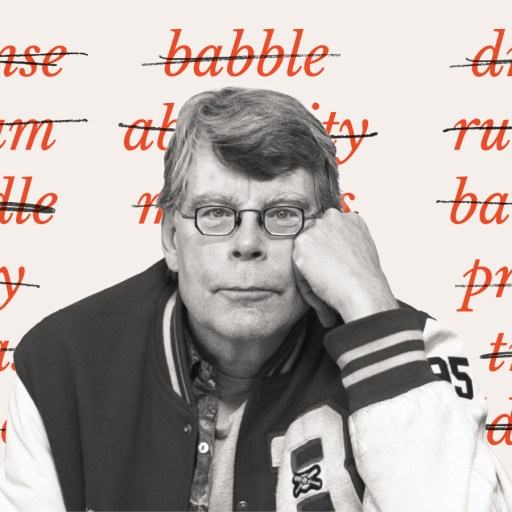
A man sits with his head resting on his hand, surrounded by crossed-out words like "nonsense," "babble," and "rubbish" in red text.
A thesaurus isn’t for finding fancy words; it’s a resource to help you keep your rhythm.
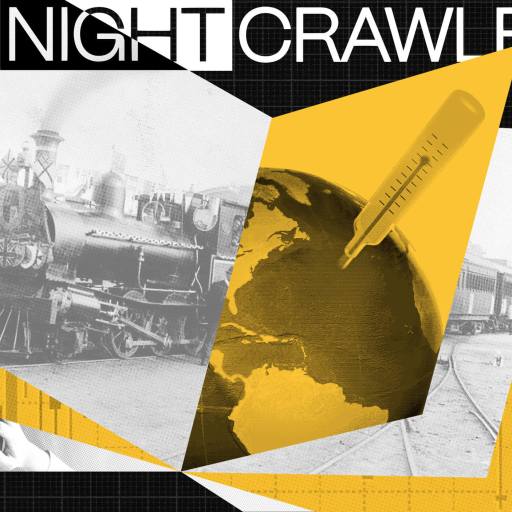
Collage with a steam locomotive, a globe with a syringe, and train tracks sparks curiosity, overlaid by the text "The Nightcrawler" on a dark grid background.
Welcome to The Nightcrawler — a weekly newsletter from Eric Markowitz covering tech, innovation, and long-term thinking.
A silhouette of a person seated with blurred movement in the background and large text reading "KNOW YOUR EXIT" on the right.
18mins
“The fear of panic has killed more people than most disasters themselves.”
mars
The surface and atmosphere is colored by ferric oxides. Beneath a very thin layer, mere millimeters deep in places, it's not red anymore.
Silhouette of a person with a backpack looking at a phone or book, filled with a galaxy pattern, on a light, swirling background.
In the tears and laughter of a single life, you find the grief and joy of humanity.
A digital illustration of a brain, composed of circuit-like lines, appears against a black background filled with white dots resembling stars.
"Nobody expects a computer simulation of a hurricane to generate real wind and real rain," writes neuroscientist Anil Seth.