







Test Special Issue

Game Change

Do elite athletes really make elite employees?

Sports, we tend to assume, offer a sharp-edged reflection of business life in microcosm — leadership under pressure, the winning mentality, valuable lessons drawn from loss. It’s all there. Just kick back with a beer and a pizza and watch your pathway to workplace success unfold on game day. Well, it turns out that the connections are often far more nuanced than we might have presumed. Do elite athletes really make elite employees? What’s the connection between Swedish pragmatics in soccer and a thriving startup culture? Have you factored in the difference between “wicked” and “kind” environments (and what does that even mean)? We investigate all of these pivotal tangents, and much more, in this Big Think special collection of essays, interviews, and curated book excerpts. Forget everything you’ve been told about the synergies between sports and business. It’s time to rewrite the rules.

Blue background with the words "Game Change" in white, surrounded by strategic game symbols and graphs in the background.
Presented by
John Templeton Foundation
Researchers are using powerful algorithms to analyze narrative accounts written by people using psychedelic drugs. They hope to better understand how the drugs work on the mind. 
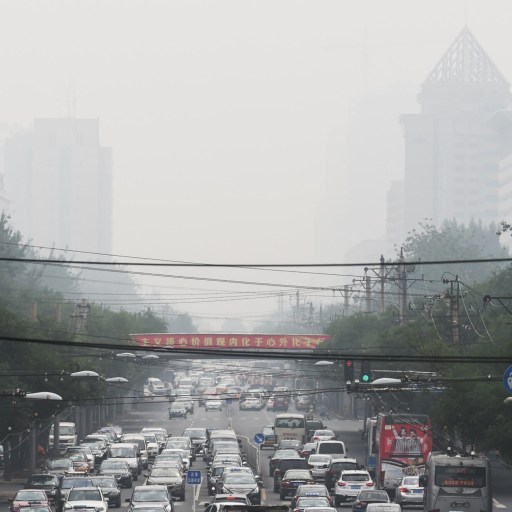
Researchers develop an AI system that will predict how bad pollution will be in China's cities 72 hours in advance.
A woman doing therapy on her laptop
The use of AI within mental health services could be a game-changer.
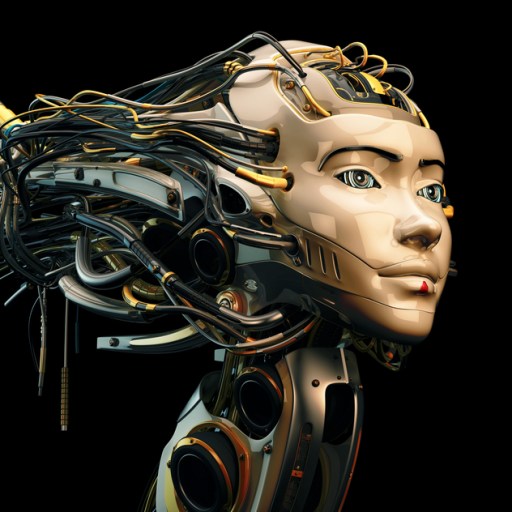
Within the field of artificial intelligence, a new Japanese initiative promises to further blur the line between human and machine. A group of AI researchers at Japan’s National Institute of Informatics just […]
The people behind the "Half-Life" series and the Steam platform are now looking at biometrics — specifically, the acidity of a player's perspiration — to help create more vivid game experiences.
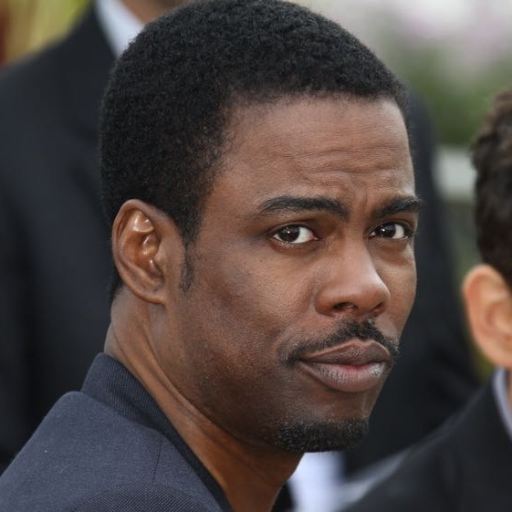
An interview Chris Rock recently gave to New York Magazine demonstrates the comedian's prescient views on race during a very reactionary time in the media landscape.
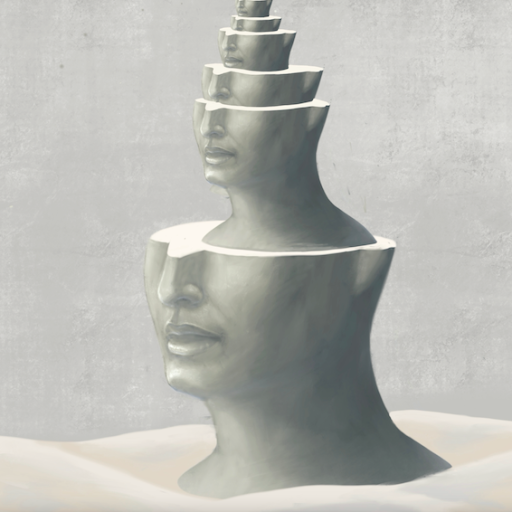
It's possible to measure philosophy's progress in two ways. But is that really the point?
It’s much safer to be able to be a child and to be a mom.
Aerial view of two large rectangular data center buildings with surrounding infrastructure and parking, situated in a rural area.
The AI energy debate focuses on supply — but smarter planning could deliver more computing from the same megawatts.
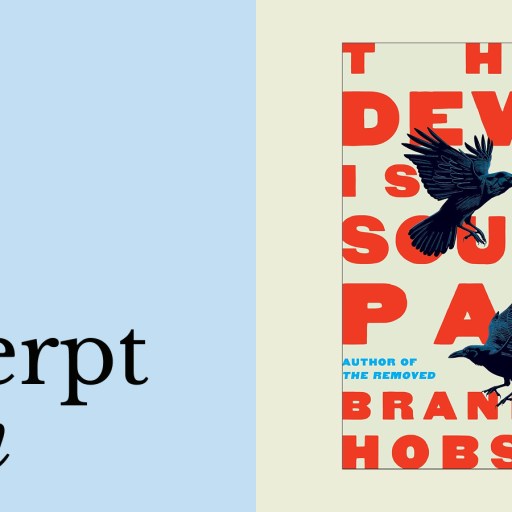
Book cover of The Devil Is a Southpaw by Brandon Hobson featuring two black birds; text on left reads "an excerpt from" on a light blue background.
A preview of the latest novel by the National Book Award finalist Brandon Hobson.
solar system model
Scientists are notoriously resistant to new ideas. Are they falling prey to groupthink? Or are our current theories just that successful?
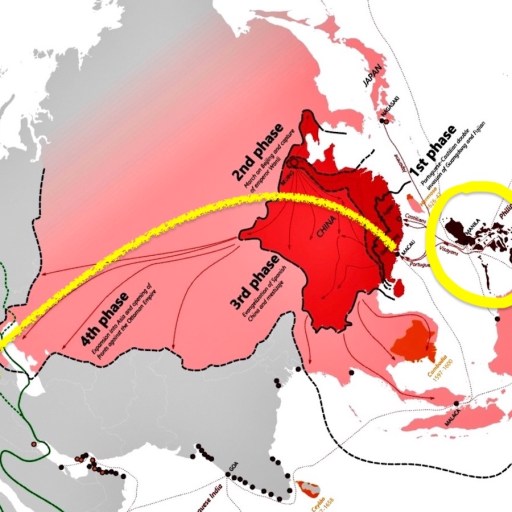
A color-coded map of Asia shows four migration phases from China, with arrows pointing toward Papua New Guinea and the Andaman Islands, both circled in yellow.
The plan — conquer China and push west to attack the Ottomans — was peak imperial hubris, as the Spanish themselves eventually realized.
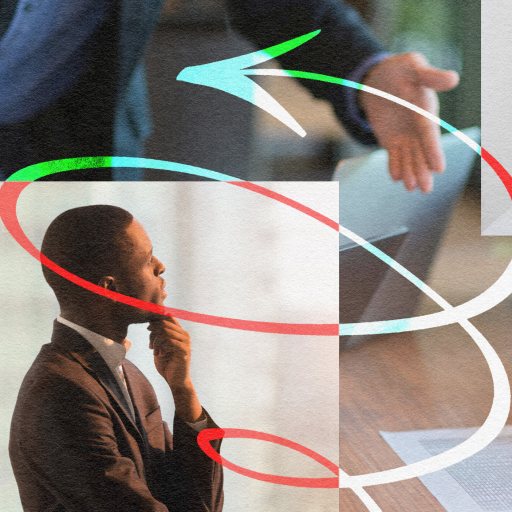
A collage featuring Andrew Markell thinking at a desk, a close-up of a handshake, and a person standing alone, overlaid with swirling red and green arrows.
Andrew Markell — philosopher, martial artist, and CEO advisor — argues that true endurance comes from desire, ritual, and learning to evolve through chaos.
ufo lights liverpool
Physicist Daniel Whiteson challenges the notion that all intelligent species would eventually uncover the same laws of nature. Do you agree?
A woman in a white dress sits on a chair by a window, reading a book in a softly lit room with a piano nearby, embodying the quiet charm of why read old books.
Reading classic books can teach you as much about the present as the past.
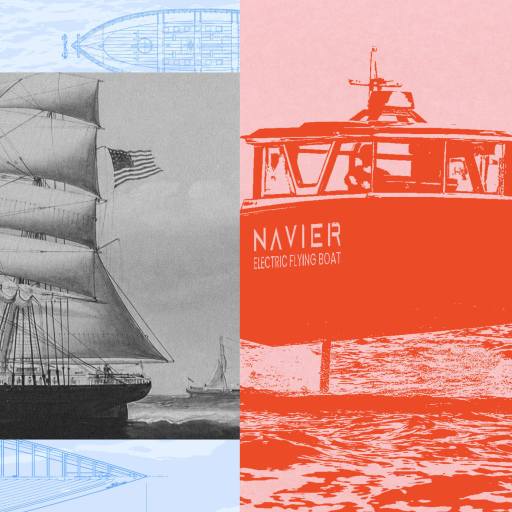
Split image showing a vintage sailing ship with an American flag on the left and a modern electric boat labeled "Navier" on the right, both on the water with blueprint sketches in the background.
Rivals may try to outnumber us with fleets of cheap vessels. Our path is to out-innovate them.
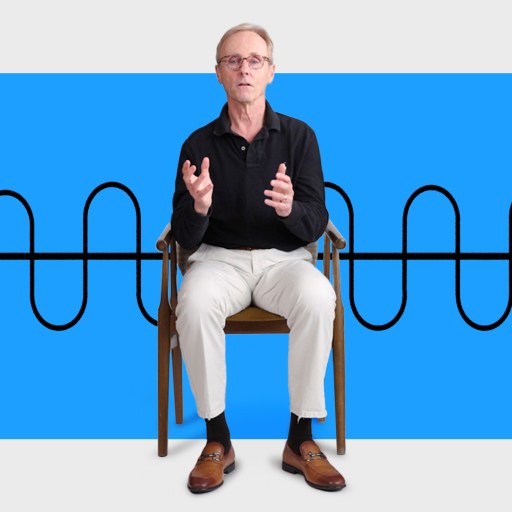
An older man sits on a chair gesturing with his hands in front of a blue background featuring a black sinusoidal waveform and an arrow.
Why the most enduring organizations stop chasing trends and start designing systems that prioritize people over processes.
A middle-aged man with glasses and a beard, resembling Jimmy Wales, poses in front of a light-colored background featuring Wikipedia's globe logo and various language characters.
Wales shares with Big Think his thoughts about the future of media, the promise of AI, and our need to build a culture on trust.