






Test Special Issue

Game Change

Do elite athletes really make elite employees?

Sports, we tend to assume, offer a sharp-edged reflection of business life in microcosm — leadership under pressure, the winning mentality, valuable lessons drawn from loss. It’s all there. Just kick back with a beer and a pizza and watch your pathway to workplace success unfold on game day. Well, it turns out that the connections are often far more nuanced than we might have presumed. Do elite athletes really make elite employees? What’s the connection between Swedish pragmatics in soccer and a thriving startup culture? Have you factored in the difference between “wicked” and “kind” environments (and what does that even mean)? We investigate all of these pivotal tangents, and much more, in this Big Think special collection of essays, interviews, and curated book excerpts. Forget everything you’ve been told about the synergies between sports and business. It’s time to rewrite the rules.
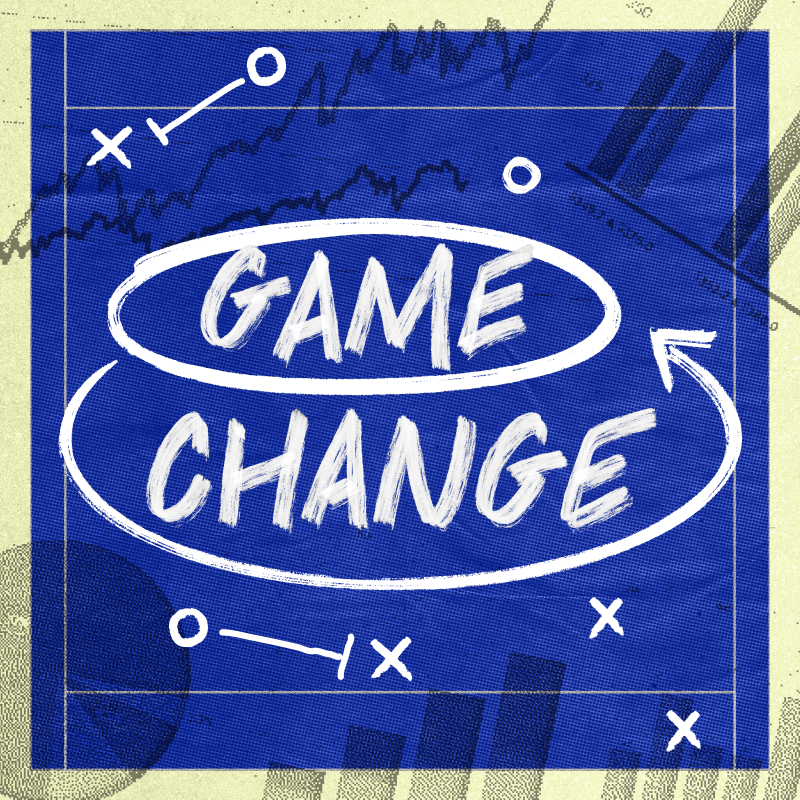
Blue background with the words "Game Change" in white, surrounded by strategic game symbols and graphs in the background.
Presented by
John Templeton Foundation
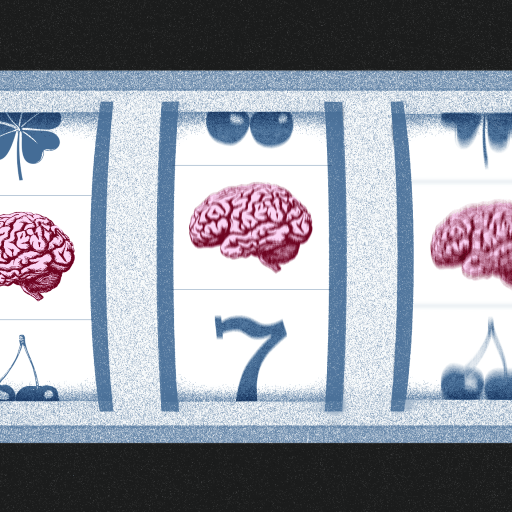
A slot machine displays various icons, including brains, cherries, a clover, and the number seven—an homage to Anne-Laure Le Cunff’s work—with two brains and a seven visible in the central row.
Stuck on a hamster wheel of mindless social media scrolling? Neuroscientist Anne-Laure Le Cunff explains how to consciously redirect your reward system.
A man slumps in a chair, eyes closed, as small monkey-like creatures torment him with various objects in a room near a fireplace and table.
In "The Headache," Tom Zeller Jr. explores one of the human brain's most enduring, and painful, enigmas.
Halftone close-ups of a person's smiling mouth and eyes, with a small silhouette of people climbing a hill—evoking the adventurous spirit of Brad Feld—set against abstract backgrounds.
A conversation with the legendary VC on his latest book, his work at Techstars, and why “give first” is more than a motto — it’s a mindset.
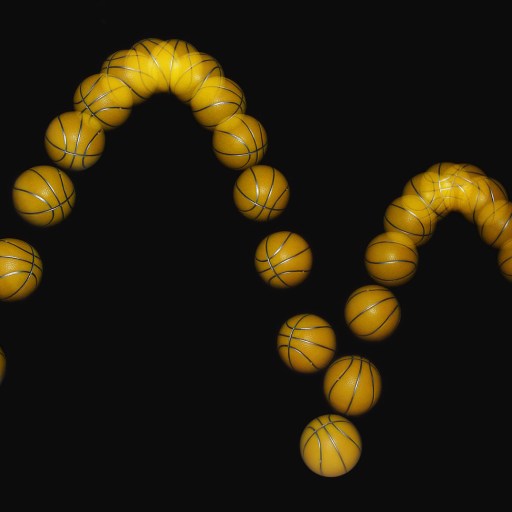
bounce ball
Whether you run the clock forward or backward, most of us expect the laws of physics to be the same. A 2012 experiment showed otherwise.
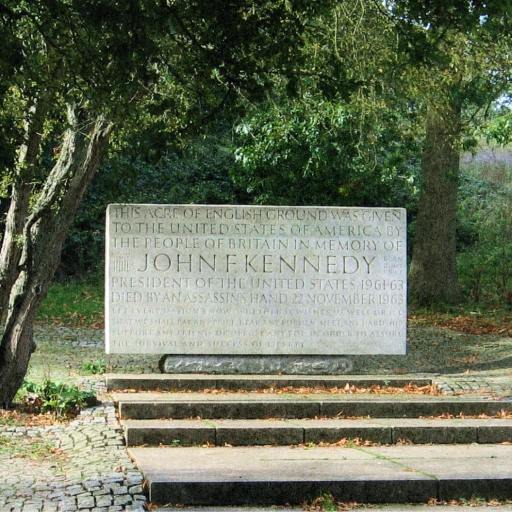
Granite memorial stone for John F. Kennedy, surrounded by trees and located on a paved area with steps. Inscription dedicates the site from the people of Britain to the United States.
The JFK Memorial at Runnymede provides a link between America's and Britain's founding documents.
Book cover of "After the Idea: What It Really Takes to Create and Scale a Startup" by Julia Austin, beside text reading "an excerpt from" on an orange background, highlighting insights on building stellar hires.
If you want the best shot at long-term success, it can pay to supplement hot-shots with seasoned industry veterans.
every square degree
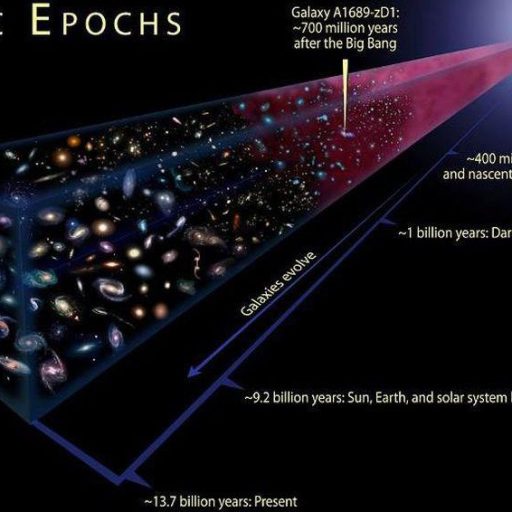
When the Hubble Space Telescope first launched in 1990, there was so much we didn't know. Here's how far we've come.
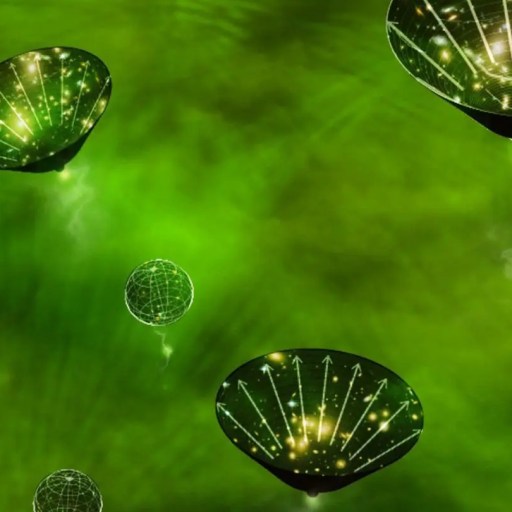
Green abstract image with floating, glowing funnel-shaped objects and spherical wireframe shapes evokes a black hole universe, all set against a misty green background with ethereal light streaks.
Once you cross a black hole's event horizon, there's no going back. But inside, could creating a singularity give birth to a new Universe?
Union soldiers in blue uniforms escort prisoners past a burning building with a large hole in the wall while smoke and flames rise, during the American Civil War.
Before becoming America’s most infamous assassin, John Wilkes Booth was a magnetic actor who was beloved by audiences and courted by critics.
A collage featuring an open book, a light source, and images of the moon captures post-AI wisdom, with the title "The Night Crawler" at the top.
Welcome to The Nightcrawler — a weekly newsletter from Eric Markowitz covering tech, innovation, and long-term thinking.
F = ma fall up
From high school through the professional ranks, physicists still take incredible lessons away from Newton's second law.
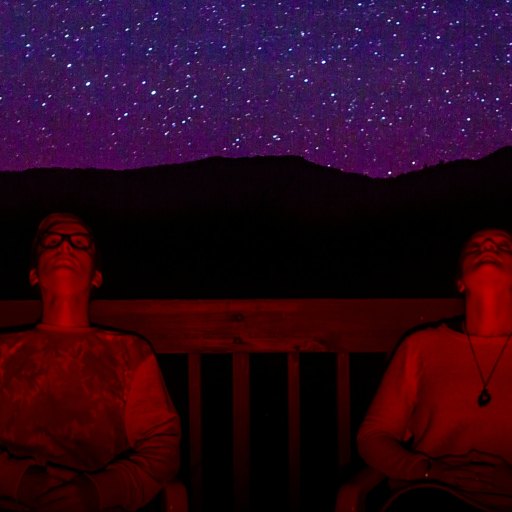
Two people sit on a deck at night, illuminated by red light, looking up at a star-filled sky with mountains silhouetted in the background.
It’s something to wrestle and live with, says behavioral scientist Arthur Brooks.
A painting depicts compassionate leaders, as a person in a blue robe carries an injured figure on a brown horse, set against swirling blue and yellow brushstrokes in the background.
The benefits of compassion in the workplace are manifold — but leaders should retain an intentional focus on mental, emotional, and physical balance.
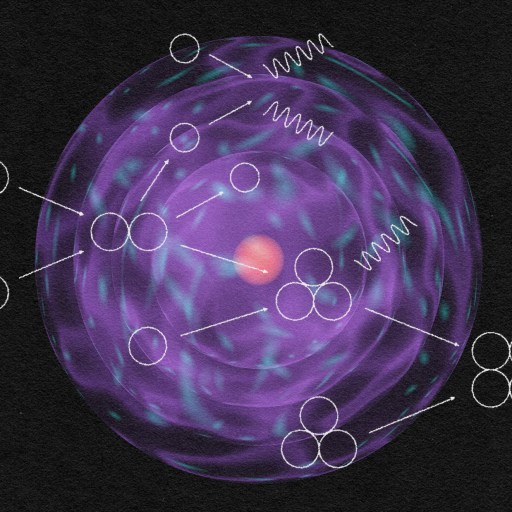
A colorful, abstract scientific illustration with a central glowing sphere, circular patterns, and various lines and circles suggesting quantum connections or uncertainty data points, on a dark background with blue accents.
No matter what it is that we discover about reality, the fact that reality itself can be understood remains the most amazing fact of all.
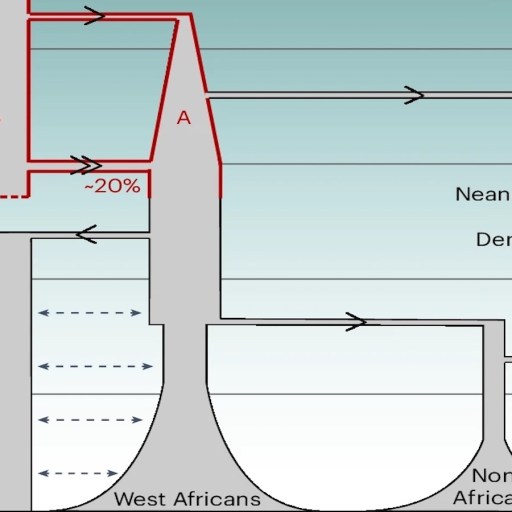
Diagram showing human evolutionary relationships and gene flow among Khoisan, West Africans, Non-Africans, Neanderthals, and Denisovans over time, with percentages of genetic admixture indicated.
After more than a million years of separation, two branches of humanity reunited around 300,000 years ago, suggests new research.
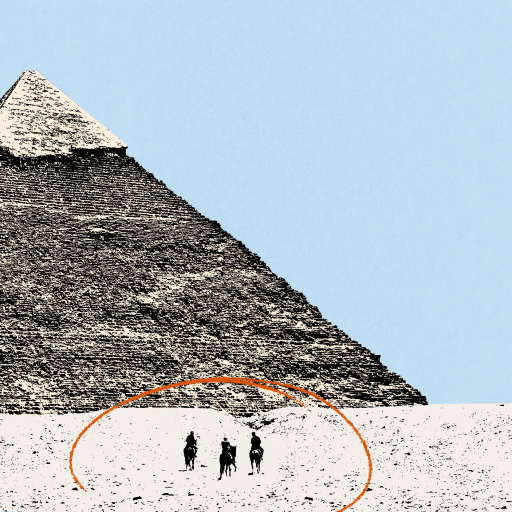
A pyramid stands in a desert with three people in front, evoking experimental archeology; a modern McDonald's restaurant is visible in the background on the right.
In "Dinner with King Tut," Sam Kean examines how a burgeoning field is recreating ancient tasks to uncover historical truths.
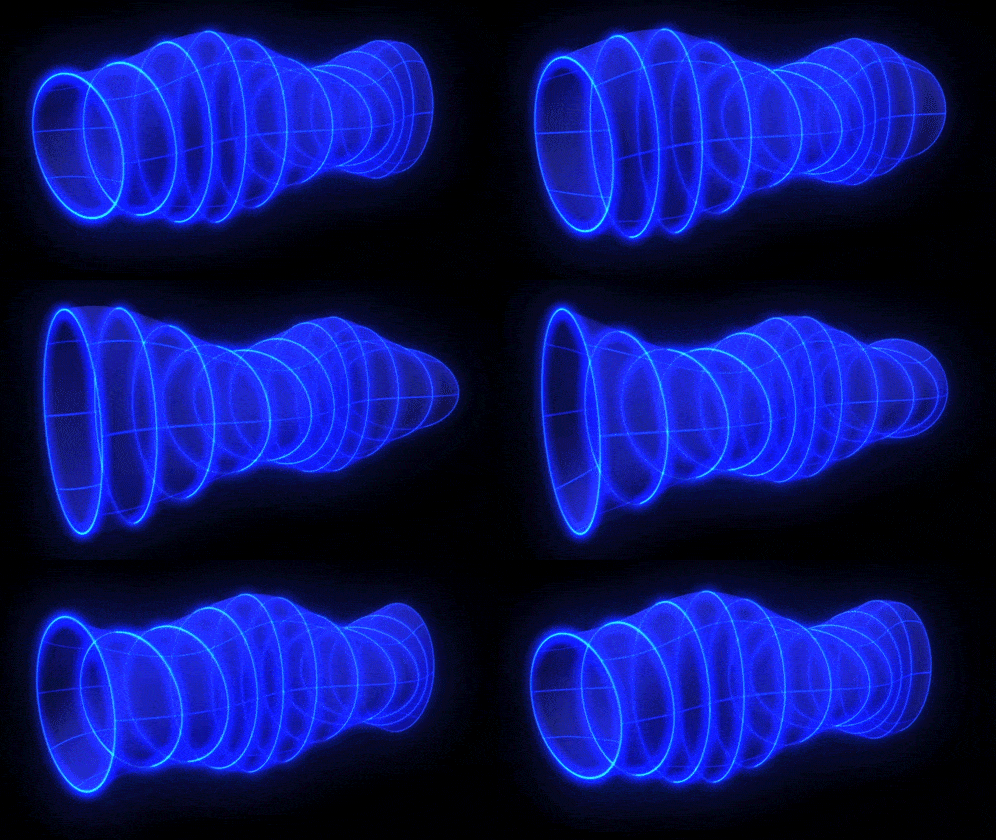
gravitational wave effects on spacetime
With over 300 high-significance gravitational wave detections, we now have a huge unsolved puzzle. Will we invest in finding the solution?
Book cover for "The Generalist Advantage" by Mansoor Soomro, PhD, next to text reading "an excerpt from," all set against a light green background—highlighting the value of generalist superpowers.
From Apple to Airbnb to OpenAI the generalist mindset has been an invaluable source of advantage — and we can all learn from these successes.
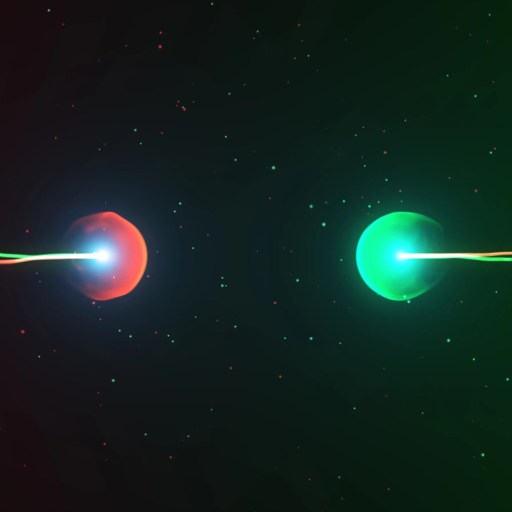
Two glowing spheres, one red and one green, face each other in space with a wavy line of light—like a particle physics collision—connecting them against a speckled dark background reminiscent of the last collider’s discoveries.
Will we build a successor collider to the LHC? Someday, we'll reach the true limit of what experiments can probe. But that won't be the end.