



Test Special Issue

Game Change

Do elite athletes really make elite employees?

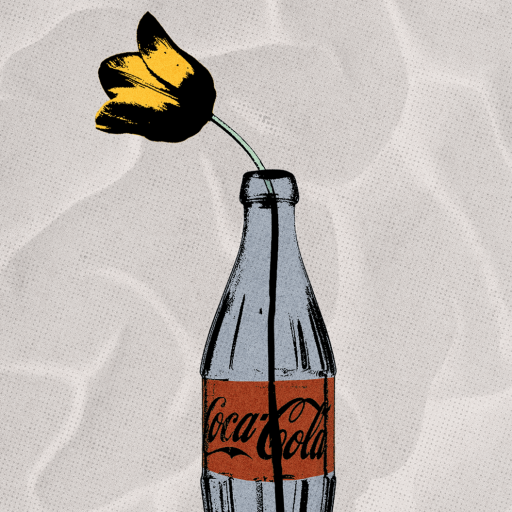
Sports, we tend to assume, offer a sharp-edged reflection of business life in microcosm — leadership under pressure, the winning mentality, valuable lessons drawn from loss. It’s all there. Just kick back with a beer and a pizza and watch your pathway to workplace success unfold on game day. Well, it turns out that the connections are often far more nuanced than we might have presumed. Do elite athletes really make elite employees? What’s the connection between Swedish pragmatics in soccer and a thriving startup culture? Have you factored in the difference between “wicked” and “kind” environments (and what does that even mean)? We investigate all of these pivotal tangents, and much more, in this Big Think special collection of essays, interviews, and curated book excerpts. Forget everything you’ve been told about the synergies between sports and business. It’s time to rewrite the rules.
Blue background with the words "Game Change" in white, surrounded by strategic game symbols and graphs in the background.
Presented by
John Templeton Foundation
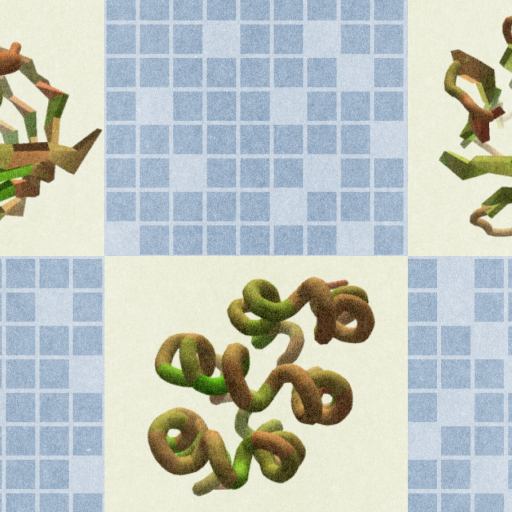
Three different 3D protein structures are displayed on a light grid-patterned background, each occupying a separate quadrant in the image.
By inviting players to tackle real scientific problems, games can offer a hand in solving medicine’s toughest challenges.
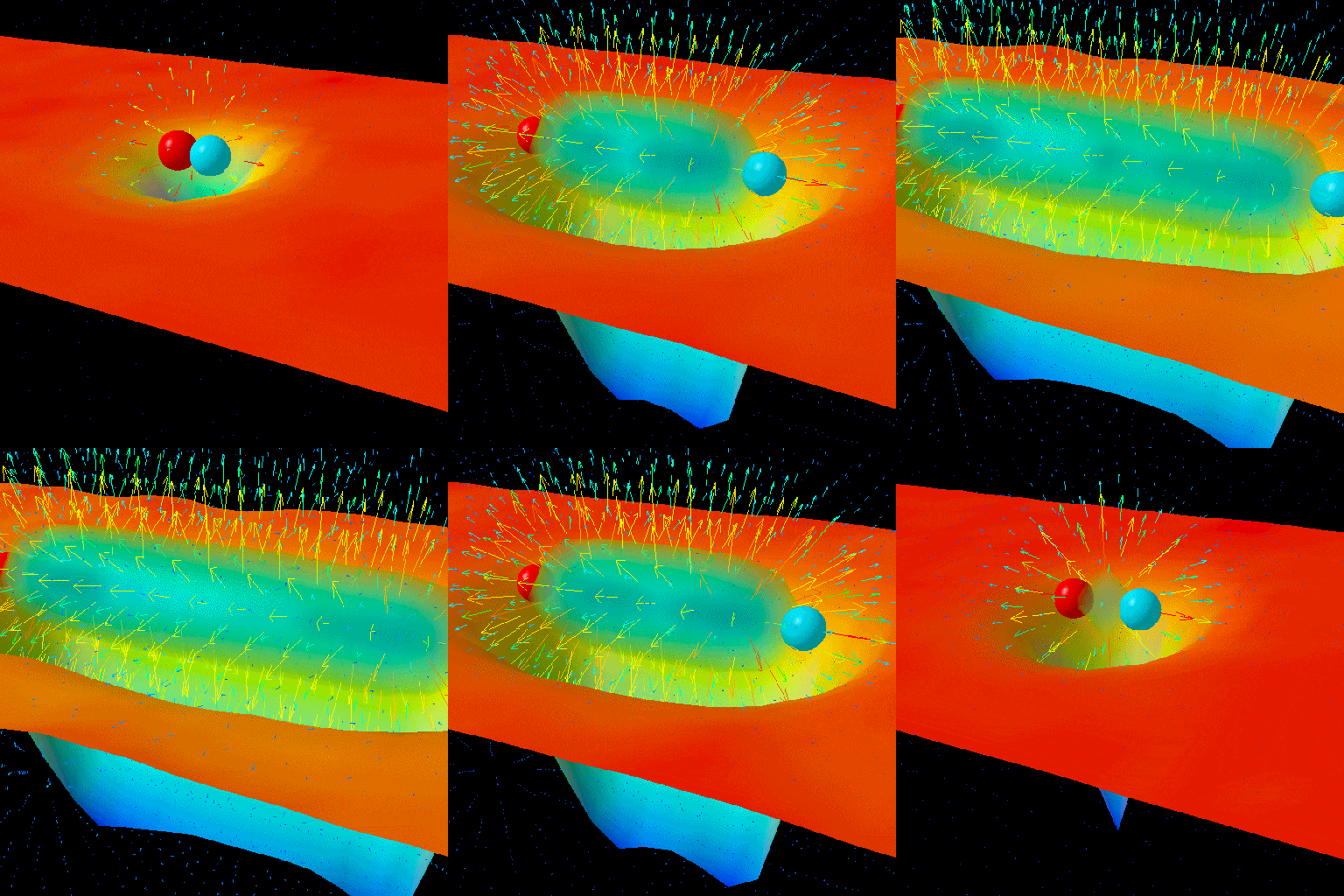
A visual simulation of two objects orbiting and merging, distorting a red-orange grid representing spacetime—illustrating gravitational waves once thought to be the worst prediction in science.
The measured value of the cosmological constant is 120 orders of magnitude smaller than what's predicted. How can this paradox be resolved?
Split-screen image: left side has the words "an excerpt from" on a pale blue background; right side shows the book cover of "After the Spike," which explores how population and environment shape our future, by Dean Spears and Michael Geruso.
In "After the Spike," Dean Spears and Michael Geruso show why policy, rather than high population density, has the most significant impact on the environment.
Collage featuring photos of wildlife, ancient stone carvings, and a camel, with the text "THE NIGHTCRAWLER" at the top on a gray grid background—an homage to Sean B. Carroll’s explorations of nature and history.
Welcome to The Nightcrawler — a weekly newsletter from Eric Markowitz covering tech, innovation, and long-term thinking.
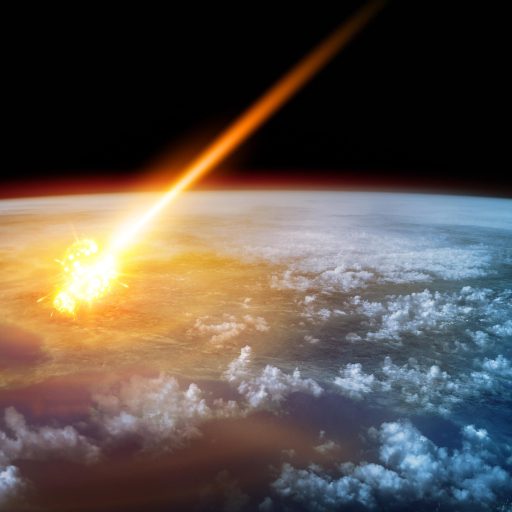
comet collide with earth
65 million years ago, a massive asteroid struck Earth. Not only did Jupiter not stop it, but it most likely caused the impact itself.
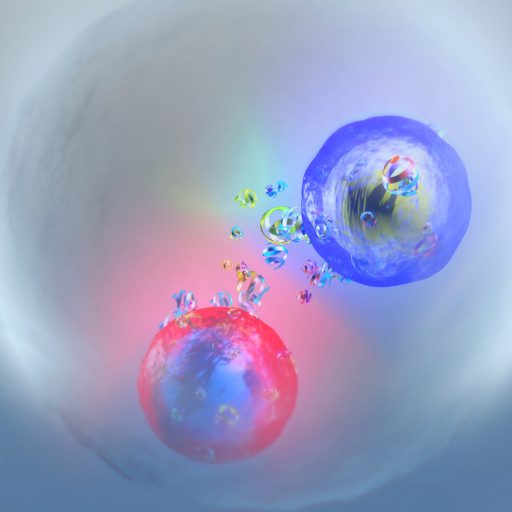
Two colorful, semi-transparent spheres, one blue and one red, represent a possible top quark bound state, toponium, surrounded by small particles inside a cloudy, circular enclosure.
Can the top quark, the shortest-lived particle of all, bind with anything else? Yes it can! New results at the LHC demonstrate toponium exists.
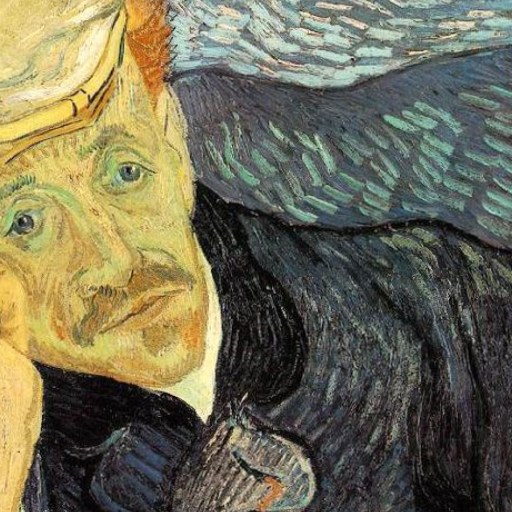
Painting of a man with red hair and a mustache wearing a white cap, resting his head on his hand, set against a swirling blue background with touches of van Gogh yellow paint highlighting the scene.
In "Human History on Drugs," Sam Kelly explores what the research can tell us about one of history’s most brilliant — and troubled — artists.
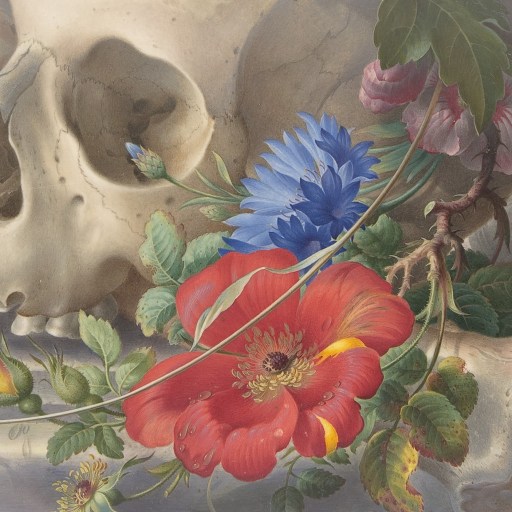
A human skull and bone rest beside colorful flowers and sheet music in a detailed memento mori still life composition.
A mid-flight scare reveals how embracing death can bring purpose and meaning to everyday life.
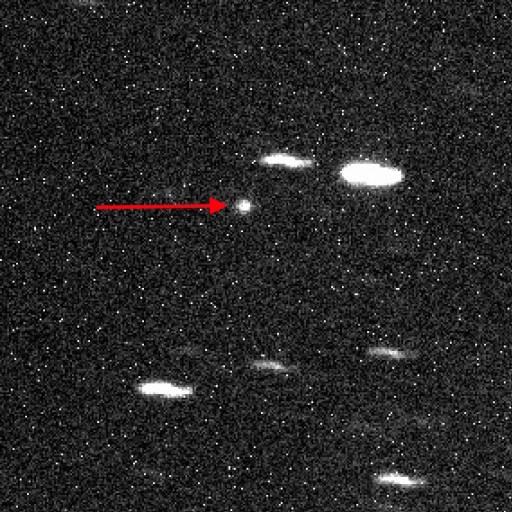
Black and white image of a star field with one bright object in the center, indicated by a red arrow, believed to be the third interstellar object detected passing through our solar system.
First 'Oumuamua, then Borisov, and now ATLAS have shown us that interstellar interlopers are real. Here's what the newest one teaches us.
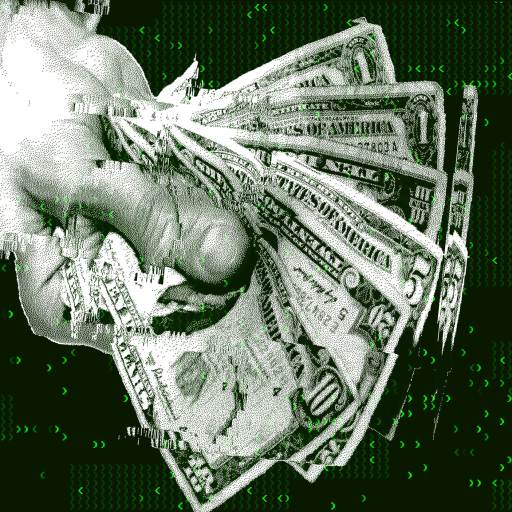
A hand holding several U.S. dollar bills, digitally altered with a green color scheme and glitch effects, represents the future of income in a rapidly changing digital economy.
Agentic AI pioneer Chetan Dube considers ways that everyone can be lifted by the tide of AI, not just those with the capital to leverage it.
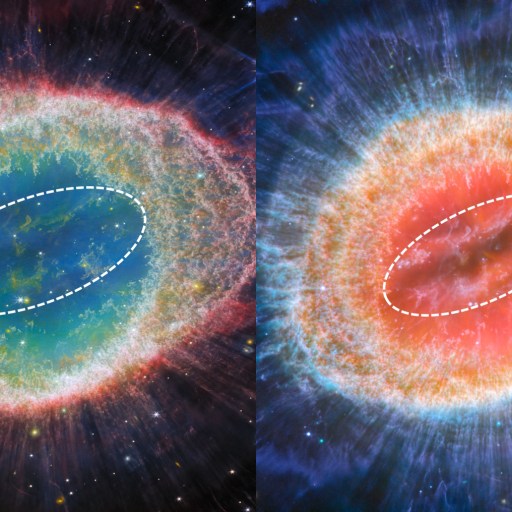
Side-by-side images of the Ring Nebula show its structure in different colors, each with a white dotted oval highlighting the central region.
Our nearby Ring Nebula, with JWST's eyes, shows evidence for planet formation. Will the Sun eventually destroy, and then replace, the Earth?
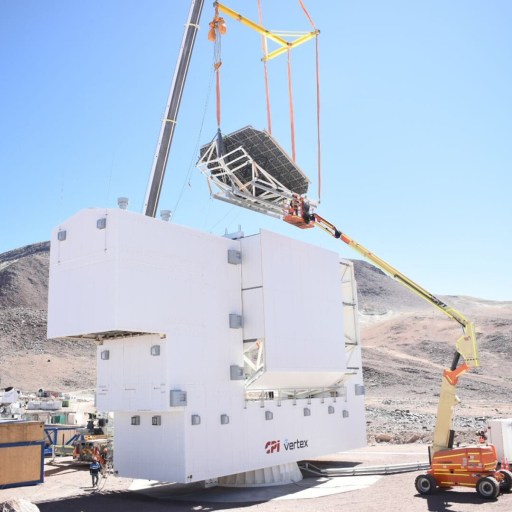
A crane lifts a large metal structure onto a white building at a construction site in a mountainous, arid area under clear blue sky.
The relic signal that first proved the Big Bang has been known and analyzed for 60 years. Join us at the frontiers of modern cosmology!
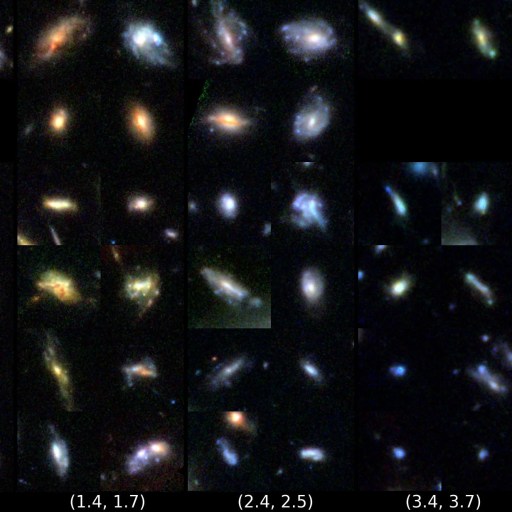
The CMB has long been considered the Big Bang's "smoking gun" evidence. But after what JWST saw, might it come from early galaxies instead?
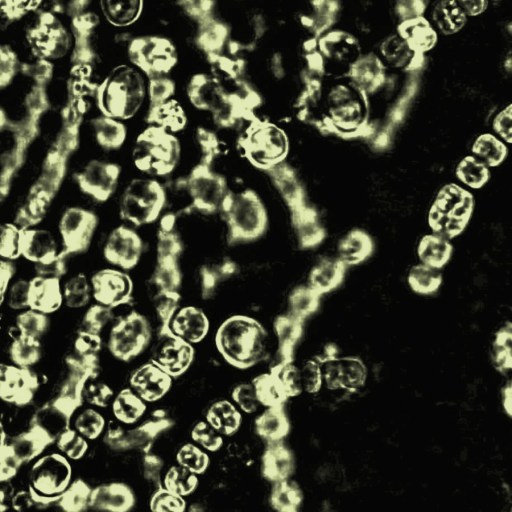
Microscopic view of green cyanobacteria chains forming spiral and linear patterns against a dark background, highlighting their role within the microbiome.
In "The Microbiome Master Key," Brett and Jessica Finlay argue that we need to stop waging war on all germs and start working with the microbes that make us who we are.
Collage featuring a snail, two hands gripping a baton symbolizing succession, and a boat, overlaid on a pink and black grid pattern with the text "THE NIGHTCRAWLER" at the top.
Welcome to The Nightcrawler — a weekly newsletter from Eric Markowitz covering tech, innovation, and long-term thinking.
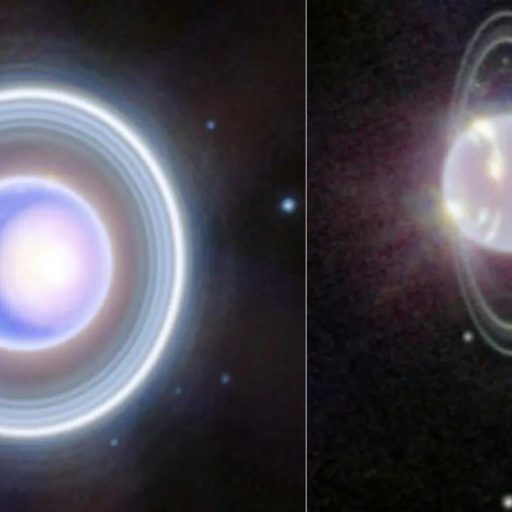
Images show the planet Uranus. The left image highlights its bright rings, while the right image, captured by the James Webb Space Telescope, depicts surprising details of glowing rings and a cloudy atmosphere. Discover more wonders in our solar system with these stunning visuals.
Once every 12 years, Earth, Jupiter, Uranus, and Neptune all line up, opening a window for a joint mission. Our next chance arrives in 2034.
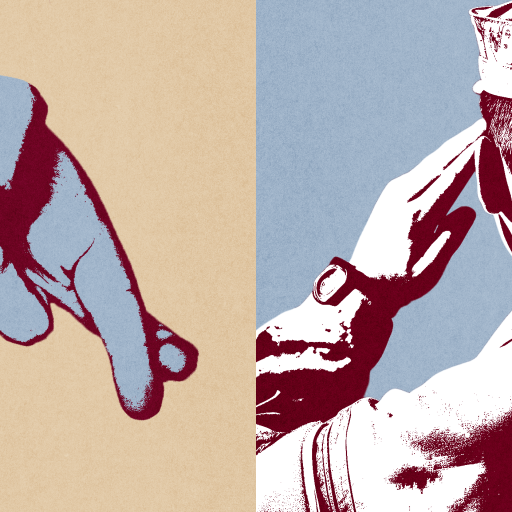
A split image shows a hand with fingers crossed on the left, evoking the idea of a noble lie, and a person in military uniform saluting on the right.
This is my country and this is what we stand for. At least for now.
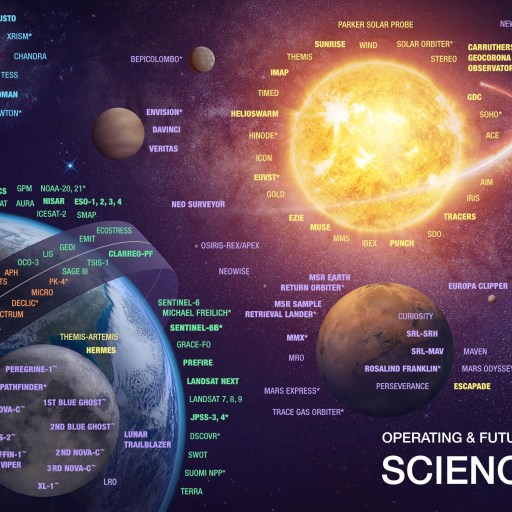
Infographic displays spacecraft names and missions around the Sun, planets, and moons, illustrating the current and planned science fleet exploring the Solar System.
Over the first half of 2025, the US has cut science as never before. This disaster for American science may be a gift to the rest of the world.
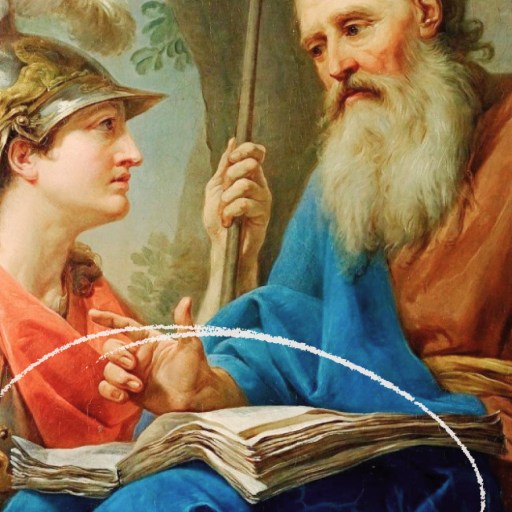
A young armored man consults an elderly bearded man holding a key and a staff, both seated and looking at an open book, as if exploring how stories teach philosophy.
Want to study philosophy but skip some of its heavier tomes? These five novels are a great place to start. (Existential despair guaranteed.)