





Test Special Issue

Game Change

Do elite athletes really make elite employees?

Sports, we tend to assume, offer a sharp-edged reflection of business life in microcosm — leadership under pressure, the winning mentality, valuable lessons drawn from loss. It’s all there. Just kick back with a beer and a pizza and watch your pathway to workplace success unfold on game day. Well, it turns out that the connections are often far more nuanced than we might have presumed. Do elite athletes really make elite employees? What’s the connection between Swedish pragmatics in soccer and a thriving startup culture? Have you factored in the difference between “wicked” and “kind” environments (and what does that even mean)? We investigate all of these pivotal tangents, and much more, in this Big Think special collection of essays, interviews, and curated book excerpts. Forget everything you’ve been told about the synergies between sports and business. It’s time to rewrite the rules.

Blue background with the words "Game Change" in white, surrounded by strategic game symbols and graphs in the background.
Presented by
John Templeton Foundation
An artist's rendering of the nasa jupiter spacecraft.
The Juno spacecraft, orbiting and imaging Jupiter since 2016, is still succeeding. Without a further extension, the mission now faces death.
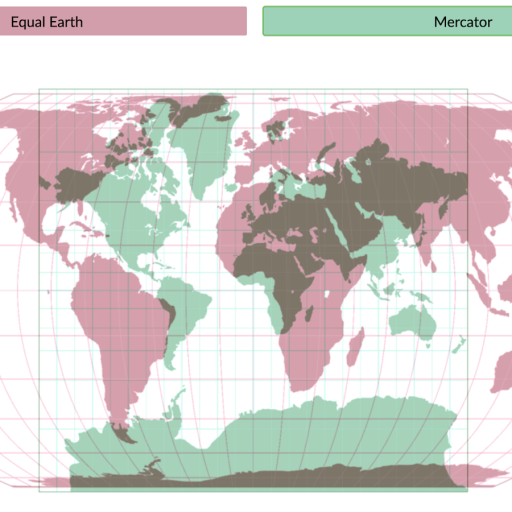
A world map comparing landmass outlines of the Equal Earth projection in pink and Mercator projection in green, with grid lines overlaid.
The African Union argues that the Mercator projection distorts the continent, both in size and global attention.
An open book, symbolizing dangerous books, burns with flames rising from its pages against a black background, its fiery reflection shimmering on a glossy surface.
In "That Book Is Dangerous," author Adam Szetela examines the rise of the “Sensitivity Era” in publishing and how outrage campaigns try to control what books authors can write and readers can read.
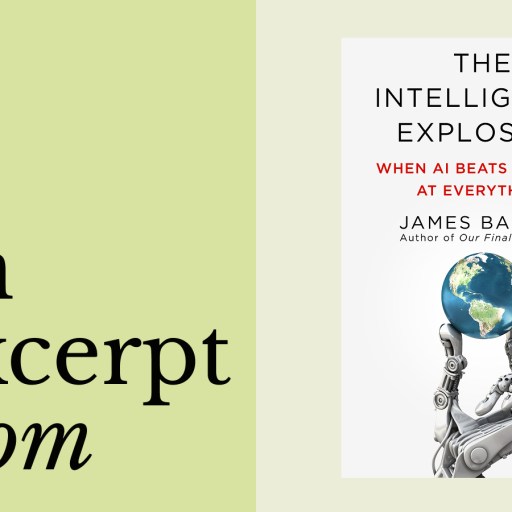
Book cover of "The Intelligence Explosion: When AI Beats Humans at Everything" by James Barrat, featuring a robot hand holding a globe, with the text "an excerpt from" reflecting the rise of AI.
The predictions of evolutionary theorists and current advances in “multimodal AI” offer strong clues to the future of employment.
An artist's impression of a cluster of stars.
With several seemingly incompatible observations, cosmology faces many puzzles. Could early, supermassive stars be the unified solution?
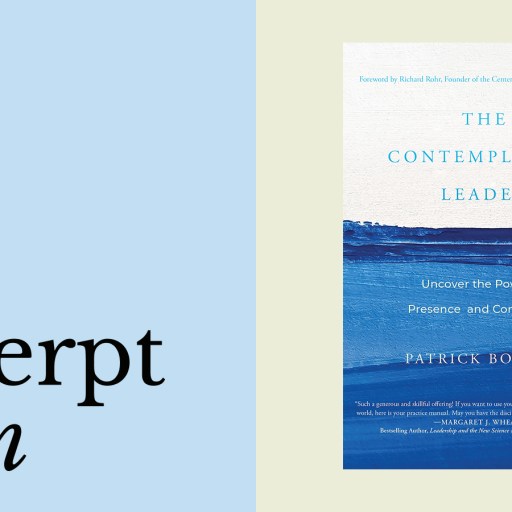
The image shows the book cover for "The Contemplative Leader" by Patrick Boland, with his name prominently displayed next to the text “an excerpt from” on a split pale blue and beige background.
A contemplative approach to leading others can help us accept the tension of not always knowing how things will play out.
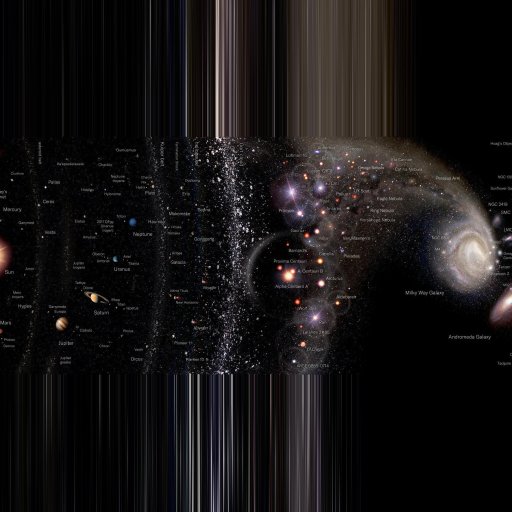
As we look to larger cosmic scales, we get a broader view of the expansive cosmic forest, eventually revealing the grandest views of all.
a red and orange abstract background with lines.
Explanations for the cosmic speed limit often conflate mass with inertia.
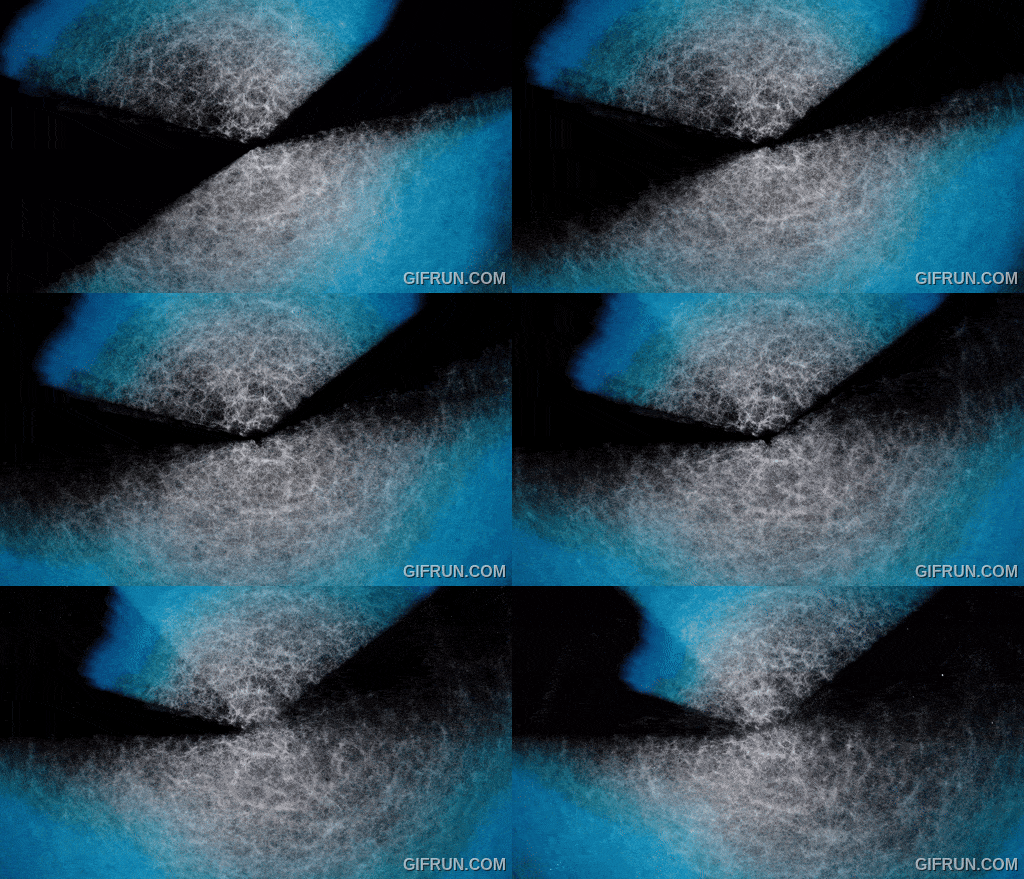
An abstract animation of white, textured patterns symmetrically forming on a blue and black background evokes the mysterious dance of dark energy, subtly hinting at its weakening presence as if guided by the precision of DESI.
The Universe isn't just expanding; the expansion is accelerating. If different methods yield incompatible results, is dark energy evolving?
Book cover of "The Story of CO2 Is the Story of Everything" by Peter Brannen, featuring themes like fire and human evolution, alongside the text “an excerpt from” on a light blue background.
In this excerpt from "The Story of CO2," Peter Brennan explains how changes in the Earth's ecosystem led to fire, which in turn led our ancestors to become the "fire apes."
Collage featuring "THE NIGHTCRAWLER" text, a black-and-white photo of a person, tree roots reminiscent of smart forests, and code fragments, all overlaid on a gray grid background.
Welcome to The Nightcrawler — a weekly newsletter from Eric Markowitz covering tech, innovation, and long-term thinking.
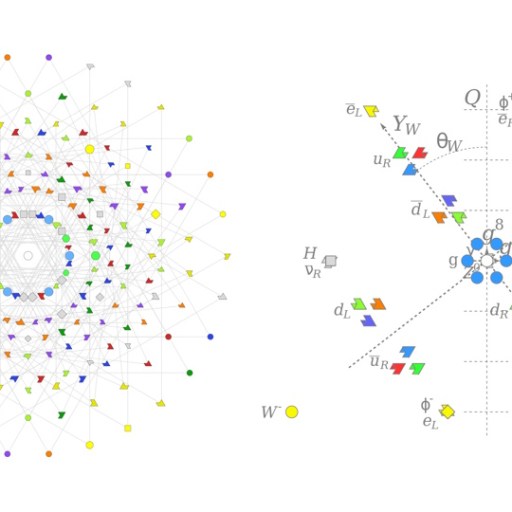
Two diagrams: the left shows a complex, circular, multicolored network; the right displays a theoretical physics diagram with labeled axes and colored particle symbols, capturing the intricate nature of physics hard concepts.
When you don't have enough clues to bring your detective story to a close, you should expect that your educated guesses will all be wrong.
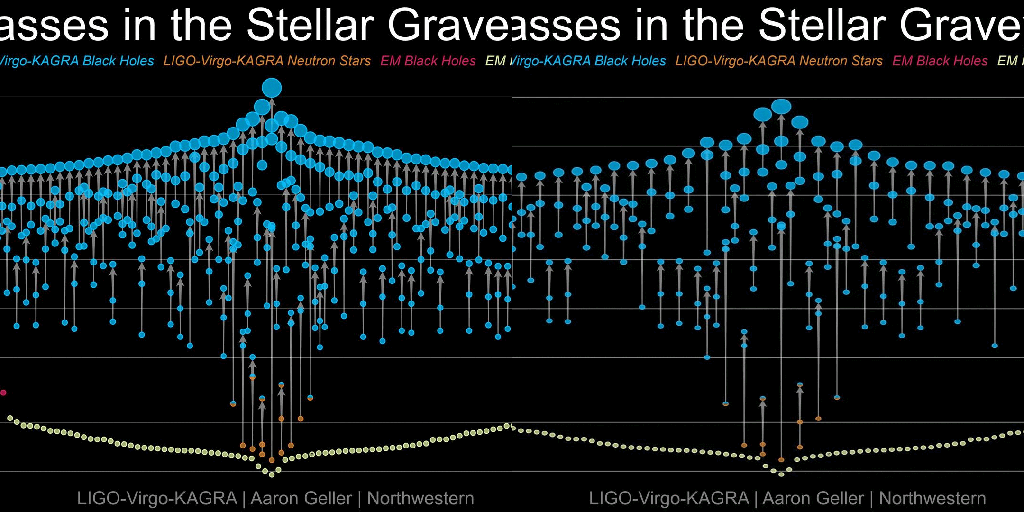
A chart titled "Masses in the Stellar Graveyard" shows the black holes and neutron stars detected by LIGO-Virgo-KAGRA, plotted on a logarithmic scale in solar masses, highlighting how LIGO triples black hole haul with each new discovery.
10 years ago, LIGO saw its first gravitational wave. After 218 detections, our view of black holes has changed forever. Can this era endure?
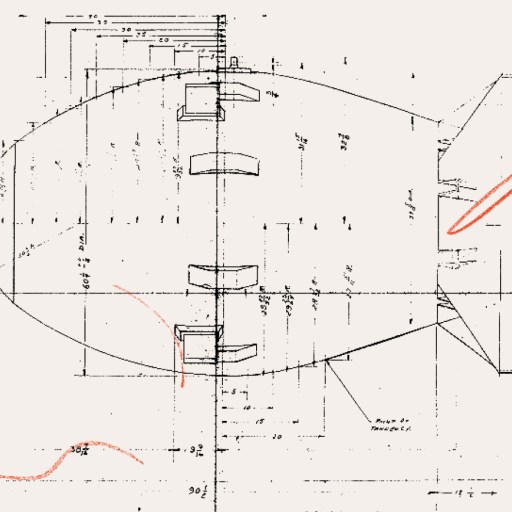
Technical drawing of an oval-shaped mechanical object with measurements and annotations, overlaid with orange scribble lines, subtly hinting at themes of colonial propaganda.
In this excerpt from "Tales of Militant Chemistry," Alice Lovejoy exposes how the need for uranium during WWII led the Allied governments to turn a blind eye to colonial exploitation.
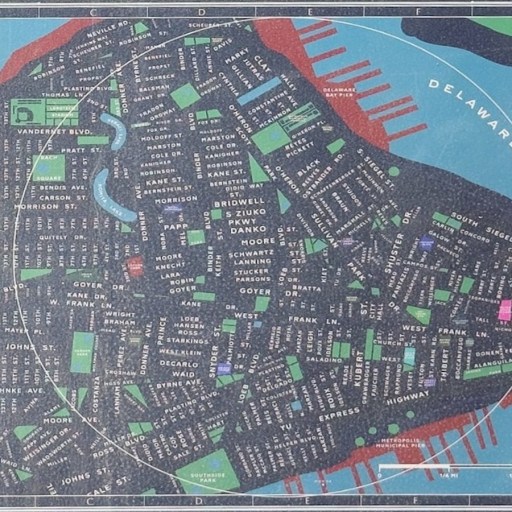
Illustrated map showing streets, parks, and landmarks of a coastal city bordered by Hob's River and Delaware Bay, with a compass rose in the lower right corner.
The latest "Superman" film sets Metropolis in the First State.
Split image: Left side has the words "an excerpt from" on a red background; right side features the book cover "There's Got to Be a Better Way" by Repenning & Kieffer, highlighting insights on dynamic work design with a butterfly illustration.
MIT Sloan’s Nelson P. Repenning and Donald C. Kieffer outline their tried-and-tested solution for stubborn workflow blockages.
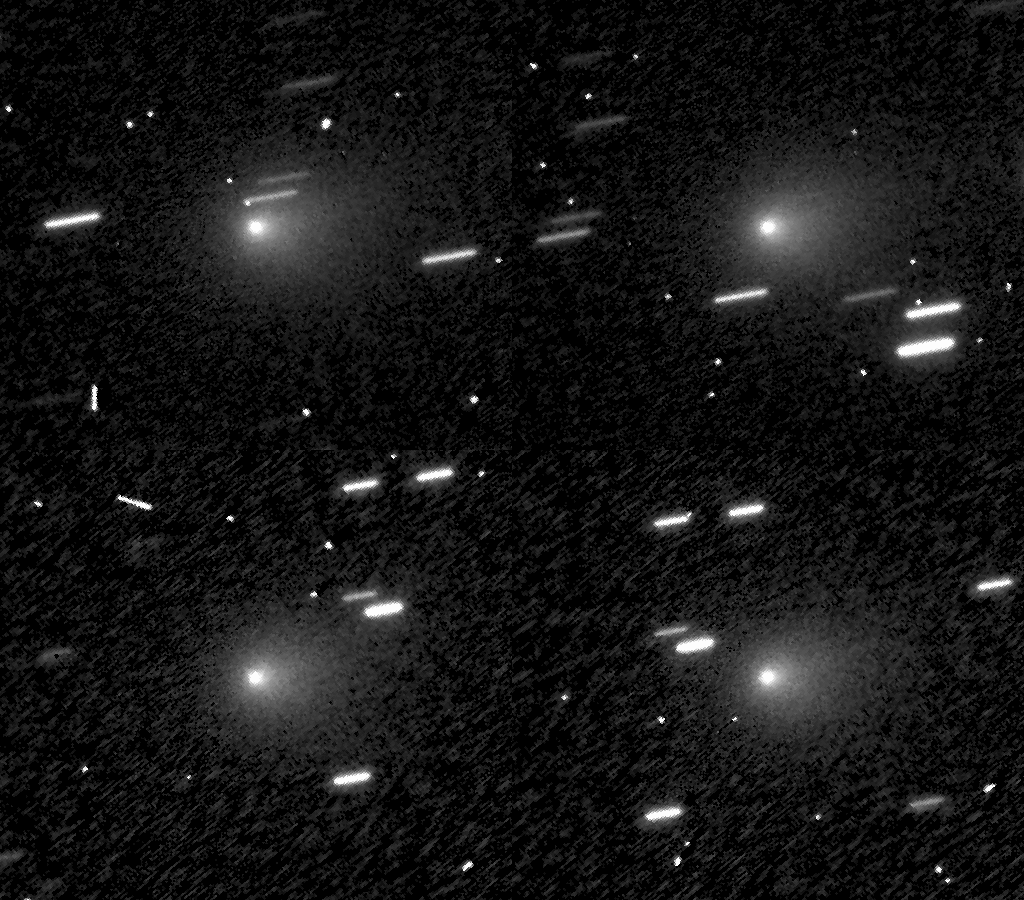
A grainy black and white image shows SPHEREx comet 3I/ATLAS gleaming at the center, surrounded by stars appearing as streaks due to long exposure.
Designed to map galaxies, the SPHEREx mission's first science result is instead about interstellar interloper 3I/ATLAS. No, it's not aliens.