
Test Special Issue

Game Change

Do elite athletes really make elite employees?

Sports, we tend to assume, offer a sharp-edged reflection of business life in microcosm — leadership under pressure, the winning mentality, valuable lessons drawn from loss. It’s all there. Just kick back with a beer and a pizza and watch your pathway to workplace success unfold on game day. Well, it turns out that the connections are often far more nuanced than we might have presumed. Do elite athletes really make elite employees? What’s the connection between Swedish pragmatics in soccer and a thriving startup culture? Have you factored in the difference between “wicked” and “kind” environments (and what does that even mean)? We investigate all of these pivotal tangents, and much more, in this Big Think special collection of essays, interviews, and curated book excerpts. Forget everything you’ve been told about the synergies between sports and business. It’s time to rewrite the rules.
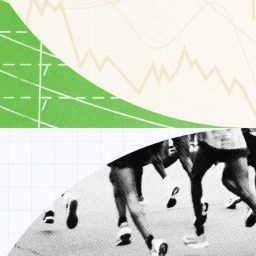
Blue background with the words "Game Change" in white, surrounded by strategic game symbols and graphs in the background.
Presented by
John Templeton Foundation
An image of a man working on a computer in a digital goldmine.
Business advisor Michael C. Fillios has developed a repeatable playbook for small- and medium-sized businesses (SMBs) to add value from technology.
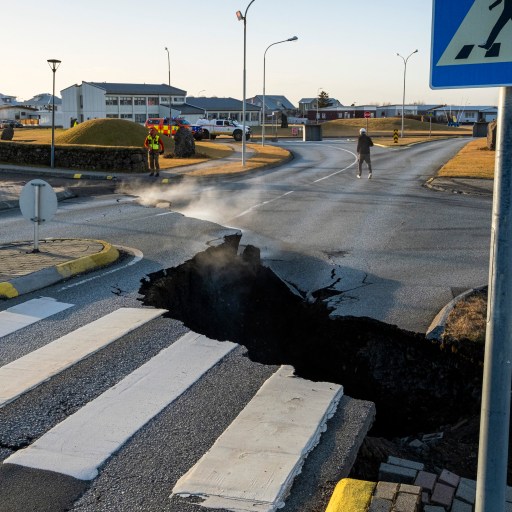
A fissure in a road in Iceland
This new geologic activity could be part of a thousand-year cycle, ushering in a new era of volcanism on the island.
A silhouette of a man flying in the sky with stars.
Acclaimed psychiatrist Bessel van der Kolk, author of “The Body Keeps The Score,” discusses the widespread existence of trauma and how it settles in our bodies.
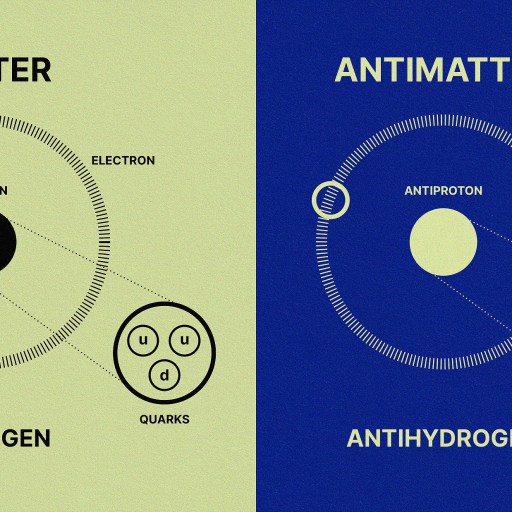
A diagram showing the difference between matter and antimatter.
In the earliest stages of the hot Big Bang, equal amounts of matter and antimatter should have existed. Why aren't they equal today?
A close up of a vibrant purple orchid.
Orchids continue to elude science.
A painting of a woman and two children.
You've certainly seen the paintings — but they don't depict what you think they do. Benjamin Moser discusses with Big Think.
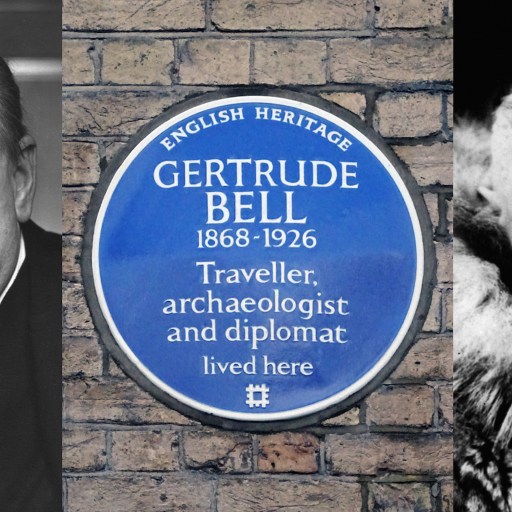
Gertrude Bell, a formidable traveller, archaeologist and diplomat, defied the action fallacy by challenging conventional wisdom and achieving remarkable success in her endeavors.
We rightly celebrate Winston Churchill as one of the world's greatest leaders — but for all the wrong reasons.
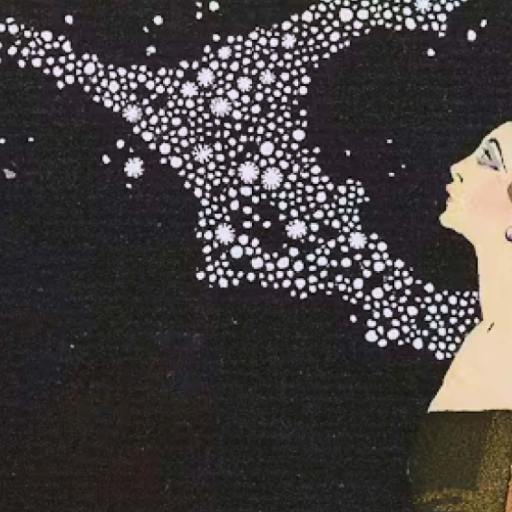
A woman in a sleeveless dress looks up at a bird shape formed by clusters of white dots against a dark background.
36mins
Are we the stories we tell? Kmele sat down with legendary conservationist Jane Goodall, actor Terry Crews and psychologist Dan McAdams to discuss how humanity makes its meaning.
A man and woman standing at a podium in front of an american flag.
10mins
Bo Seo, Esther Perel, and Dan Shapiro share their tips for arguing better.
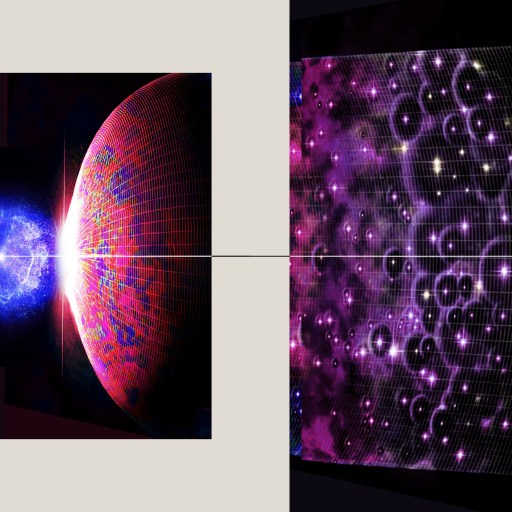
A graphical representation illustrating the concept of the big bang and the subsequent expansion of the universe, depicted by a transition from a singular point of energy to a wide, grid-like spread of galaxies and celestial elements
When the hot Big Bang first occurred, the Universe reached a maximum temperature never recreated since. What was it like back then?
An ancient castle perches majestically atop a towering rock, under the expanse of a vivid blue sky.
A single knife is sometimes worth more than a thousand armies.
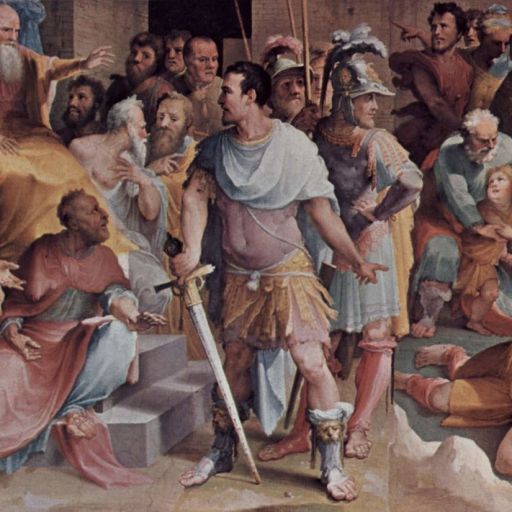
Roman dictator
Long before the birth of Julius Caesar, the Roman Republic appointed all-powerful dictators to protect their state in times of crisis. They were remarkably self-restrained and obedient to the Roman Constitution.
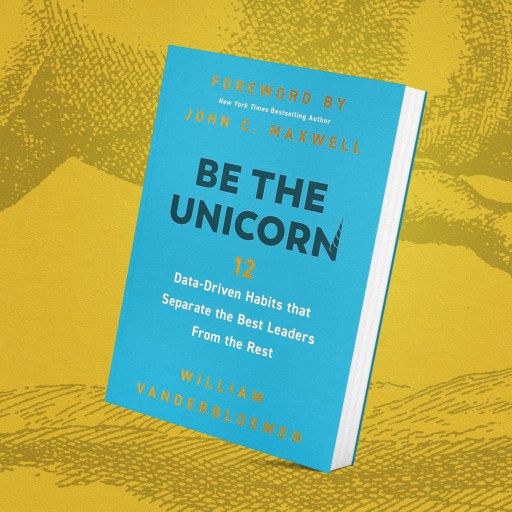
The curious be the unicorn.
Visionaries from Socrates to Steve Jobs have touted curiosity as an essential quality. Here’s how to supercharge your spirit of inquiry.
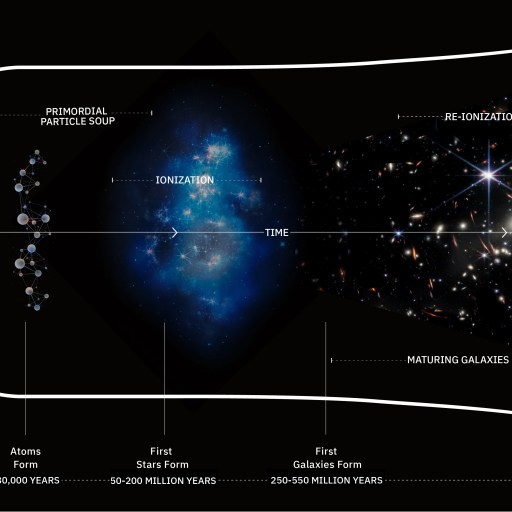
Visualization of the timeline of the universe, from the beginning big bang to the present.
Some 13.8 billion years ago, the Universe became hot, dense, and filled with high-energy quanta all at once. Here's what it was like.
AML100 chip
Analog could serve as "always-on" computing, while digital is turned on only when necessary.
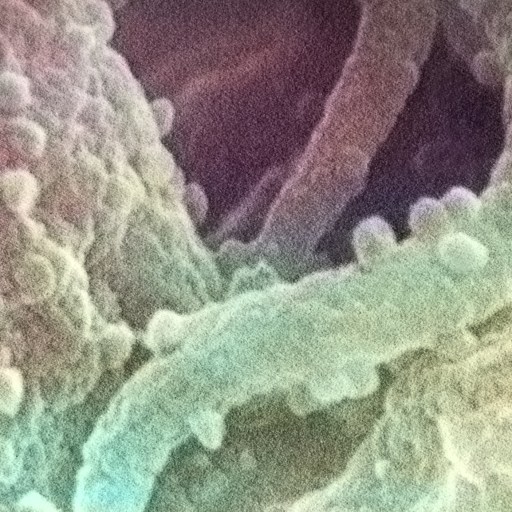
A close up image of a cell exhibiting immune resilience.
People with higher immune resilience live longer, resist diseases, and are more likely to survive diseases when they do develop.
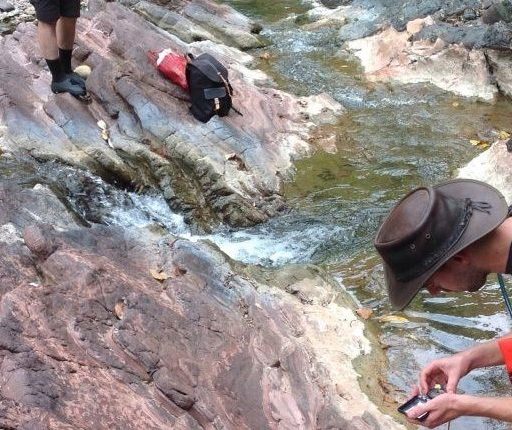
A group of hikers standing on rocks near a stream.
But scientists have found it again.
iron man suit
A unique combination of DNA and silica is the strongest known material for its density (but you’ll need a lot of it before you can build a suit from it).