

Test Special Issue

Game Change

Do elite athletes really make elite employees?

Sports, we tend to assume, offer a sharp-edged reflection of business life in microcosm — leadership under pressure, the winning mentality, valuable lessons drawn from loss. It’s all there. Just kick back with a beer and a pizza and watch your pathway to workplace success unfold on game day. Well, it turns out that the connections are often far more nuanced than we might have presumed. Do elite athletes really make elite employees? What’s the connection between Swedish pragmatics in soccer and a thriving startup culture? Have you factored in the difference between “wicked” and “kind” environments (and what does that even mean)? We investigate all of these pivotal tangents, and much more, in this Big Think special collection of essays, interviews, and curated book excerpts. Forget everything you’ve been told about the synergies between sports and business. It’s time to rewrite the rules.
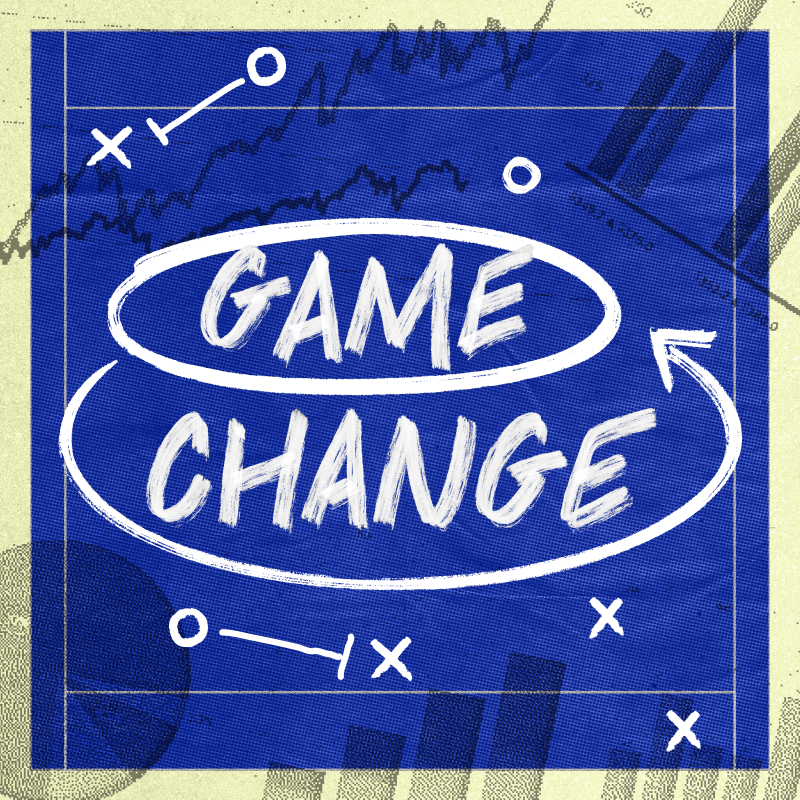
Blue background with the words "Game Change" in white, surrounded by strategic game symbols and graphs in the background.
Presented by
John Templeton Foundation
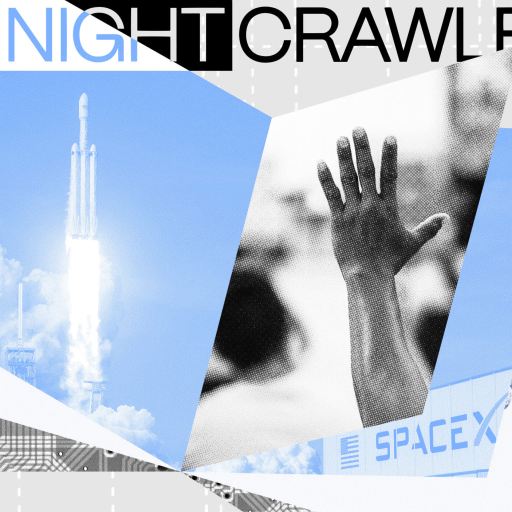
Collage with a rocket launch, raised hand, SpaceX text, blueberries, and circuitry against a gray background with "THE NIGHT CRAWLER" text—echoing the intense atmosphere of chip wars.
Welcome to The Nightcrawler — a weekly newsletter from Eric Markowitz covering tech, innovation, and long-term thinking.
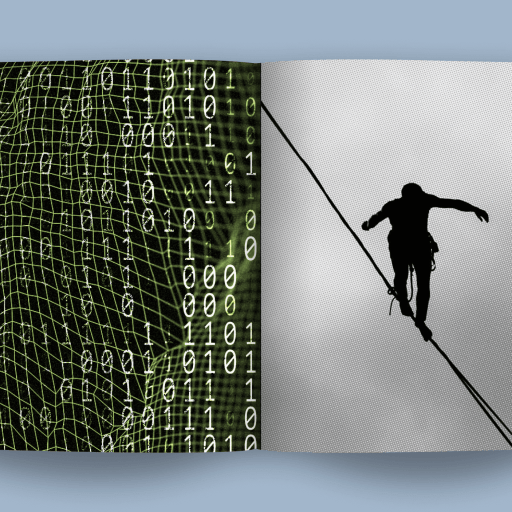
An open book reveals binary code on the left page, symbolizing AI's complexity, while a silhouette of a person balancing on a tightrope graces the right, bridging precision and creativity in harmony.
Oxford professor of ethics, John Tasioulas, thinks we should consider the loss of opportunity for “striving and succeeding” that AI is likely to bring.
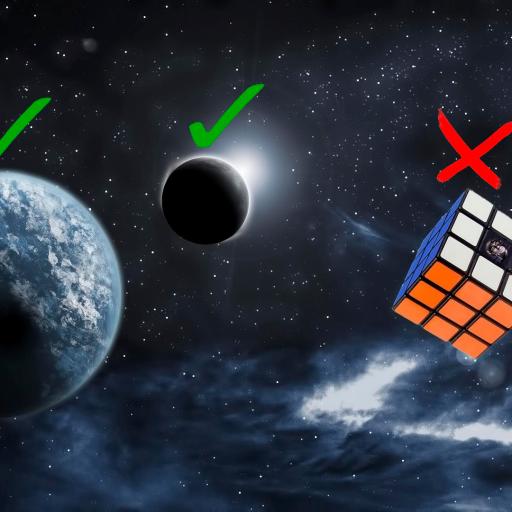
A Rubik's cube with a red X floats in space, next to a planet and moon—each marked with green checkmarks—that boast their perfect round shape.
All the stars, stellar corpses, planets, and other large, massive objects take on spherical or spheroidal shapes. Why is that universal?
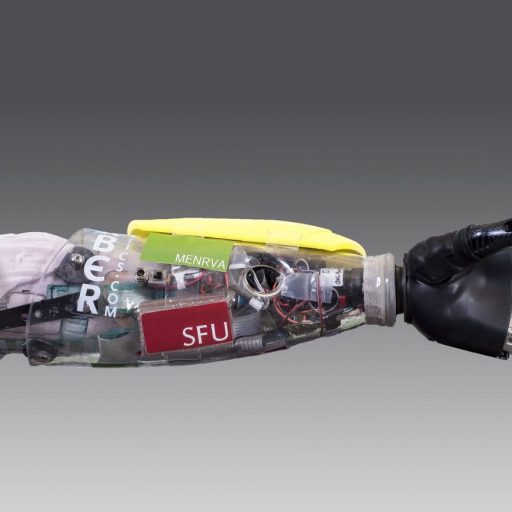
A robotic prosthetic arm with visible internal mechanisms, wires, and a mechanical hand. Labels such as "SFU" and "BESOM" are visible on the arm casing.
In the international competition, people with physical disabilities put state-of-the-art devices to the test as they race to complete the tasks of everyday life.
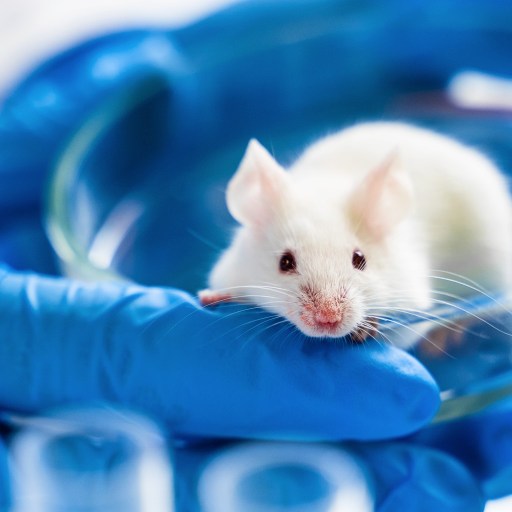
A white lab mouse sits in a glass petri dish, cradled gently by hands clad in blue gloves. The captivating scene underscores the crucial role of lab mice in scientific research and discovery.
Can laboratories become more humane, or is it time to end animal research altogether?
A yellow road sign reading "SLOW NOW" stands before a breathtaking mountainous landscape under a clear blue sky, reminding travelers of the art of slow productivity.
Cal Newport explains how you and your teams can accomplish more while improving quality and supercharging workplace morale.
Close-up of a multicolored, reflective surface depicting two human-like eyes with iridescent hues surrounding them.
11mins
“What happens if you incorporate an AI? It's now a legal person, and it can make decisions by itself. So you start having legal persons in the U.S., which are not human, and in many ways are more intelligent than us.”
A robotic hand and a human hand reach towards each other, with a glowing DNA helix in the background, symbolizing humanity's last exam in the intersection of technology and biology.
A crowdsourced "final exam" for AI promises to test LLMs like never before. Here's how the idea, and its implementation, dooms us to fail.
Two individuals examine a large panel of wires and components. Overlaid on the right is a chart with arrows and symbols, possibly depicting a scientific process or experiment.
Why hasn’t matter fallen apart over billions of years? The mystery might start with protons.
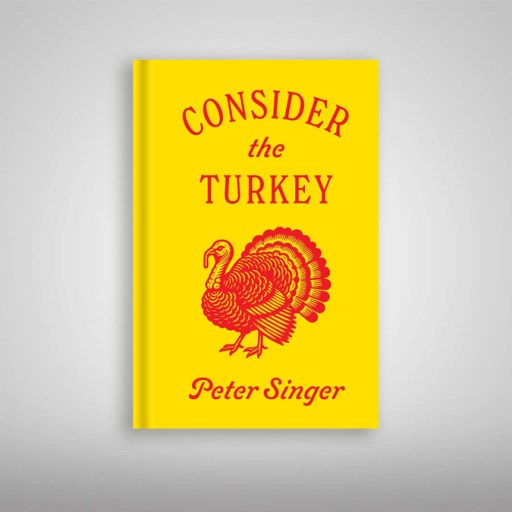
Yellow book cover titled "Consider the Turkey" by Peter Singer, featuring a red illustration of a turkey—perfect for Thanksgiving reading.
Philosopher Peter Singer argues it's time to examine a morally dubious practice.
Abstract collage showcasing two mirrored, sepia-toned portraits of an older man with wild hair and a mustache, surrounded by scientific equations on a patterned background. This piece invites viewers to ponder the right question amidst the chaos of creative thought.
Take it from Bezos, Musk, and Einstein — rethinking lines of inquiry can transform business, investing, and innovation strategy.
Fragmented image of the U.S. flag with white stars on a blue background and red and beige stripes, resembling weathered paint on a wall.
4mins
“Most of us aren't sure what to think about everything, but we don't really see that modeled anywhere, right? You're supposed to know for sure, and there's very little intellectual humility on social media or on TV.”
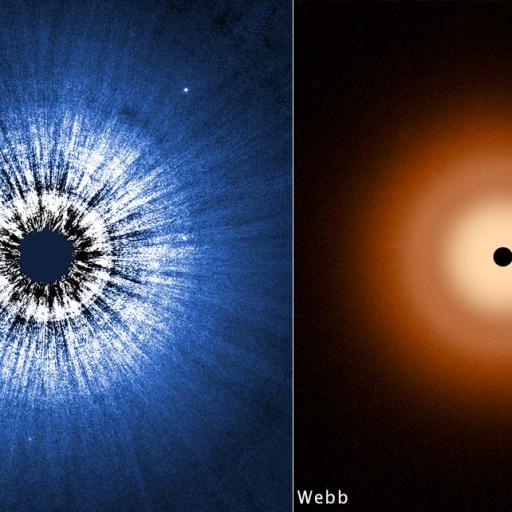
Comparison of a star's image, Vega, as taken by the Hubble Telescope (left, with starburst pattern) and the JWST (right, with clear circular halo).
The 5th brightest star in our night sky is young, blue, and apparently devoid of massive planets. New JWST observations deepen the mystery.
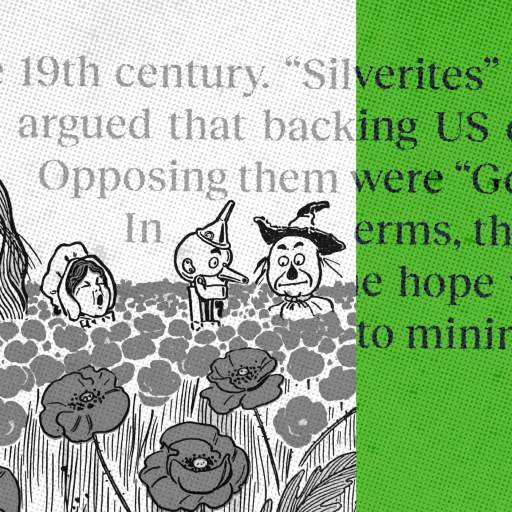
In a black and white illustration, four cartoon characters stand among poppies, set against a fantasy world backdrop. Overlaid text delves into the 19th-century currency debate, highlighting the clash between "Silverites" and "Goldbugs," merging historical intrigue with imaginative charm.
Many beloved fantasy adventures take place in worlds that bear a striking resemblance to our own.
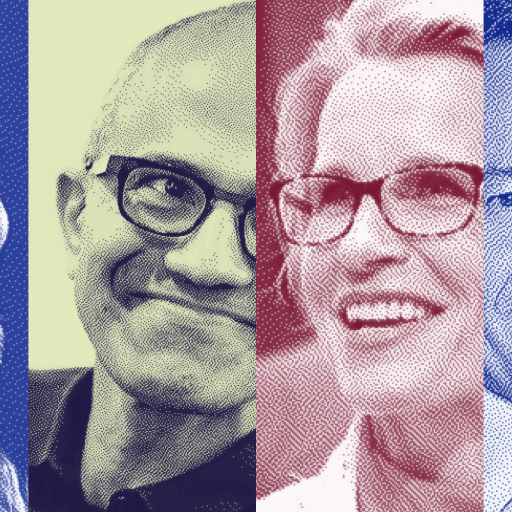
A digitally stylized image of four individuals, each in a different colored filter—blue, green, red, and blue—capturing the essence of an innovation strategy. The individuals are smiling and wearing glasses.
The successful tactics of big-name leaders — including Bob Iger, Mary Barra, and Satya Nadella — reveal key approaches to innovation.
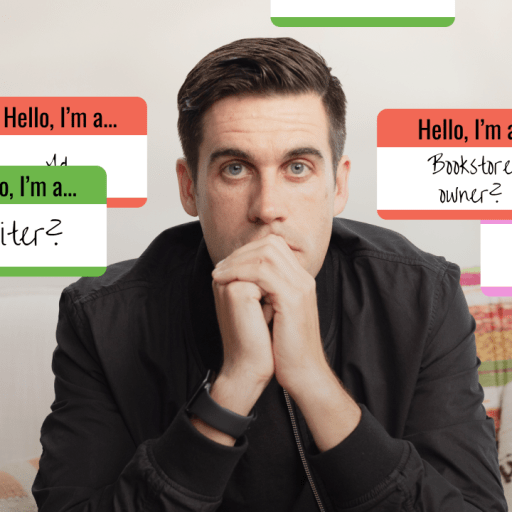
A person sits pensively with name tags around them reading "Hello, I'm a... writer? bookstore owner? father?.
5mins
How the successful marketer used ancient philosophy to overcome modern obstacles and change his mindset.
Unlikely Collaborators
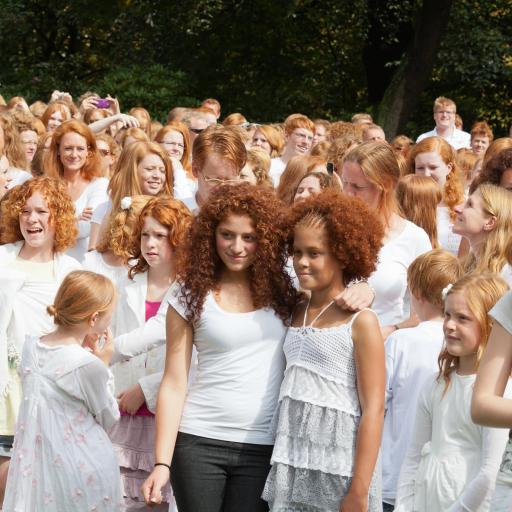
A large group of people with red hair gather outdoors, many wearing white clothing.
Whether your hair is straight, wavy, curly, or kinky isn't just genetic in nature. It depends on the physics of your hair's very atoms.
Close-up of a colorful microchip wafer with geometric patterns and reflective surfaces.
Hang on to something — or ride the wave — because three big tech trends are about to converge.
A rocket launches into the sky against a sunset backdrop, with "T-MINUS" text overlay in bold letters.
Reusable rockets, moon landers, civilian astronauts, and more.
Black and white image of two people in hats with "The End" text, next to a red-toned anatomical illustration of a heart.
How can "you" move on when the old "you" is gone?