


Test Special Issue

Game Change

Do elite athletes really make elite employees?

Sports, we tend to assume, offer a sharp-edged reflection of business life in microcosm — leadership under pressure, the winning mentality, valuable lessons drawn from loss. It’s all there. Just kick back with a beer and a pizza and watch your pathway to workplace success unfold on game day. Well, it turns out that the connections are often far more nuanced than we might have presumed. Do elite athletes really make elite employees? What’s the connection between Swedish pragmatics in soccer and a thriving startup culture? Have you factored in the difference between “wicked” and “kind” environments (and what does that even mean)? We investigate all of these pivotal tangents, and much more, in this Big Think special collection of essays, interviews, and curated book excerpts. Forget everything you’ve been told about the synergies between sports and business. It’s time to rewrite the rules.
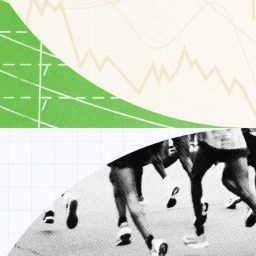
Blue background with the words "Game Change" in white, surrounded by strategic game symbols and graphs in the background.
Presented by
John Templeton Foundation
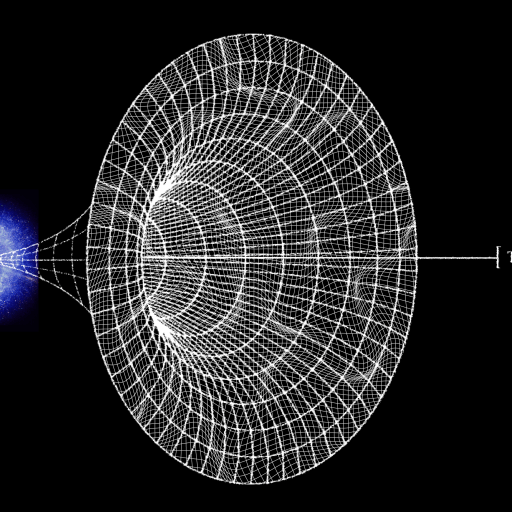
Diagram of the expanding universe concept with cosmic inflation, light cone, and time axis.
Almost everyone asserts that the Big Bang was the beginning of everything, followed by inflation. Has everyone gotten the order wrong?
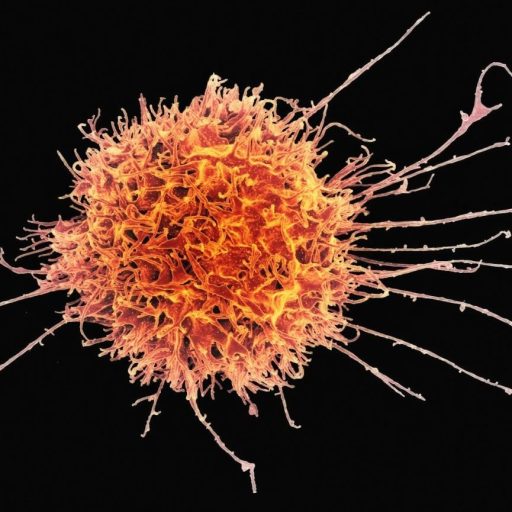
Orange spherical cell with elongated extensions against a black background.
Some go gently into the night. Others die less prettily in freak accidents or deadly invasions, or after a showy display.
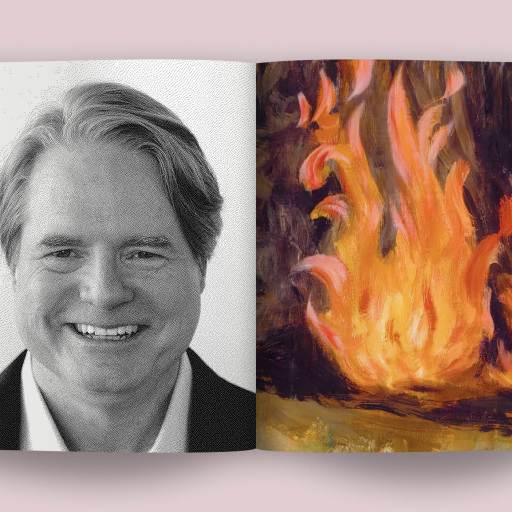
The open book reveals a black and white photo of a smiling person on the left page, capturing a moment of joy. On the right page, vibrant flames burst forth in a colorful painting, igniting the canvas with instinctive energy.
From tribal hunts to Stonehenge and into the modern day, the peer instinct helps humans coordinate their efforts and learning.
Collage featuring a race car, silhouettes holding diplomas, and the text "The Nightcrawler" on a grid background, embodying a new ethos.
Welcome to The Nightcrawler — a weekly newsletter from Eric Markowitz covering tech, innovation, and long-term thinking.
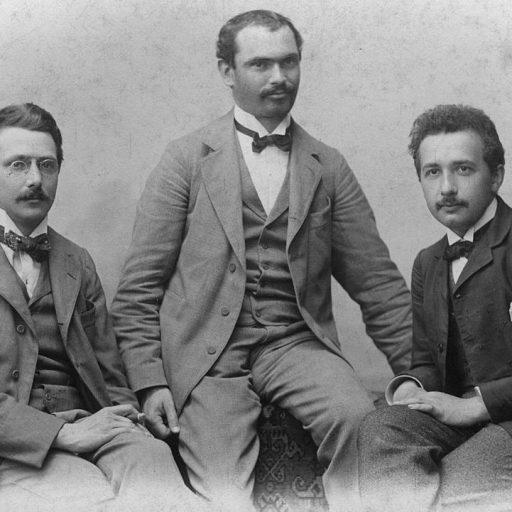
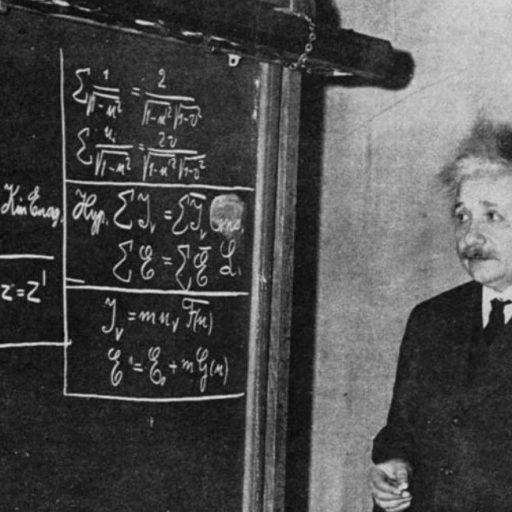
einstein
Many mavericks look to Einstein as a unique figure, whose lone genius revolutionized the Universe. The big problem? It isn't true.
Illustration of human evolution with silhouettes of ape to human walking against an abstract background with swirling red and white patterns.
The controversial theory about magic mushrooms and human evolution gets a much-needed update.
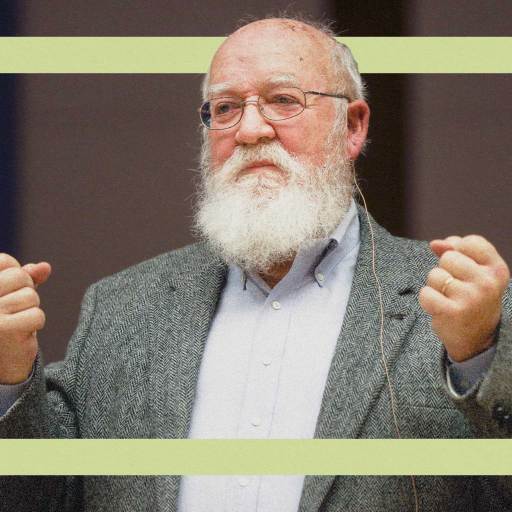
A person reminiscent of Daniel Dennett, known for his critical thinking, stands with raised hands, sporting a beard and glasses. He wears a gray blazer over a blue shirt against a neutral background.
The late philosopher suggested adding a couple of “Occam’s heuristics” to your critical thinking toolbox.
Einstein
Beyond stars, galaxies, and gravity, studying the fundamental workings of nature reveals widely applicable lessons for learners everywhere.
Collage with a smiling woman, a couple, a person lying down, another couple, and a decorative key with a flower on a textured background.
"I am free. It's a lot of effort to be free from the prison that is in your mind, and the key is in your pocket." – Edith Eva Eger
A man connects an electric car to a charging station mounted on a house wall next to a large shrub.
Electric vehicle sales are rising but public charging in cities is still lacking.
A rabbit on grass above a tortoise on sand, with graph-like lines in the background, symbolizes long-term thinking.
Businesses are realizing that rapid disruption without stability can lead to long-term failure. A new era of thoughtful, sustainable growth is emerging.
An open book displays great leaders, with a man walking with a briefcase on the right page and silhouettes of birds flying on the left page.
If “founder mode” runs its course, CEOs should cultivate a new skillset rooted in the authenticity of self-awareness.
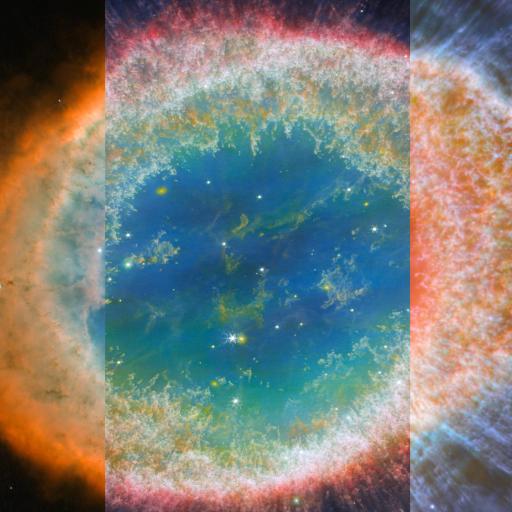
ring nebula hubble jwst nircam miri
More than two years after JWST began science operations, our Universe now looks very different. Here are its biggest science contributions.
A plant with leaves and roots resembling a dandelion has four glowing light bulbs in place of flowers, creating innovation clusters against a black background.
Studying why innovation clusters form can shed light on how to better promote research and growth.
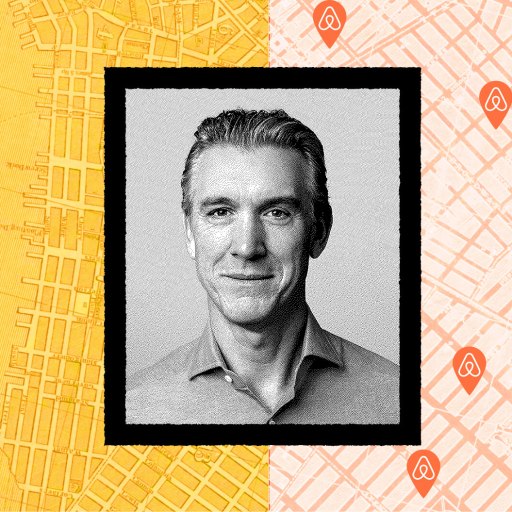
Black and white photo of a man centered on a split background; the right side features a map dotted with Airbnb logos, while the left showcases a digital pattern, symbolizing tactical leadership navigating the complex landscape of modern accommodations.
Airbnb’s CBO, Dave Stephenson, joins Big Think for a chat about elite-team leadership, "founder mode," the Taylor Swift effect, and more.
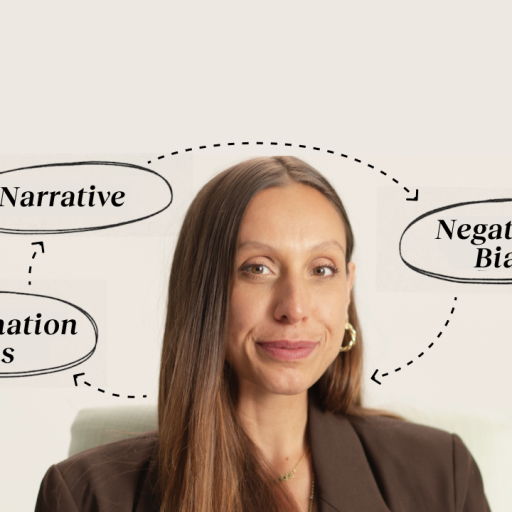
Person with long hair, wearing a brown blazer, surrounded by text bubbles labeled "Narrative," "Negativity Bias," and "Confirmation Bias." Arrows connect the bubbles.
6mins
We’re all assigned a label at some point in our lives. You might be the smart one, the creative one or the lazy one. But is that designation really an […]
Unlikely Collaborators
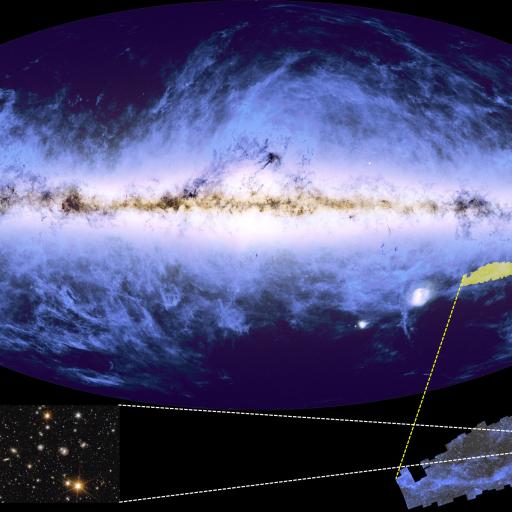
A panoramic image of the Milky Way galaxy, with an inset showing a zoomed view of distant galaxies, tells a cosmic story. This region, highlighted in textured detail, echoes the exploration themes of the Euclid mission.
What are dark matter and dark energy? The large-scale structure of the cosmos encodes them both, with ESA's Euclid mission leading the way.
A gloved hand holds a small vial in front of a colorful, blurred background resembling a DNA sequence.
"The promise of the Human Genome Project has finally arrived."
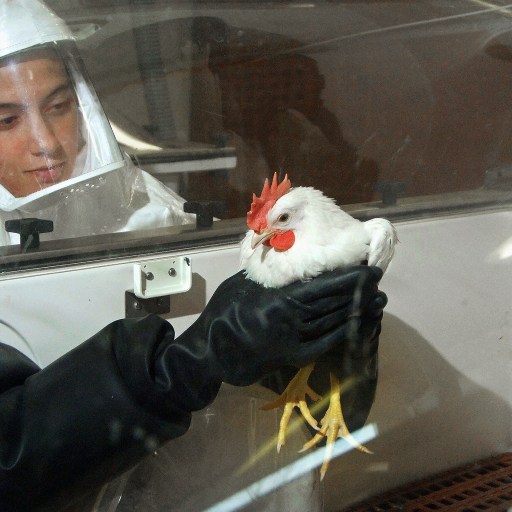
A person in protective gear cautiously holds a white chicken inside a controlled environment chamber, underscoring precautions against bird flu.
Differences in certain avian and mammalian proteins explain why avian influenza doesn't (typically) infect humans.