




Test Special Issue

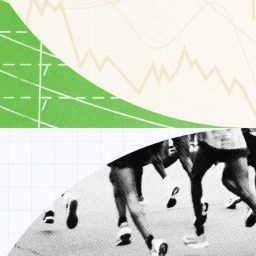
Game Change

Do elite athletes really make elite employees?

Sports, we tend to assume, offer a sharp-edged reflection of business life in microcosm — leadership under pressure, the winning mentality, valuable lessons drawn from loss. It’s all there. Just kick back with a beer and a pizza and watch your pathway to workplace success unfold on game day. Well, it turns out that the connections are often far more nuanced than we might have presumed. Do elite athletes really make elite employees? What’s the connection between Swedish pragmatics in soccer and a thriving startup culture? Have you factored in the difference between “wicked” and “kind” environments (and what does that even mean)? We investigate all of these pivotal tangents, and much more, in this Big Think special collection of essays, interviews, and curated book excerpts. Forget everything you’ve been told about the synergies between sports and business. It’s time to rewrite the rules.
Blue background with the words "Game Change" in white, surrounded by strategic game symbols and graphs in the background.
Presented by
John Templeton Foundation
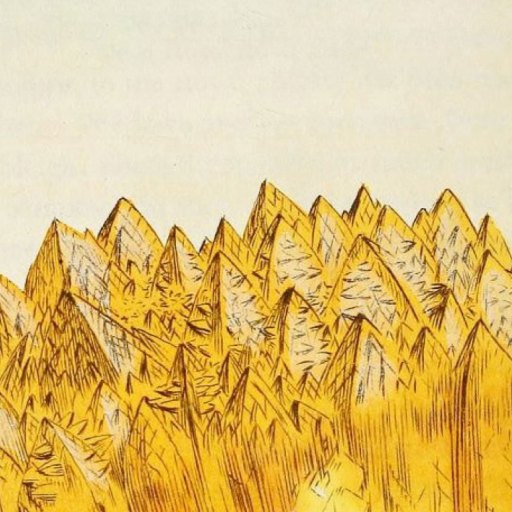
Illustration of a cluster of yellow crystal formations with pointed tips, drawn on a light, off-white background.
3mins
“I study the mineral kingdom — and its secrets could lead us to alien life.”
A series of sun positions during sunset over a landscape, with trees in the foreground and mountains in the background, creating a pattern of glowing points in the sky.
Sure, there's less daylight during winter than summer, as your hemisphere is tilted away from the Sun. But darkness goes deeper than that.
An open book is on a desk alongside stacked books and a pencil holder. The image has been digitally distorted with pixelation and a green overlay featuring a partial logo.
"We should be informed and educated about the risks of AI, but we can’t be afraid,” Khan Academy founder Sal Khan told Big Think.
Abstract illustration of a partial human head with geometric shapes and interconnected lines extending from the top.
From flow to emotional intelligence, these insightful books feature actionable advice you can try out today.
bounce ball
Our thermodynamic arrow of time explains why the entropy of any isolated system always increases. But it can't explain what we perceive.
An image contrasts two emotions: the left side shows a close-up of a tearful face, while the right side depicts a woman immersed in laughter.
Cody Delistraty explores if laughter can help alleviate the physical symptoms of grief.
A row of four black office chairs sit in front of a large oval digital screen displaying a green matrix pattern, symbolizing AI business impact, in a modern white room.
Nestor Maslej, research manager at the Stanford Institute for Human-Centered AI (HAI), talks us through key findings in the 2024 AI Index Report.
11mins
Sure, IQ is important, but is as impactful as emotional intelligence? Renowned psychologist and author Daniel Goleman explains.
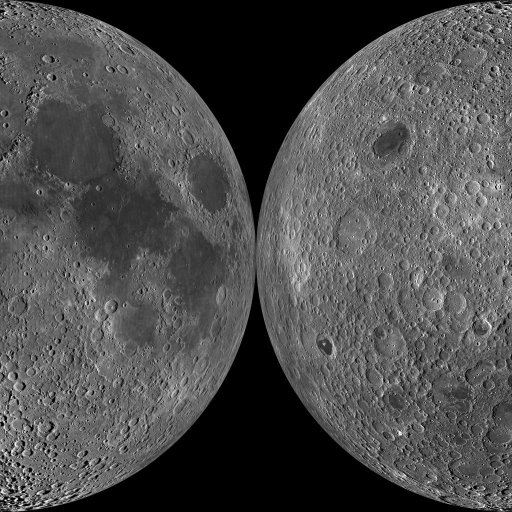
moon two faces
The near and far sides of the Moon are so different from each other, and no one is sure why. New lunar samples could confirm a wild theory.
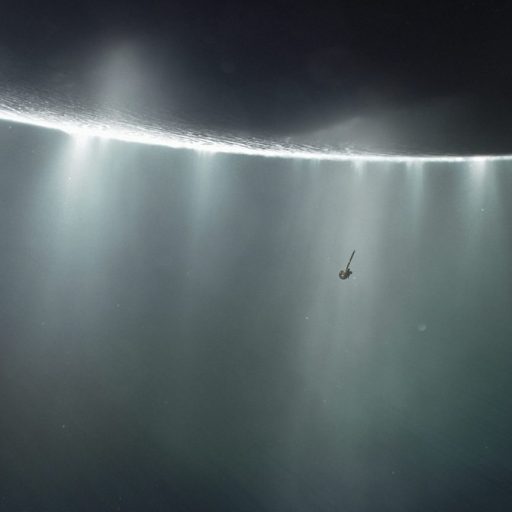
A spacecraft hovers near a bright ring of light in space, surrounded by misty rays and a vast, dark background.
This research team is working out how to detect extraterrestrial cells in the liquid water ocean hidden beneath Enceladus’s icy crust.
A historical illustration depicts an automaton dressed in Ottoman attire, seated behind a chessboard with mechanical components visible below the table, showcasing an early concept akin to mind-body AI.
Our “embodied minds” suggest an eventual escape from mortality via computer is unlikely.
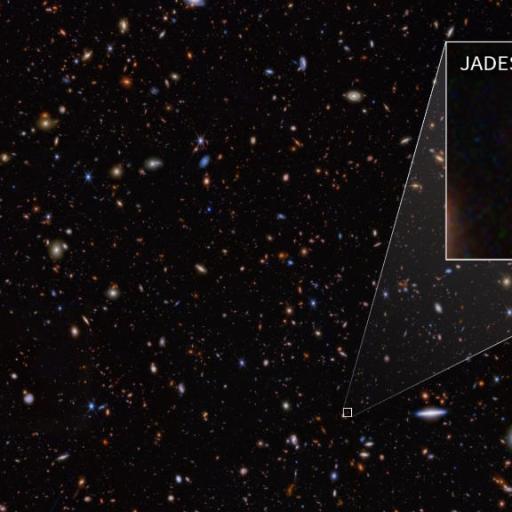
All telescopes are fundamentally limited in what they can see. JWST reveals more distant galaxies than Hubble, but still can't see them all.
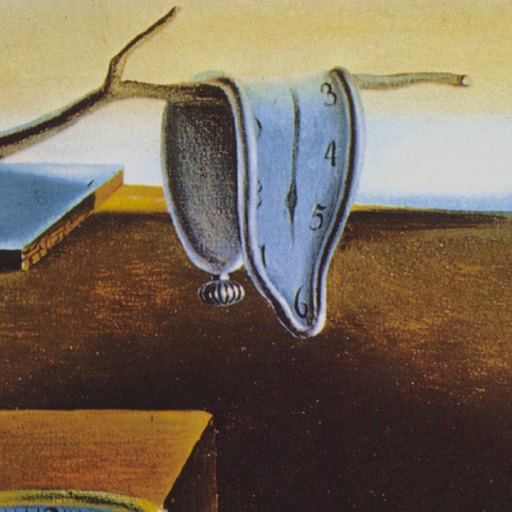
A melting clock drapes over a bare tree branch in a surreal, barren landscape with simple geometric shapes and muted colors.
7mins
“We could be wrong. But if we are right, it’s profoundly important.” Leading mineralogist Dr. Robert Hazen on the missing law of nature that could explain why life emerges.
John Templeton Foundation
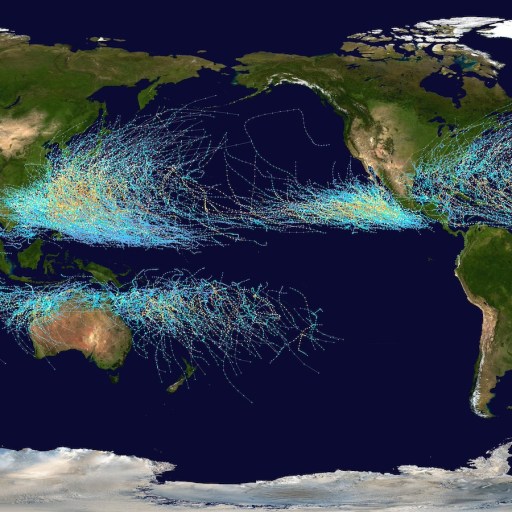
Map of the world showing tropical cyclone tracks from 1985 to 2005. Paths are marked with lines indicating storm movement over time. Dense clusters appear in the North Pacific, North Atlantic, and the Indian Ocean.
Thanks to the Coriolis force, hurricanes never cross the equator.
A grayscale business portrait of a young CEO in a suit and tie framed over a blue and gray background with abstract charts and the number 5, symbolizing key lessons integrated into the design.
Yushiro Kato — the 32-year-old co-founder and CEO of manufacturing platform CADDi — offers his most valuable leadership learnings.
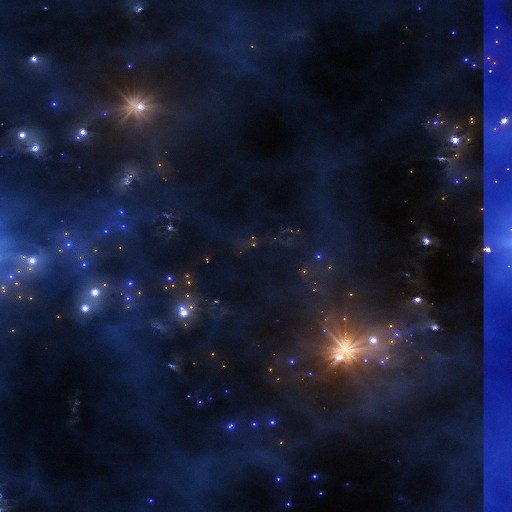
An artist's impression of a cluster of stars.
There was a time where no starlight was visible throughout the entire cosmos. That time was short-lived: shorter than astronomers imagined.
Google search bar with queries related to TikTok, including "is tiktok getting banned," "is tiktok shutting down," and "is tiktok banned in us.
TikTok and its allies won't go down without a legal fight.
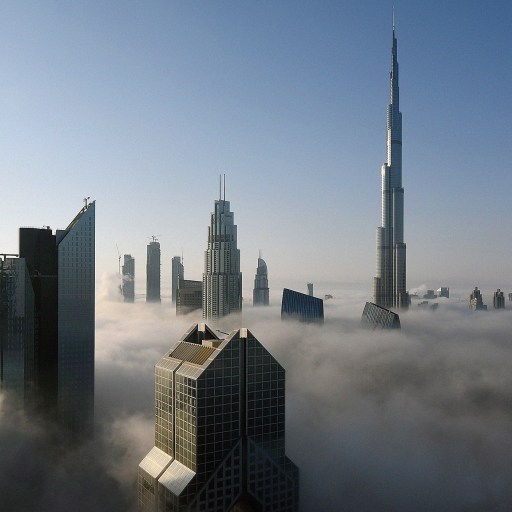
Skyline of a city with tall skyscrapers emerging above a thick layer of fog on a clear day, including one exceptionally tall building towering over the tallest buildings.
Saudi Arabia’s Jeddah Tower is poised to become the world’s tallest building. What’s behind the century-plus drive to build ever taller skyscrapers?
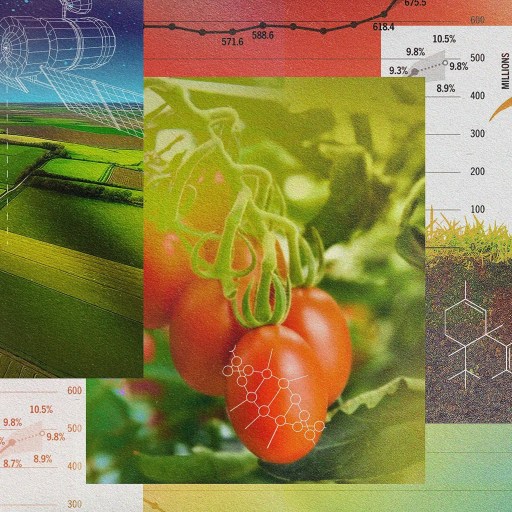
A collage of agricultural imagery including a drone, fields, tomatoes, a plant sprout diagram, and various charts and graphs related to farming data.
Hunger rates are rising. These technologies could turn the tide.