
Test Special Issue

Game Change

Do elite athletes really make elite employees?

Sports, we tend to assume, offer a sharp-edged reflection of business life in microcosm — leadership under pressure, the winning mentality, valuable lessons drawn from loss. It’s all there. Just kick back with a beer and a pizza and watch your pathway to workplace success unfold on game day. Well, it turns out that the connections are often far more nuanced than we might have presumed. Do elite athletes really make elite employees? What’s the connection between Swedish pragmatics in soccer and a thriving startup culture? Have you factored in the difference between “wicked” and “kind” environments (and what does that even mean)? We investigate all of these pivotal tangents, and much more, in this Big Think special collection of essays, interviews, and curated book excerpts. Forget everything you’ve been told about the synergies between sports and business. It’s time to rewrite the rules.
Blue background with the words "Game Change" in white, surrounded by strategic game symbols and graphs in the background.
Presented by
John Templeton Foundation
A black-and-white photo of young children sitting in a classroom. Two teachers stand at the back. Drawings and crafts are displayed on the walls, suggesting it was from an earlier historical period, where every good kid learned under watchful eyes.
How to make sure our formative tendencies don't derail us from being the great leaders we are trying to become.
Close-up of the lower face from a classic oil painting, showing a subtle smile, cracked paint texture, and part of wavy brown hair.
3mins
“Not only does Mother Nature not care about your happiness, she knows that we need lots of negative emotions to keep us alive.” Harvard happiness professor on why suffering IS necessary:
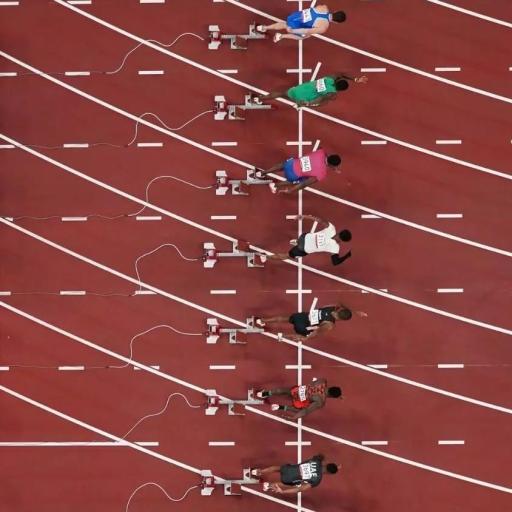
Overhead view of athletes in starting blocks on a track, preparing for the fastest 100 meters. Marked lanes and starting lines are visible.
The all-time record is Usain Bolt's 9.58 seconds, set in 2009. What is the fastest time, ultimately, for an ideal human body?
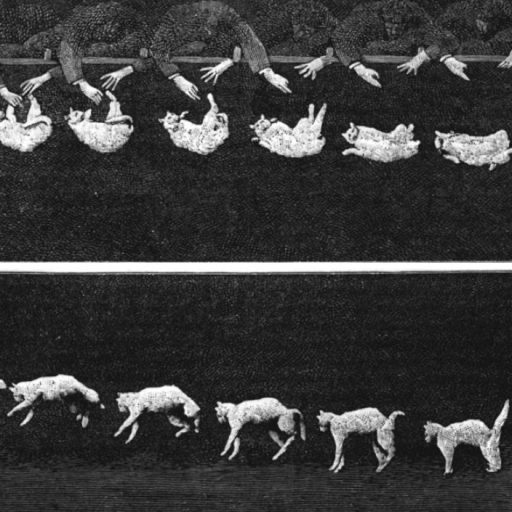
Sequential illustrations showing the motion of a cat falling and landing on its feet, demonstrating the righting reflex.
Cats twist and snakes slide, exploiting and negotiating physical laws. Scientists are figuring out how.
A search bar with the phrase "the future" being typed and a blue search button below it. An arrow cursor points to the search phrase. The background is black.
Can AI-powered “answer engines” replace the 10 blue links model?
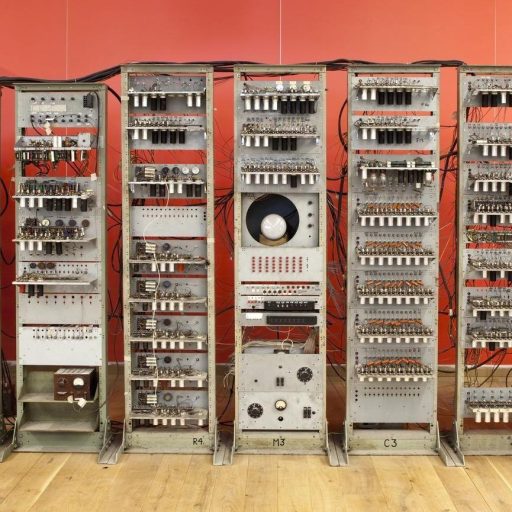
A vintage computer mainframe with multiple interconnected units, cables, and knobs, displayed in front of a red background on a wooden floor.
Alan Turing and Christopher Strachey created a ground-breaking computer program that allowed them to express affection vicariously when so doing publicly, as gay men, was criminal.
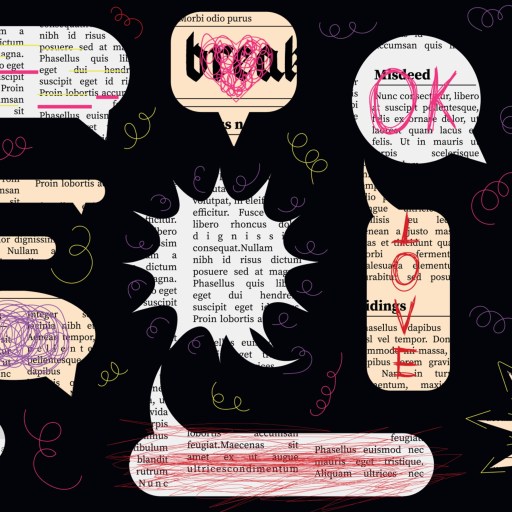
A collage of speech bubbles containing randomly oriented text, scribbles, and abstract shapes on a black background. Some bubbles feature words like "news" and "missed" partially visible.
In "Not Born Yesterday," author and cognitive scientist Hugo Mercier makes the case that misinformation is overrated — and other human foibles are underrated.
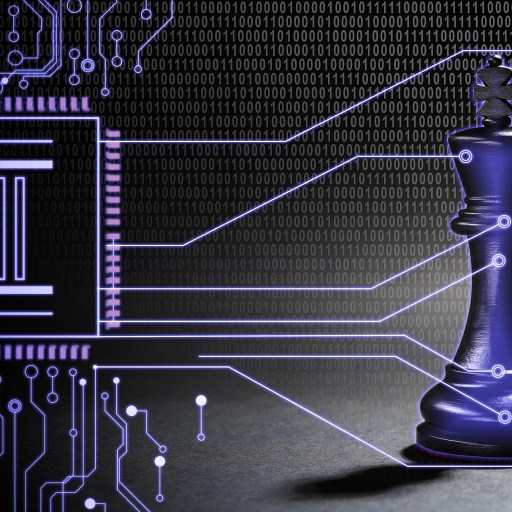
An open processor is connected by circuit lines to a black chess piece, with binary code in the background, symbolizing the intersection of technology and strategy, where every move could deceive even the sharpest minds.
"If you’re training an AI to optimize for a task, and deception is a good way for it to complete the task, then there’s a good chance that it will use deception."
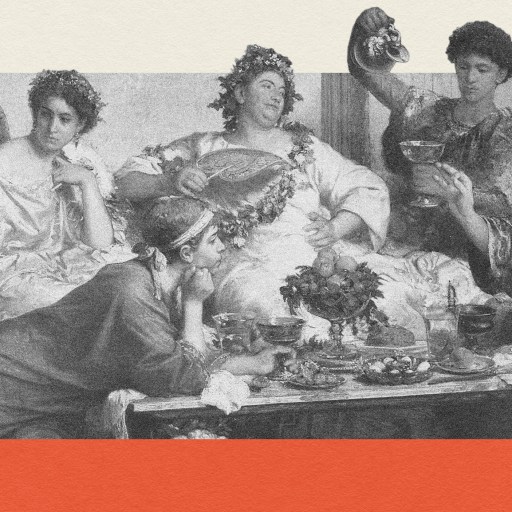
A black-and-white illustration depicts five individuals wearing robes and garlands, reclining and sitting around a table with food and drink, reminiscent of a classical or ancient feast, evoking scenes one might imagine from the time of Confucius.
When stuffed and staring down the last bite, you might hear your mother's voice in your mind.
9mins
Humans are among the most altruistic species that we’ve studied, due to our alloparental instincts – a trait we evolved into that allows us to care for offspring who are […]
Five round, flat objects in black, blue, gray, red, and green are arranged in a row on a grid background.
2mins
“We wouldn’t be able to talk about minerals if it weren’t for the minerals themselves.” Mineralogist Bob Hazen explains how Earth’s rocks can teach us about our planet’s technicolor history.
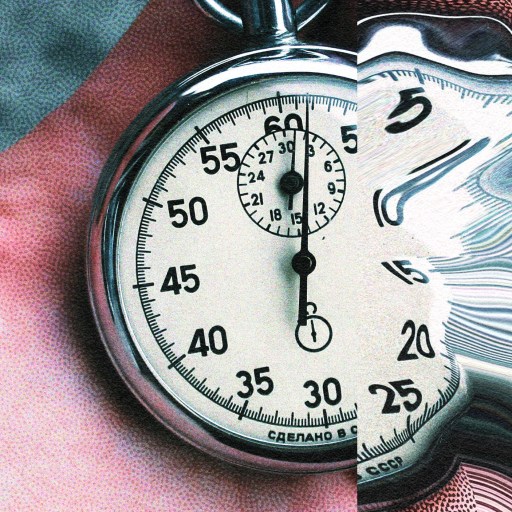
A stopwatch appears normal on the left side while the right side is digitally warped, creating a distorted, wavy effect that makes you question, "Does time exist?
The passage of time is something we all experience, as it takes us from one moment to the next. But could it all just be an illusion?
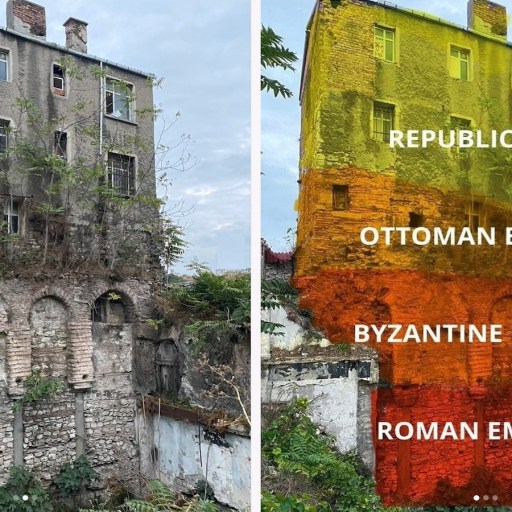
An old building with visible sections from four eras labeled: "REPUBLIC ERA," "OTTOMAN EMPIRE," "BYZANTINE EMPIRE," and "ROMAN EMPIRE" from top to bottom. Left side shows the building; right side shows the labeled eras.
19 rooms. 1,636 square feet. 1,800 years of history.
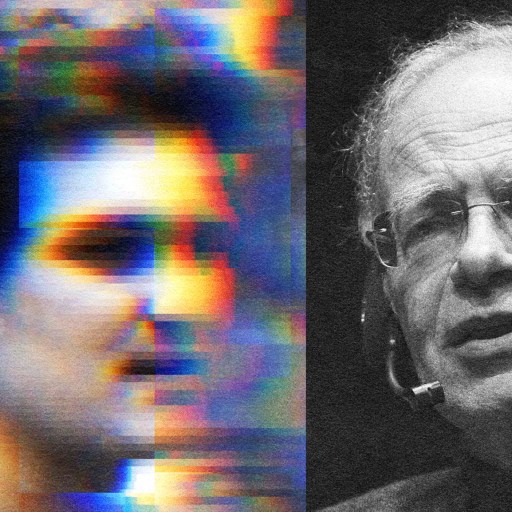
A split image with a blurred, colorful portrait of Sam Bankman-Fried on the left and Peter Singer on the right.
"The movement is much bigger than Sam Bankman-Fried, or any one person, no matter how wealthy," philosopher Peter Singer told Big Think.
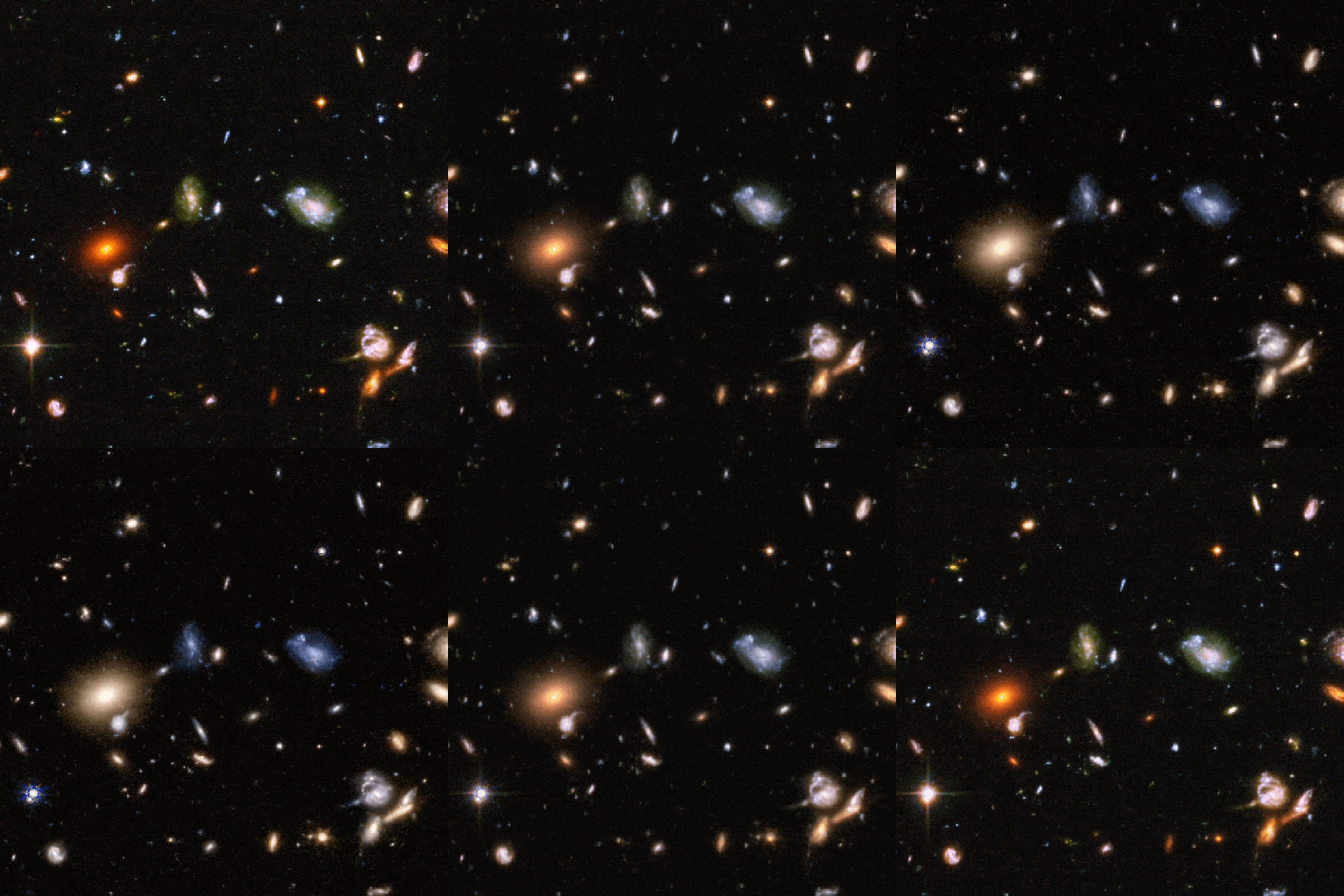
JWST deep field vs hubble
From inside our Solar System, zodiacal light prevents us from seeing true darkness. From billions of miles away, New Horizons finally can.
A computer-generated image shows the airflow patterns around a streamlined aircraft, highlighted in various colors to depict different airflow intensities.
Hypersonic aircraft can fly at least five times the speed of sound. They would make for terrifying weapons.
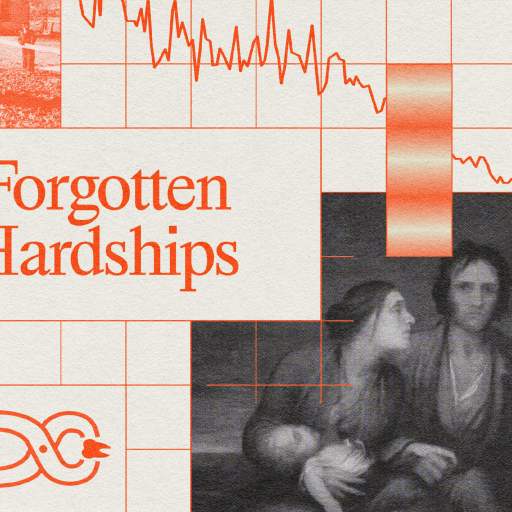
A collage featuring the text "Forgotten Hardships," images of a struggling family, a graph, a historical farming scene, hands with a skin condition, and an illustration of a caliper.
9 minutes of cruel history may cure the anti-progress delusion.
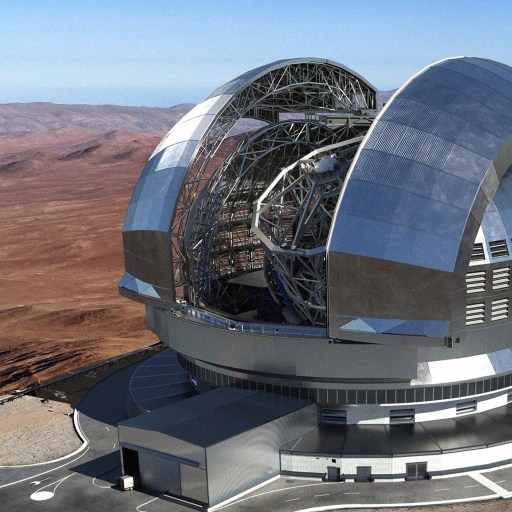
A large astronomical observatory, featuring the futuristic dome structure of an ELT, stands majestically in a desert landscape. A small red vehicle is visible near the base of the observatory.
The Extremely Large Telescope (ELT) will have a light-collecting power 10 times greater than today's best telescope.
Illustration of a skull with crossed bones on a vibrant green background. The phrase "Memento mori!" is boldly inscribed beneath the skull.
Executive coach Jodi Wellman explains how to “make it to the end with no regrets.”
6mins
“How is it possible to do work that you’re proud of and not feel like your job is encroaching on all parts of your life?” Cal Newport, Author of ‘Slow Productivity,’ explains.