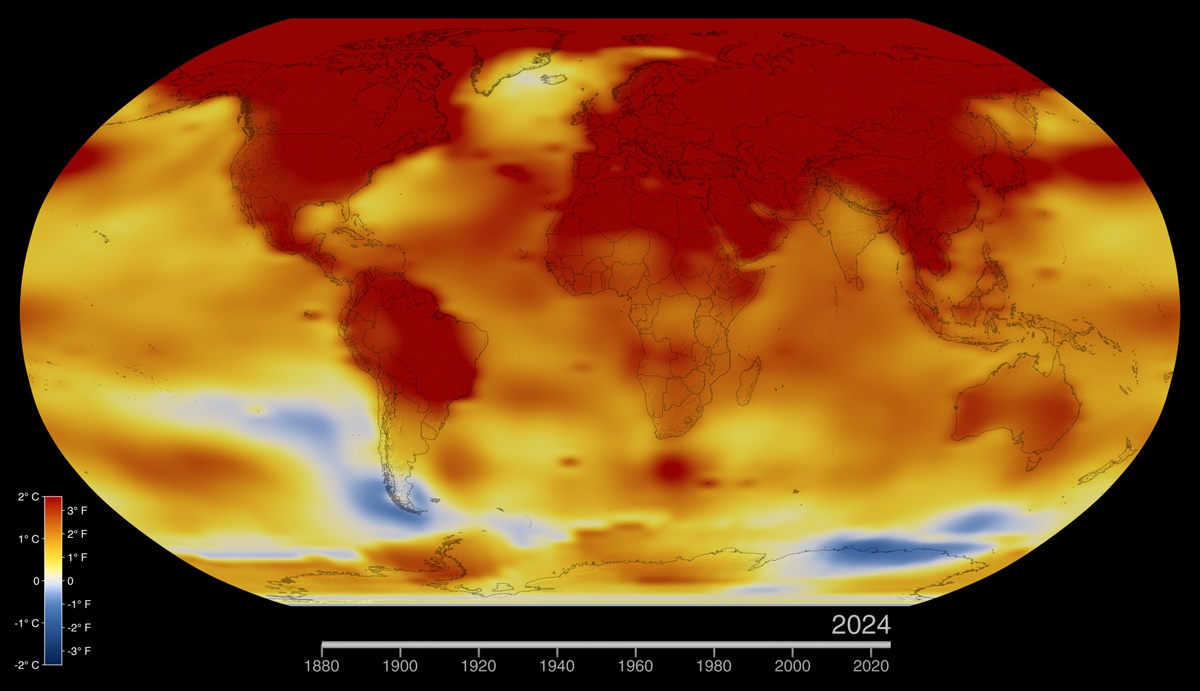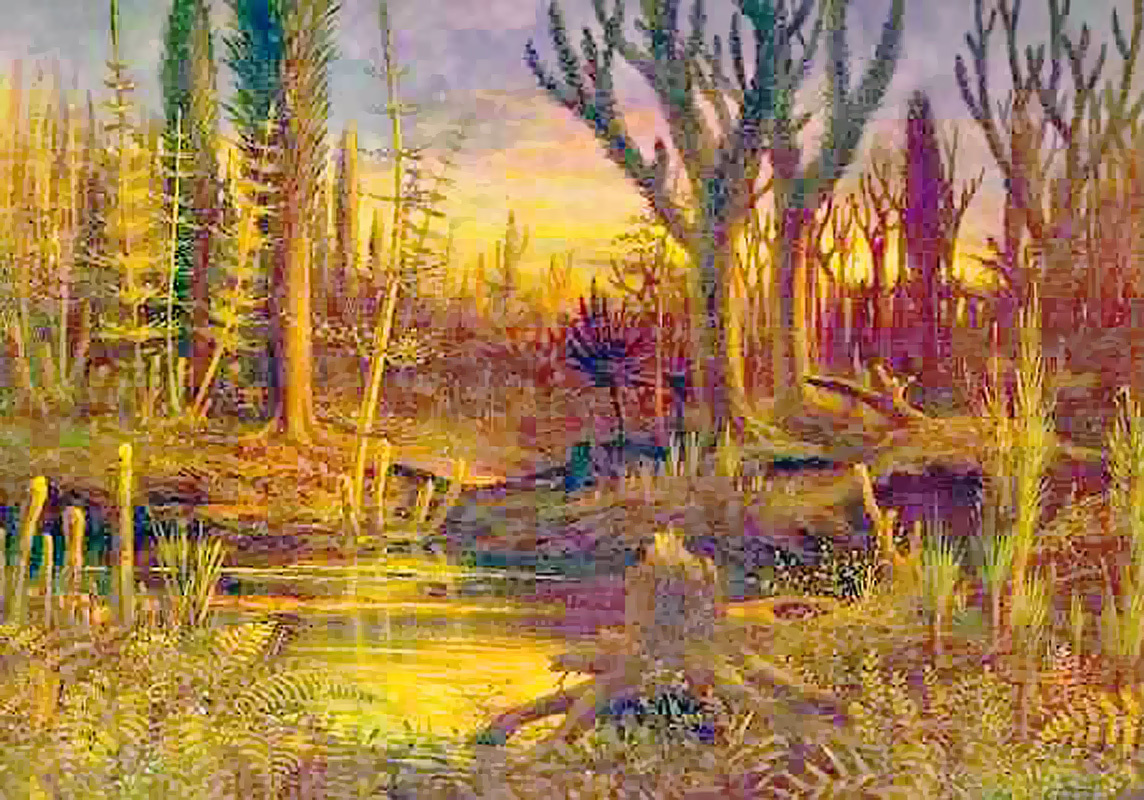















A new study in The Holocene by Julia Pongratz of the Carnegie Institution for Science says it all comes down to a trade-off between people and trees: when a brutal war or devastating plague significantly reduces a human population, forests have the chance to re-grow and absorb carbon dioxide, mitigating the greenhouse effect. Pongratz reconstructed global land cover from 800 AD to the present and modelled the carbon cycle for the same time period in order to test how land usage influenced climate change.

Special Issue
Game Change
A Big Think special collection of essays, interviews, and exclusive book excerpts that rewire the connections between sports and business.
14 articles