




















Search


Dark matter doesn't absorb or emit light, but it gravitates. Instead of something exotic and novel, could it just be dark, normal matter?

Welcome to The Nightcrawler — a weekly newsletter from Eric Markowitz covering tech, innovation, and long-term thinking.

We're all entitled to our own opinions, no matter how ill-informed they are. But facts are facts; we can't just choose the ones we prefer.

The more you know, the better you can act.

Steve Jobs once quipped that Apple's professional managers "knew how to manage, but they didn't know how to do anything."
6mins
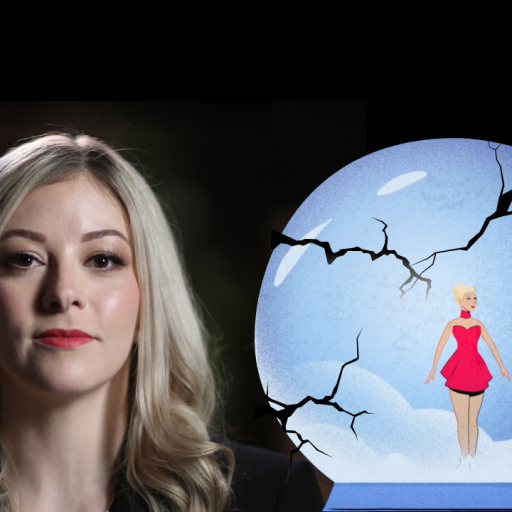
She’s a fierce competitor on the ice. But the figure skater’s toughest battle has been accepting her shortcomings and learning to love herself.
Unlikely Collaborators

Asteroid 2024 YR4, which could devastate a city's worth of humans, has gone from 1.2% to 2.3% to 2.6% to 3.1% chances of impact. Here's why.

AI, anxiety, and emotional intelligence are on learners' minds as they prepare to tackle the new year.

Neuroscientist and author Anne-Laure Le Cunff discusses the lasting benefits of uncertainty, curiosity, and the experimental mindset.

From acclaimed novels to heretical treatises, sometimes a writer just doesn't want to put their name on the cover.

A brief guide to habits that separate deep understanding from superficial knowledge — and how to cultivate them.

Magicians use “change blindness” to delight audiences — and you can use it to become an excellent colleague.

At extremely close distances to their stars, even rocky planets can be completely disintegrated. We've just caught our first one in action.

Conversational AI agents will have a major advantage over human salespeople.

From “job crafting” to questioning our preconceived ideas about work, there are many ways to fight burnout and disengagement.

Ring galaxies are rare, but we think we know how they form. A new, early-stage version, the Bullseye galaxy, provides a new testing ground.

New research challenges old assumptions about the evolution of the human brain.

Here in our Solar System, terrestrial bodies get moons from gravitational capture or collisions. The Pluto-Charon system? It was both.

Delirium is one of the most perplexing deathbed phenomena, exposing the gap between our cultural ideals of dying words and the reality of a disoriented mind.

Only 5% of the Universe is made of normal "stuff" like we are. Could there be dark matter or dark energy life, or even aliens, out there?