













Search
Joseph F. Coughlin
Director of the MIT AgeLab
Joseph F. Coughlin is director of the Massachusetts Institute of Technology AgeLab (http://agelab.mit.edu). His research explores how demographic change, technology and consumer behavior drive innovations in business and society. Coughlin teaches in MIT's Department of Urban Studies and Planning and the Sloan School's Advanced Management Program. He is author of the new book The Longevity Economy: Unlocking the World's Fastest-Growing, Most Misunderstood Market (Public Affairs, 2017).
Read Less
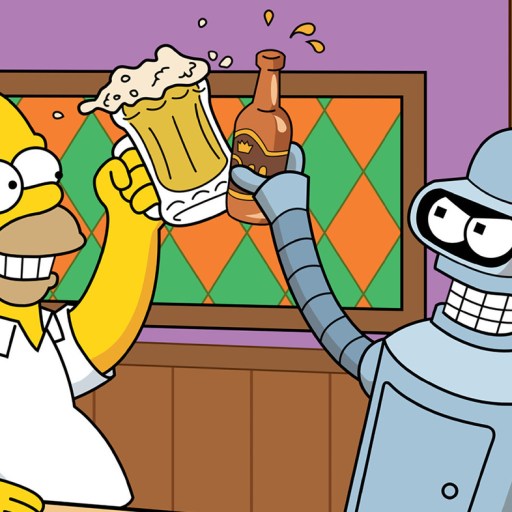
It's not just for the lols. If you're up for some soul-searching, they need you to contribute to this MIT research survey...
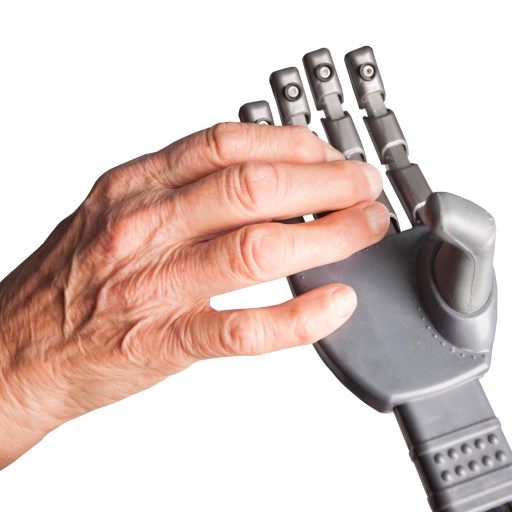
Robotics is already changing how we live, shop, invest, travel, and soon, robo-caregivers will transform how we provide care. AI will deliver extraordinarily innovative services in support of our loved ones, but the use of robots to care for our children, elderly and disabled will also give rise to some very human questions.
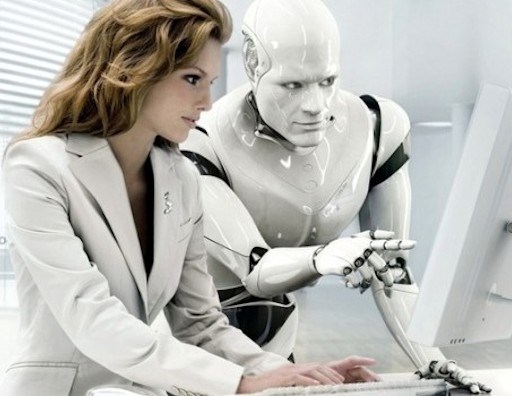
A new C is coming to the C-suite: The Chief Robotics Officer, or CRO. Do I hear laughter or detect an eye roll? Think again. The bots are coming. Business […]
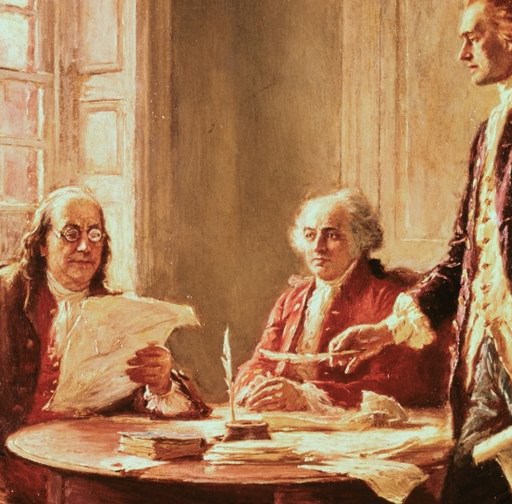
Revolutionaries don't retire. Passion, not age, predict the will to make positive change happen. July 4 celebrates the Declaration of Independence but it also shows that birthdays are no indicator of who can make a difference.

The 24/7 nudge economy is emerging. Once-quiet appliances that waited for you to push their buttons are now pushing yours.
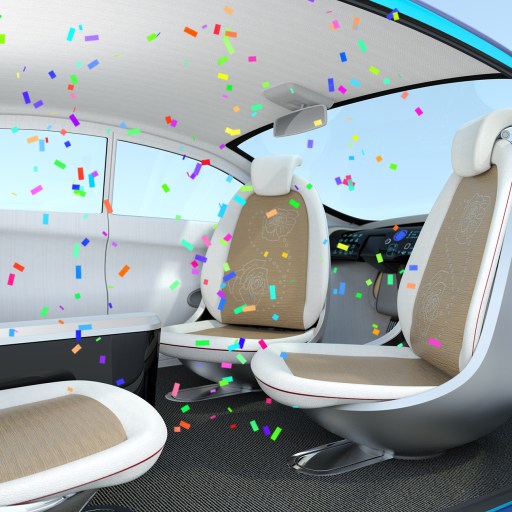
The driverless car is coming – but what will *you* being doing in your self-driving car? Robotic cars will give rise to a new ridership economy of on-the-go services and experiences.
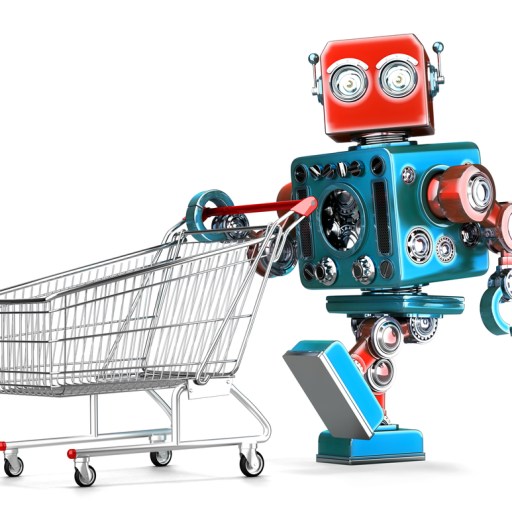
A debate rages over whether brick-and-mortar or online retail will ultimately claim the greater share of consumer hearts and wallets. While that debate continues, however, a new channel has emerged – the home robot. Your home robot is more than just a little helper; it (often referred to by some as she or he) is a new and powerful influential link between consumers and businesses.
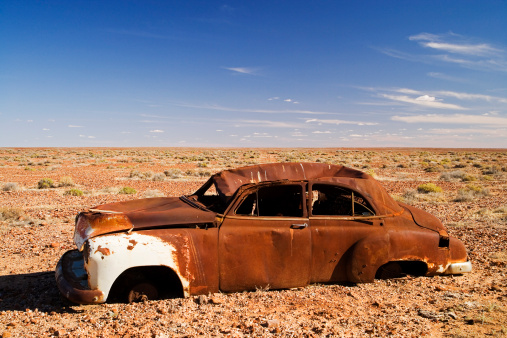
As driverless cars gain increasing acceptance among the public, what social values, industries, and activities will be displaced, or even made as obsolete as car ownership itself?
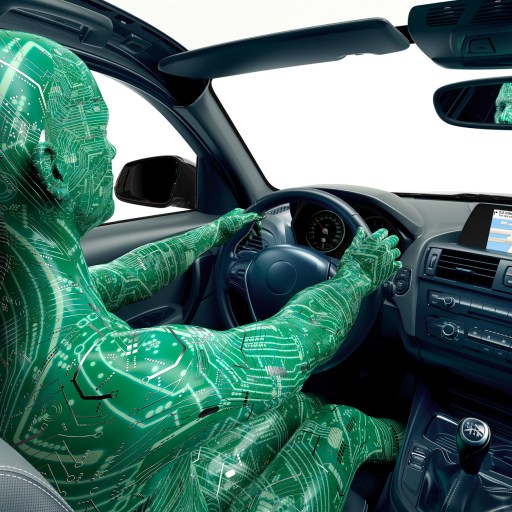
How far are you willing to trust technology? Make a call, share a photo, find a good restaurant, pay a bill, vacuum the floor? But, will you trust autonomous systems with your life and the life others? Autonomous vehicles will be making decisions for us at 60mph and more -- the question facing us may no longer be technological but social. How much do you trust a robot?

Driverless cars are nothing short of a revolution – not a technological revolution, but a social one, that will determine how fast we can accept, adapt and trust these new systems to change our lives.
Driverless cars may be borne out of science fiction, but they are fast becoming realities on tomorrow's roadways. The transition from driver to robot is nothing short of a revolution. Not a technological revolution, but a social one, that will determine how fast we can accept, adapt and trust these new systems to change how and where we live, work, play and interact with each other.
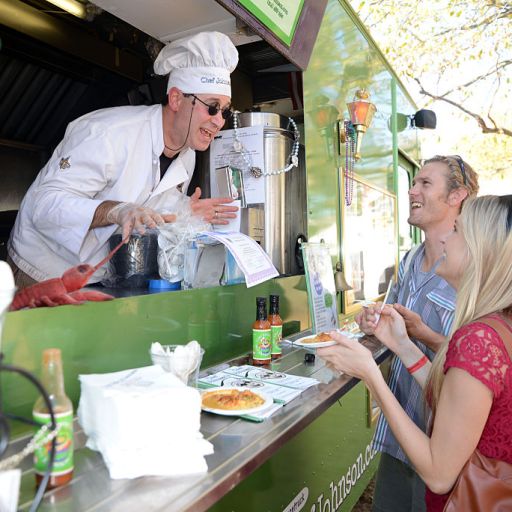
Allow me to paste a new label onto our country’s most-labelled demographic the Millennials: the food truck generation. 47 percent of Millennials have eaten from a food truck, making them the most likely patrons of those mobile establishments that their parents were more apt to refer to as “roach coaches” or “gut trucks.” Food trucks have been around in some form or another for most of the 20th century, but they were more culturally recognizable as fixtures of isolated workplaces like manufacturing plants and construction sites.
Today, food trucks are estimated to be a $2.7 billion industry and have been reappropriated into a younger, more affluent, more urban cultural ethos. The mass migration of Millennials into cities mirrors to some extent the proliferation of the food trucks on those same city street corners. With their DIY sensibility and appealing sort of grubbiness, food trucks cater to younger folks who have come to search for “authenticity” in their brands - or rather products that give the appearance of being “brandless”. So is it that the proclivities of these young hip urbanized eaters have spurred the rise of the gourmet-food-truck phenomenon? Or is there a larger force that has shaped both the landscape of the restaurant industry and Millennial tastes at once?
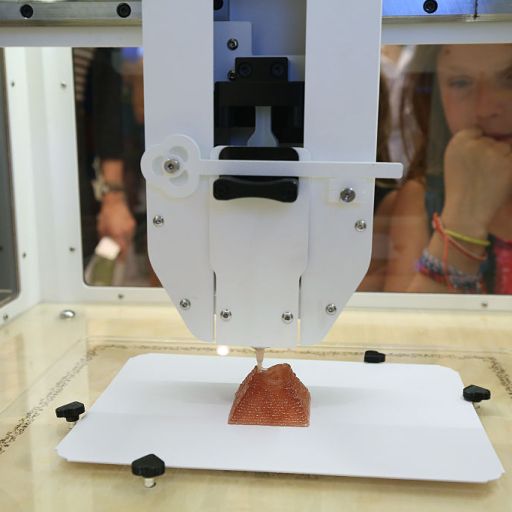
By definition, innovation brings disruption. 3D food printing is converging with the demography and culture of convenience. From fast moving Millennials, to Boomers who seek hassle-free living, 3D food printing may change not just how we eat, but how we buy what we eat. What might the convergence of this new technology and the disruptive demographics of convenience mean for the future of the grocery store?

Many of us balk at the idea of biotech implants as an affront to privacy and good old-fashioned humanity - but what if it could restore your eyesight and prevent Alzheimer's, what then?

What is former President Bill Clinton's election endorsement worth to people who were toddlers or teens during his time in office?

With apps and digital connectivity ruling our lives, the need to physically be somewhere is less urgent. So what does this mean for robotic or driverless cars? Will the Millennial generation's cold shoulder for cars affect the way they cost, look, and hit the market?
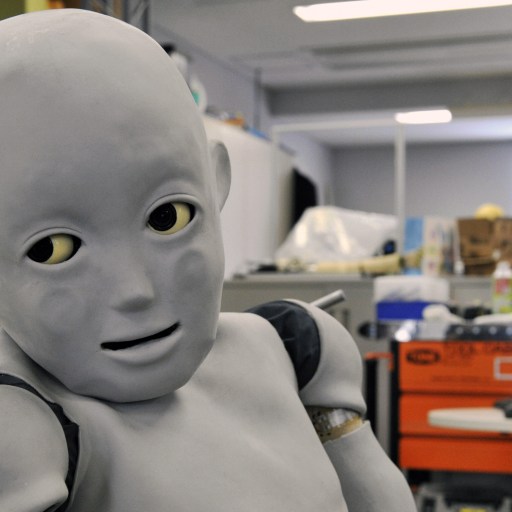
The current buzz is that robots are set to take our jobs – whether we work on the factory floor or the halls of finance. What could possibly be next? Perhaps robots will even replace our children.
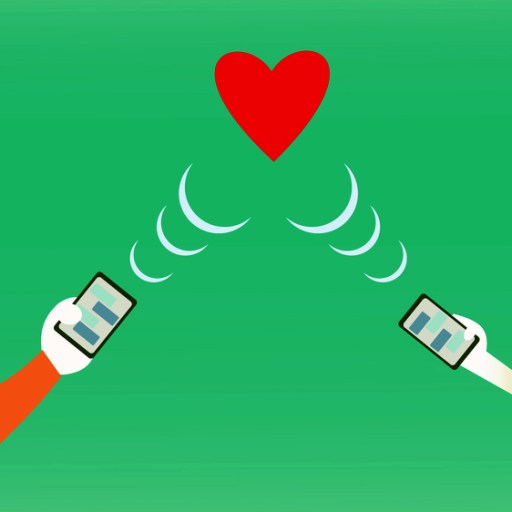
Technology is changing every aspect of life — including how we find love. A recent study conducted by the Pew Research Center indicates that nearly one-third of couples today found each other online.

“If the election for U.S. president were held today, who would you vote for?” Response options included all of the Republican and Democratic candidates in the race at the time, along with options for “Other” and “I would not vote.”
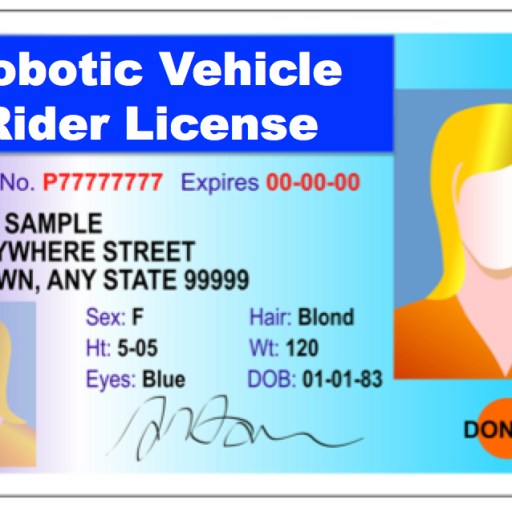
Robotic cars are coming. The IT and automobile industries have the throttle wide open to be the first to get the human out of the loop. The “Google Car” is […]

The values of the sharing economy are nothing new to older demographics.