



Search
Simon Oxenham
The best and the worst of psychology and neuroscience
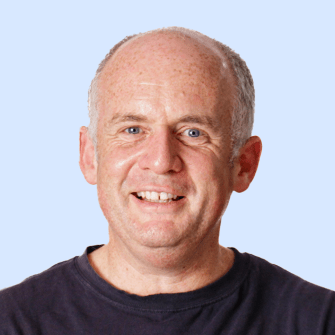
Simon Oxenham covers the best and the worst from the world of psychology and neuroscience. Formerly writing with the pseudonym "Neurobonkers", Simon has a history of debunking dodgy scientific research and tearing apart questionable science journalism in an irreverent style. Simon has written and blogged for publishers including: The Psychologist, Nature, Scientific American and The Guardian. His work has been praised in the New York Times and The Guardian and described in Pearson's Textbook of Psychology as "excoriating reviews of bad science/studies”.
Follow Simon on Twitter
Like Simon on Facebook
Follow Simon on Google+
Subscribe via Email
Subscribe via RSS
Contact Simon directly by Email
Read Less

Police chiefs are banding together to end the war on drugs.
Most teaching textbooks aren't evidence-based according to a new report, so where should teachers go to keep their skills up to date?

Why universities can no longer afford to access the research they created themselves.
The tale of a young man driven to his death for fighting for what is right, and the young woman picking up where he left off.
How one researcher created a pirate bay for science more powerful than even libraries at top universities.
A report from the National Council on Teacher Quality has found teacher-training textbooks aren't based in evidence.

Researchers tested police on major misconceptions about the psychology of policing
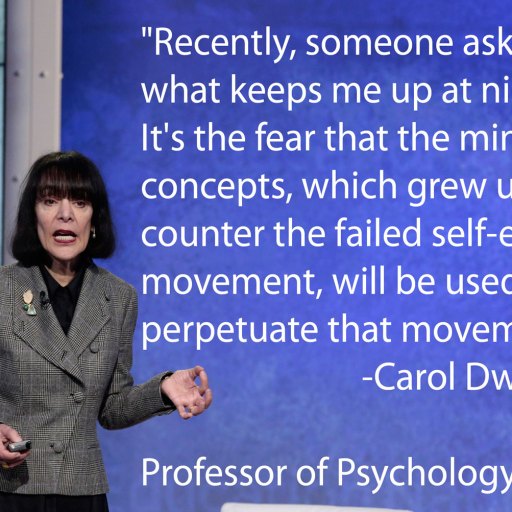
The psychologist who fundamentally changed how teachers talk to children warns her message has been lost in translation.
Watch entertaining reconstructions of classic experiments demonstrating our predisposition toward dishonesty.
The ability to delay gratification is vital for a successful life, and research suggests it is a skill that can be cultivated.

We all make small mistakes, but sometimes journalists report the complete and utter opposite of what a study really found.

How China's new social credit system could lead to an Orwellian future.
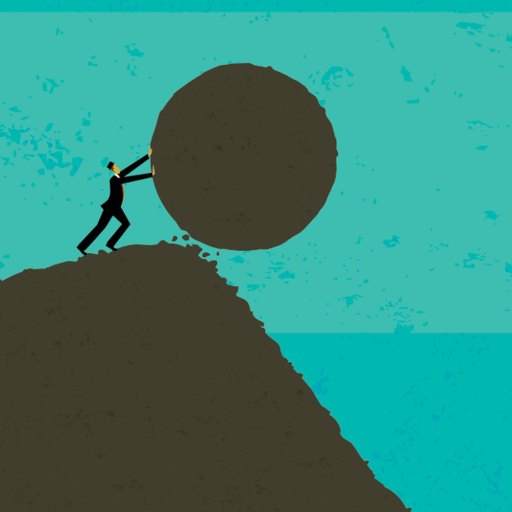
An experiment from the 1920s explains why cliffhangers are so compelling and starting a task is often the most important part.
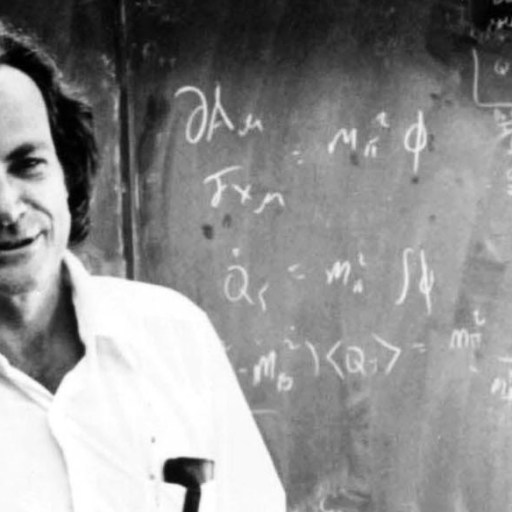
Richard Feynman's method for understanding science can also be used for detecting pseudoscience.
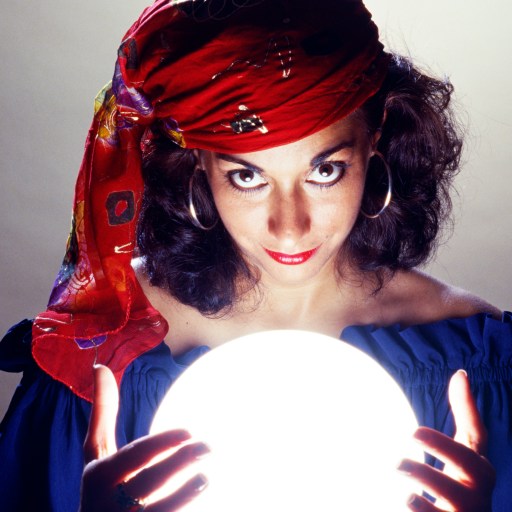
Researchers assessed what makes someone likely to believe collections of randomly mixed buzzwords were "profound."
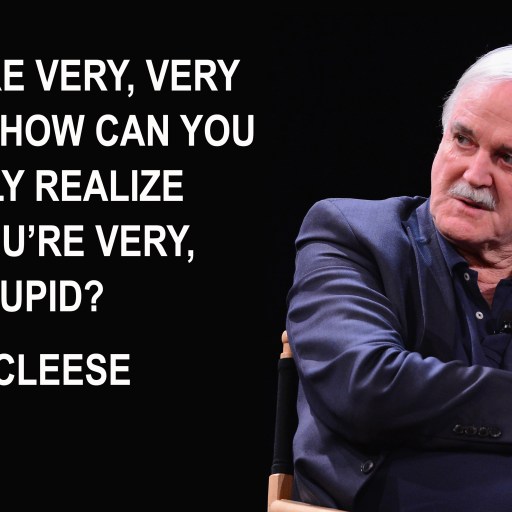
The researcher behind the famed Dunning-Kruger Effect has found expertise can lead us to claim impossible knowledge.

We naturally respond disproportionately to events that frighten us, but to do so is playing into the hands of the terrorists.

An engineering professor at Oakland University has a surprising answer.
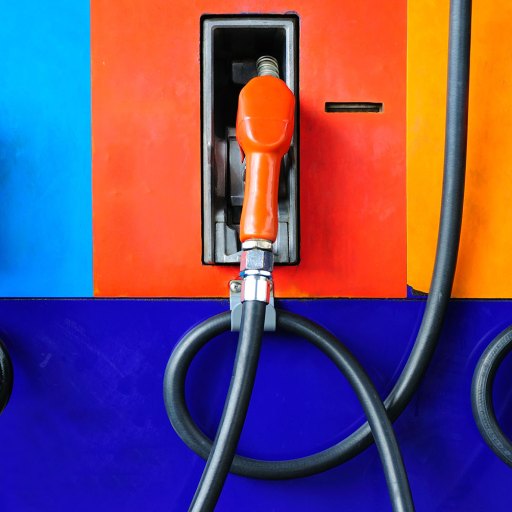
Hotelling's law, a principle from game theory explains the tendency for industries to set up shop right next door to their closest competitor.
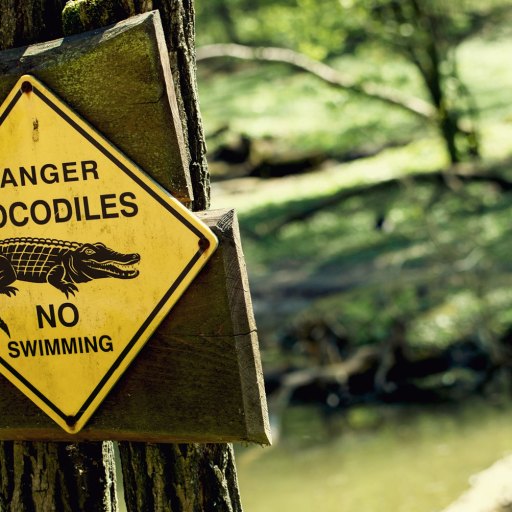
If I were to say that “crocodiles sleep with their eyes closed,” and then a week later ask you if “crocodiles sleep with their eyes open,” what would you say? The answer might surprise you.