















Search
Simon Oxenham
The best and the worst of psychology and neuroscience
Simon Oxenham covers the best and the worst from the world of psychology and neuroscience. Formerly writing with the pseudonym "Neurobonkers", Simon has a history of debunking dodgy scientific research and tearing apart questionable science journalism in an irreverent style. Simon has written and blogged for publishers including: The Psychologist, Nature, Scientific American and The Guardian. His work has been praised in the New York Times and The Guardian and described in Pearson's Textbook of Psychology as "excoriating reviews of bad science/studies”.
Follow Simon on Twitter
Like Simon on Facebook
Follow Simon on Google+
Subscribe via Email
Subscribe via RSS
Contact Simon directly by Email
Read Less

Fellow pseudonymous neuroblogger Neuroskeptic(to whom I owe a great deal in inspiration) has published a fantastic piece in Trends in Cognitive Sciences ($) on the benefits to science of anonymity. Last November Neuroskeptic became […]

First things first – I’m not a doctor, but the surprise new rules issued by the GMC (the British regulator for doctors) still worry me. Not just because I might perhaps one day […]

In the 1960’s Stanley Milgram introduced the lost letter technique which had a notable impact on the field of social psychology (unfortunately the original paper is still paywalled even though […]

Update: Following the publication of this post and all of your thoughtful responses, the Big Think editors have decided to discontinue the Big Think’s relationship with Kanazawa. This is a response […]
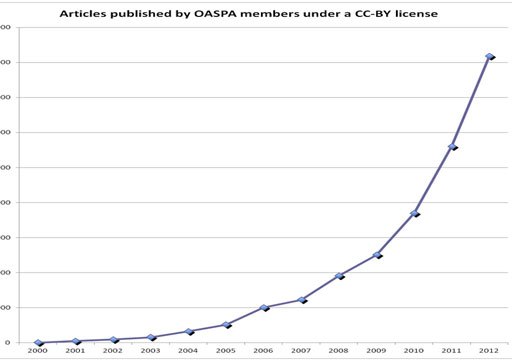
There has been a lot of tragically depressing news regarding academic copyright recently. Aaron Swartz committed suicide after being hounded for downloading academic papers and now Indian students are being denied access […]

Autism is a complex phenomenon with an extremely broad spectrum of effects that vary in every individual, a new interactive simulator aims to provide only a hint at what it is like […]

There has been much chatter recently about the new found potential of “big data”. Google NGram for example, tracks usage of words in books and Google Flu Trends does what it says on the […]