











Search
Philosophy
Examine life’s biggest questions, from ethics to existence, with curiosity and critical thinking.
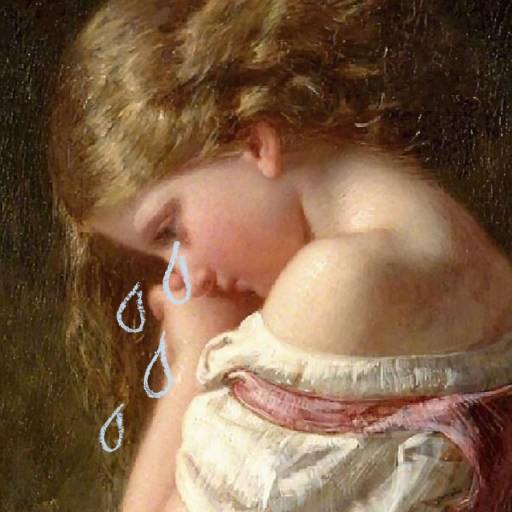
In this excerpt from "When Everyone Knows That Everyone Knows…," Steven Pinker examines how crying may have evolved as part of a suite of emotional expressions aimed at strengthening social bonds.
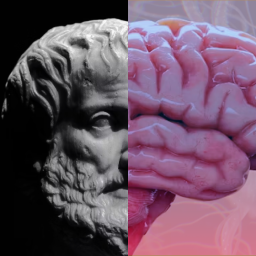
Neuroscientist Rachel Barr shares her favorite books on the brain and how they shaped her approach to the field.

Just because a paper passes peer review doesn't mean that what's written, or what the author asserts, is true. Here's why it still matters.

We don't learn from history because we can't learn from history.

Questions about our origins, biologically, chemically, and cosmically, are the most profound ones we can ask. Here are today's best answers.
The fear of unleashing forces beyond control has haunted science for centuries.

The red planet, Mars, may once have been teeming with life, just as Earth is today. Finding "organics" on Mars, however, doesn't mean life.