










Search

Our mission is to answer the biggest questions of all, scientifically.
What is the Universe made of? How did it become the way it is today? Where did everything come from? What is the ultimate fate of the cosmos?
For most of human history, these questions had no clear answers. Today, they do. Starts With a Bang, written by Dr. Ethan Siegel, explores what we know about the universe and how we came to know it, bringing the latest discoveries in cosmology and astrophysics directly to you.
Read Less
with
Ethan Siegel
Ethan Siegel is an award-winning PhD astrophysicist and the author of four books, including The Grand Cosmic Story, published by National Geographic.
Full Profile

Groupthink in science isn’t a problem; it’s a myth
Scientists are notoriously resistant to new ideas. Are they falling prey to groupthink? Or are our current theories just that successful?
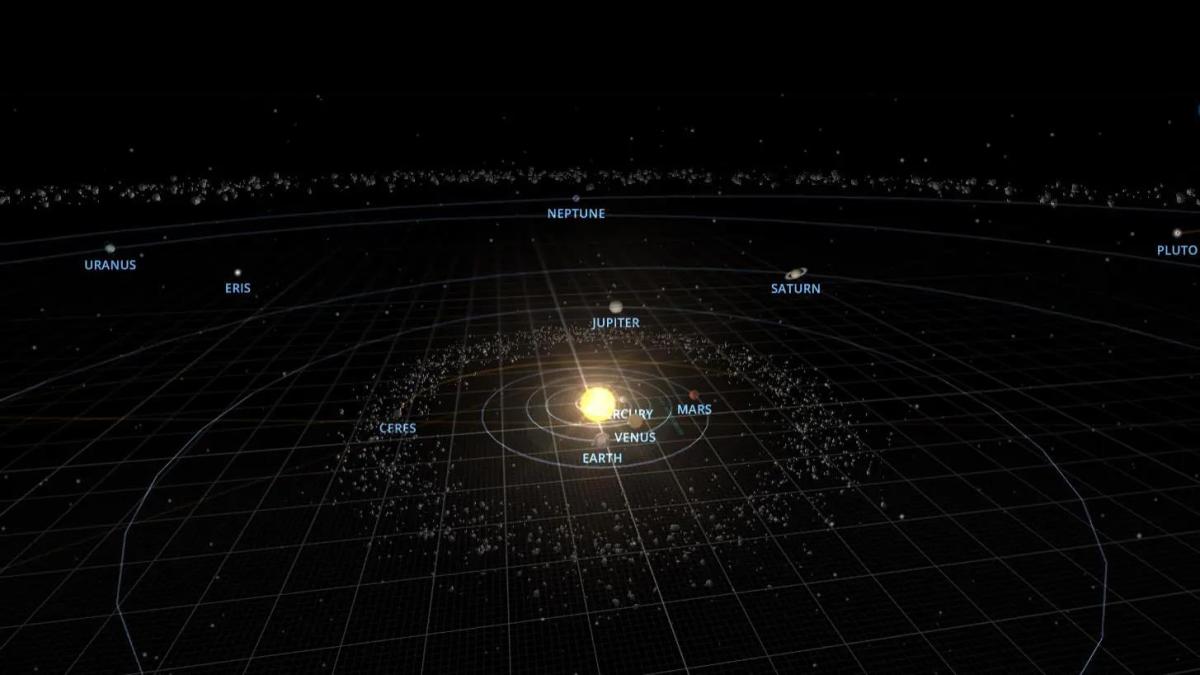

For thousands of years, humanity had no idea how far away the stars were. In the 1600s, Newton, Huygens, and Hooke all claimed to get there.
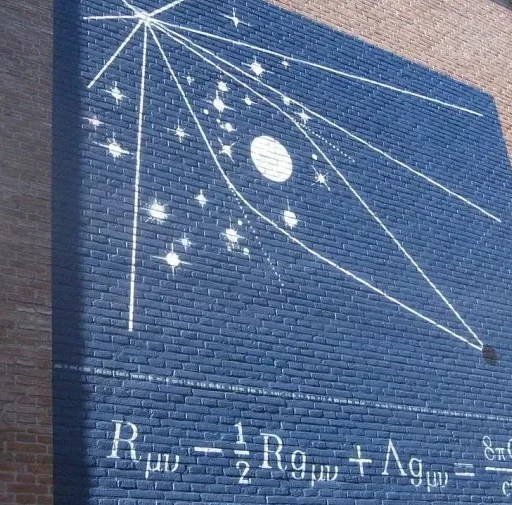
Although many of Einstein's papers revolutionized physics, there's one Einsteinian advance, generally, that towers over all the rest.
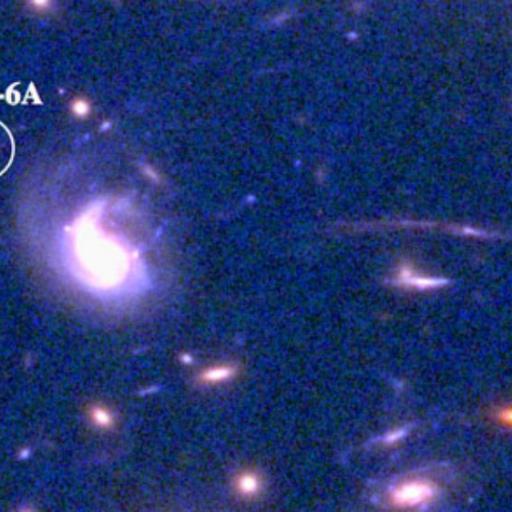
Beyond the planets, stars, and Milky Way lie ultra-distant objects: galaxies and quasars. Here's how far back we've seen throughout history.
It's not about particle-antiparticle pairs falling into or escaping from a black hole. A deeper explanation alters our view of reality.
Although early Earth was a molten hellscape, once it cooled, life arose almost immediately. That original chain of life remains unbroken.

The Earth that exists today wasn't formed simultaneously with the Sun and the other planets. In some ways, we're quite a latecomer.
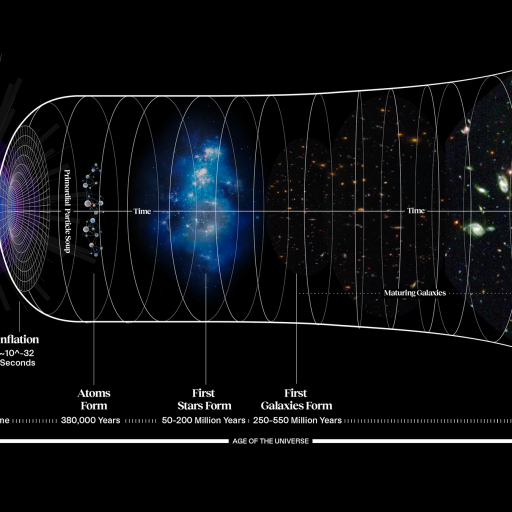
The Universe didn't begin with a bang, but with an inflationary "whoosh" that came before. Here are the biggest questions that still remain.