



Search

Our mission is to answer the biggest questions of all, scientifically.
What is the Universe made of? How did it become the way it is today? Where did everything come from? What is the ultimate fate of the cosmos?
For most of human history, these questions had no clear answers. Today, they do. Starts With a Bang, written by Dr. Ethan Siegel, explores what we know about the universe and how we came to know it, bringing the latest discoveries in cosmology and astrophysics directly to you.
Read Less
with
Ethan Siegel
Ethan Siegel is an award-winning PhD astrophysicist and the author of four books, including The Grand Cosmic Story, published by National Geographic.
Full Profile
Groupthink in science isn’t a problem; it’s a myth
Scientists are notoriously resistant to new ideas. Are they falling prey to groupthink? Or are our current theories just that successful?
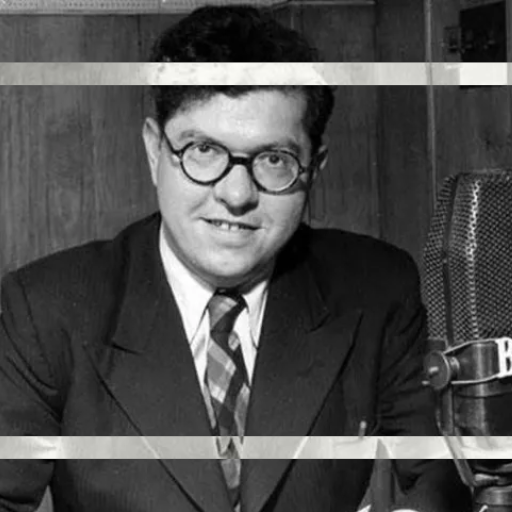
To Fred Hoyle, the Big Bang was nothing more than a creationist myth. 75 years later, it's cemented as the beginning of our Universe.
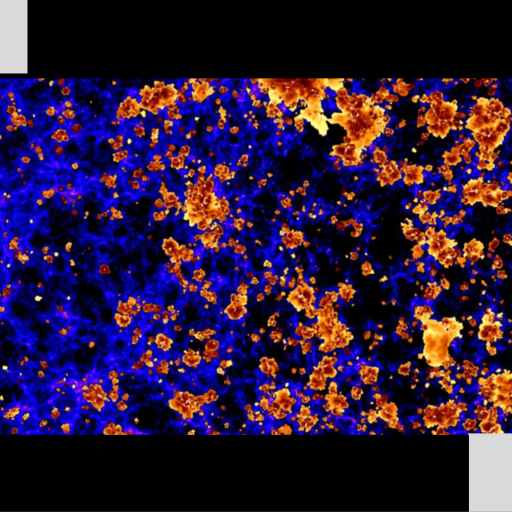
JWST has puzzled astronomers by revealing large, bright, massive early galaxies. But the littlest ones pack the greatest cosmic punch.
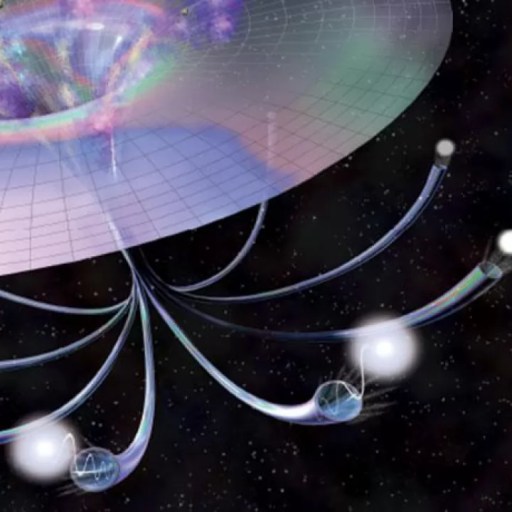
When cosmic inflation came to an end, the hot Big Bang ensued as a result. If our cosmic vacuum state decays, could it all happen again?
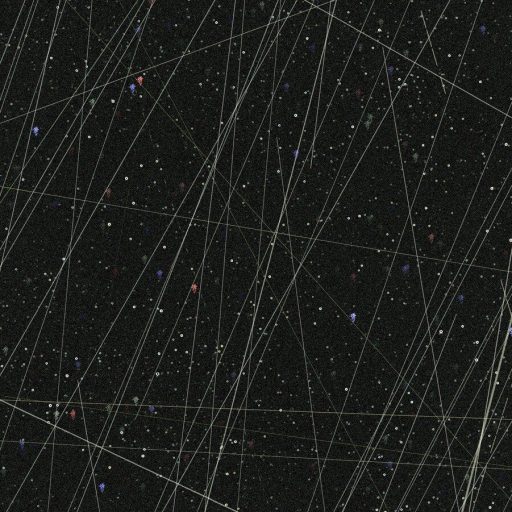
In 1957, humanity launched our first satellite; today's number is nearly 10,000, with 500,000+ more planned. Space is no longer pristine.
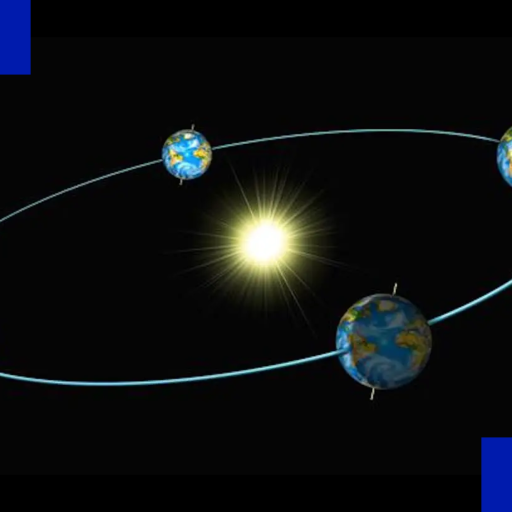
Leap day only comes once every four years, including in 2024. But the reason we have it, including when we do and don't, may surprise you.
There are many problems with relying on SAT and ACT scores for college admissions. But removing them entirely creates less opportunity.
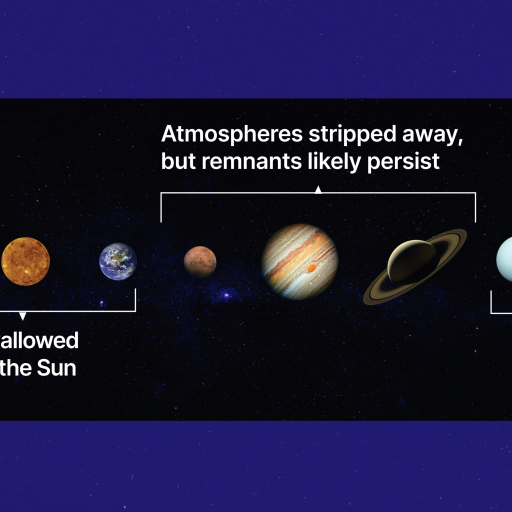
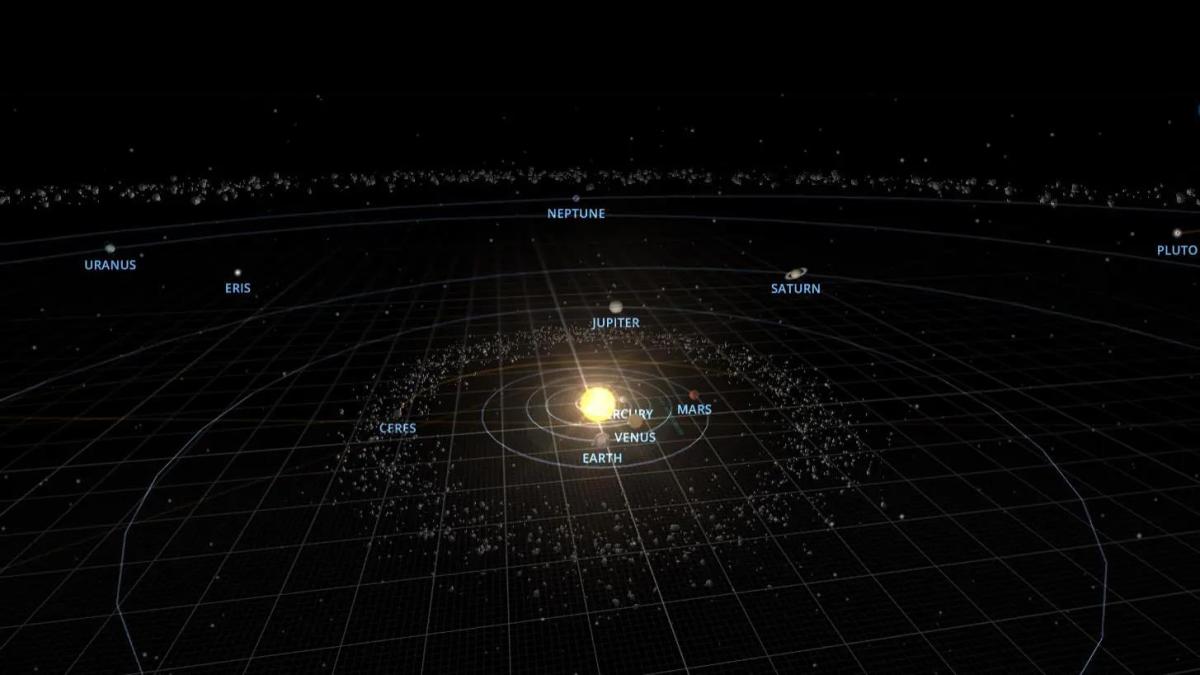
For now, our Solar System's eight planets are all safe, and relatively stable. Billions of years from now, everything will be different.