











Search
Inclusion
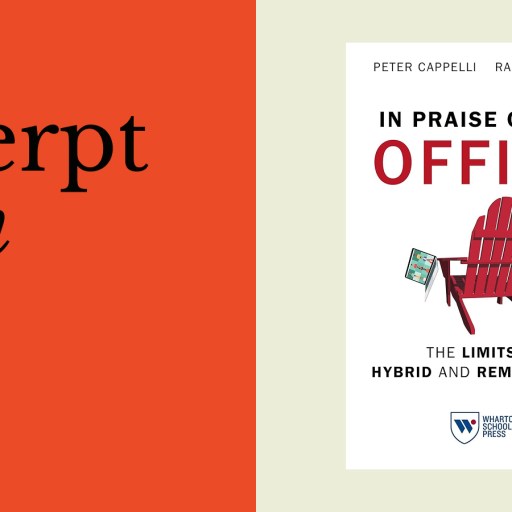
How to foster a workplace environment where employees want to be present, rather than feel forced to be there.

Members
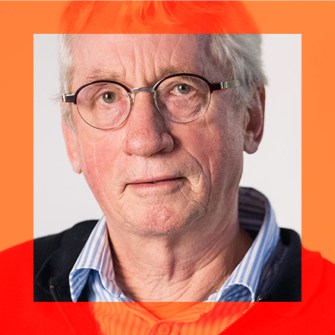
The decades-old movement to diversify workplaces has yielded mixed results, as NYU Law professor Kenji Yoshino suggests that companies often impose restrictive definitions of diversity, and advocates for fostering connections with those who feel pressured to suppress their identities for acceptance.
Members
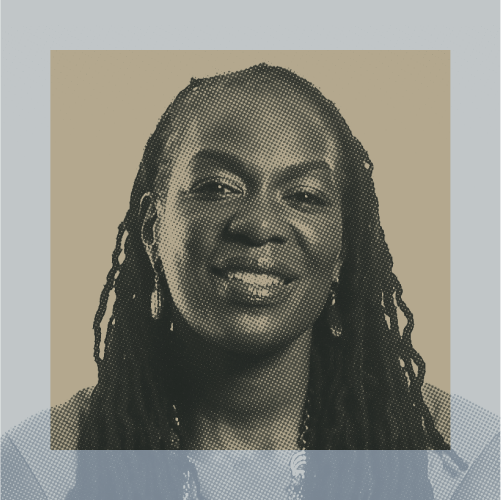
Negative stereotypes, whether conscious or unconscious, harm individuals by fostering feelings of exclusion that can diminish their concentration, authenticity, and overall performance at work, as noted by Columbia University psychologist Valerie Purdie-Vaughns Greenaway.

Members
Professor Valerie Purdie Greenaway highlights that while overt discrimination receives attention, subtle, unintentional biases can be equally or more harmful, yet everyone has the ability to recognize and address these biases.

Members
Cultivating diversity, equity, and inclusion in the workplace is complex due to individual identities and biases, but inclusion specialist Ruchika Malhotra emphasizes that those in power should leverage their privilege to create opportunities for underestimated groups, while all employees can foster a more inclusive culture.

Members
Led by experts like Angie McArthur and Ginni Rometty, this class teaches relational intelligence through lessons on empathy, conflict resolution, and self-awareness, emphasizing the importance of respectful communication and vulnerability in transforming challenging interactions into collaborative opportunities.

Members
This class teaches participants to actively engineer professional networks for career development, offering strategies from experts like Christakis, Hidary, and Grant to build meaningful connections, leverage social dynamics, and foster mutually beneficial relationships.
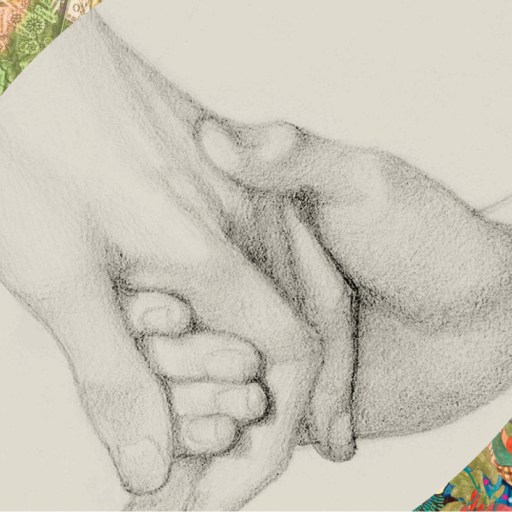
Sikh American scholar and historian Simran Jeet Singh on helping kids imagine — and create — a more empathetic world.
John Templeton Foundation