philosophy
The top priority was to maintain the agenda.

The great Chinese philosopher offers a durable and practical blueprint for harmonizing with our work colleagues.

Sixty years ago, a little-known philosopher challenged how science understands life. His perspective is finding new relevance in the age of artificial intelligence.
In this excerpt from The Laws of Thought, Tom Griffiths shares how George Boole developed a mathematical theory of logic.
How many stupid acts does it take to make a person stupid?
Moltbook is a social media site built for conversation — but not for humans.
The Stoic philosopher argued that most of life is outside our control — but the little we do control defines who we are.
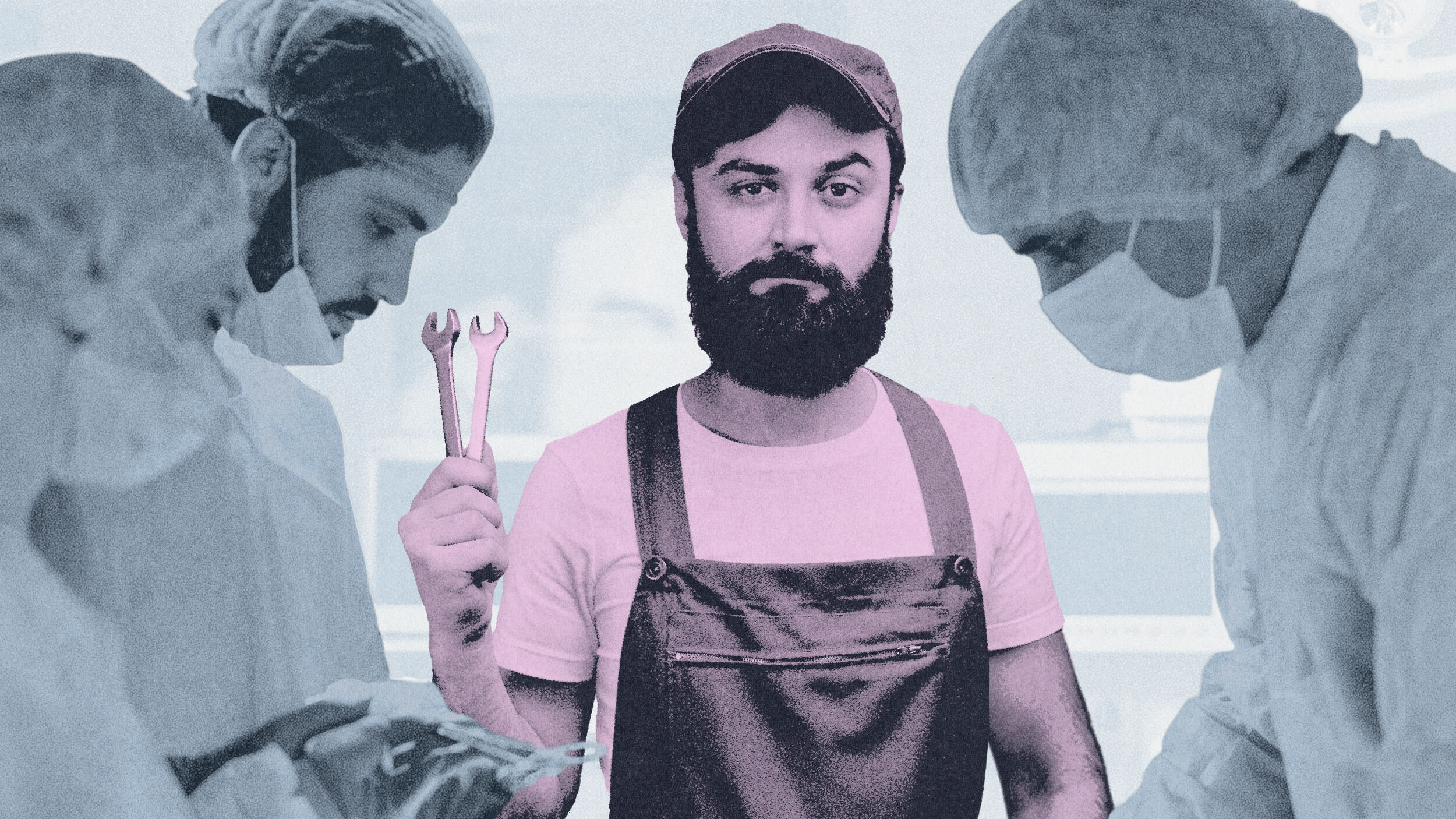
Not all knowledge carries over.

Today, nostalgia is somewhat kitsch. Back then, it was something to be feared.
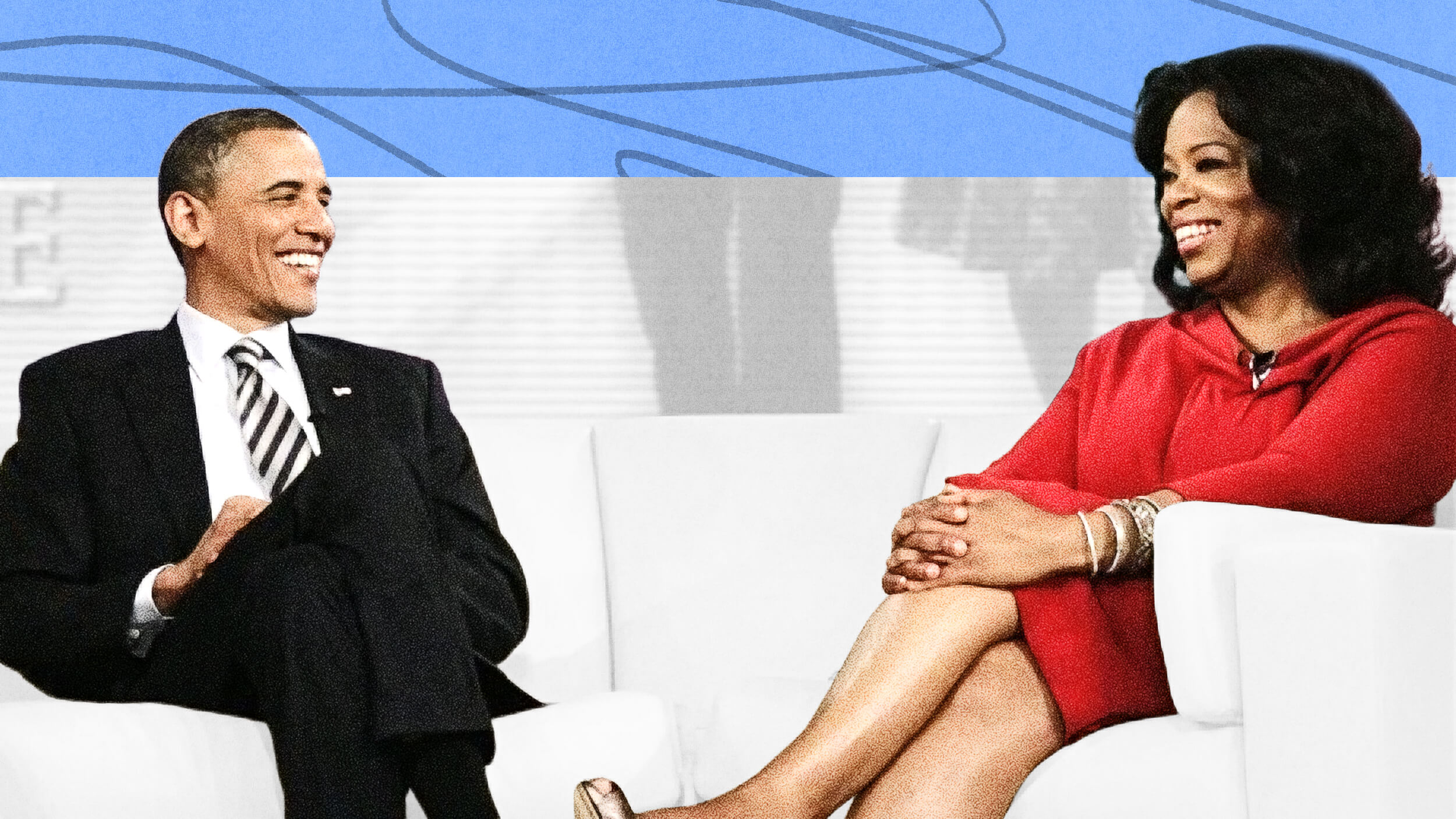
People don’t want you to buy their stories — they want you to listen to them.
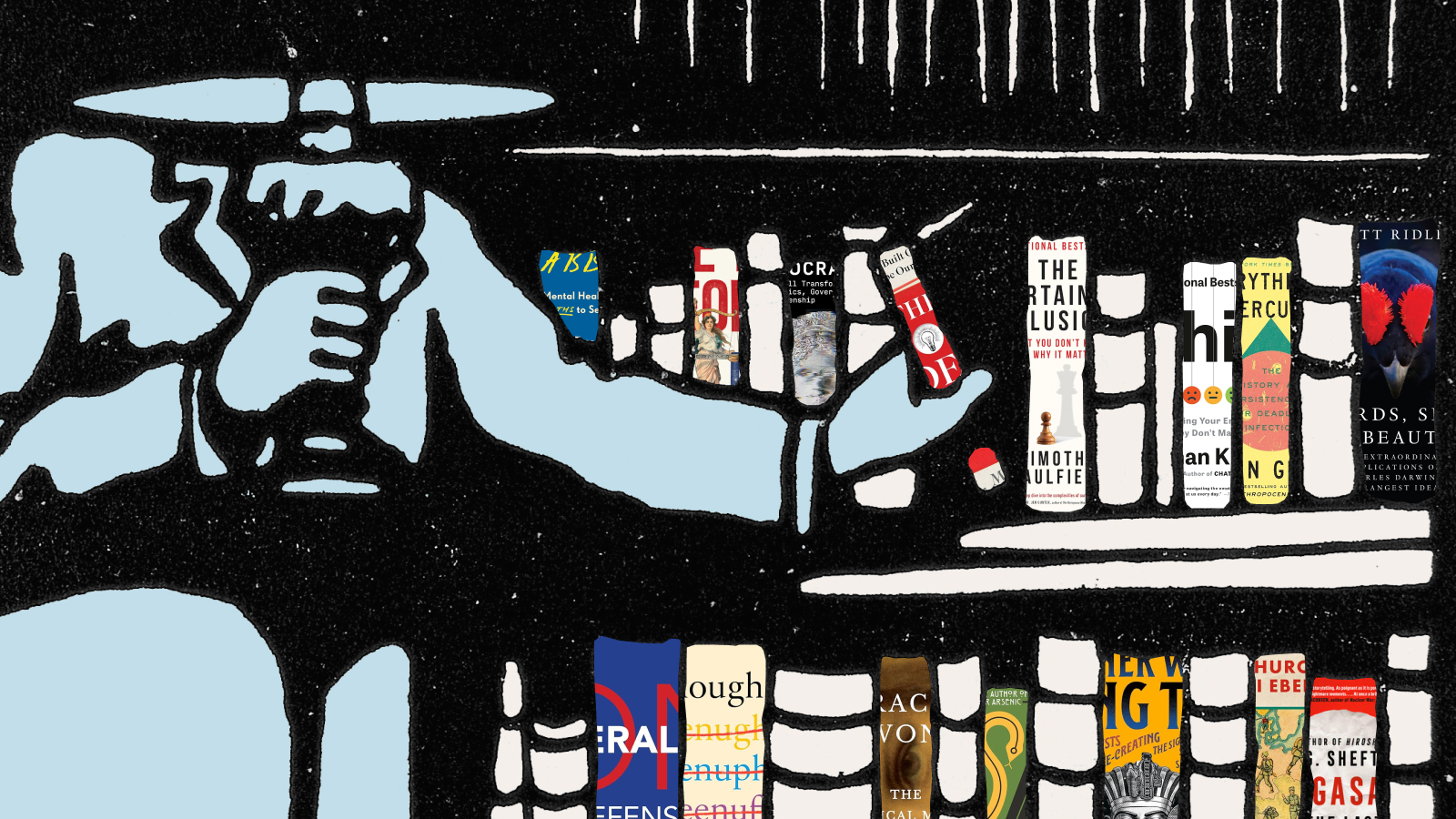

Perhaps the most remarkable fact about the Universe is simply that it, and everything in it, exists. But what’s the reason why?

We think of physical reality as what objectively exists, independent of any observer. But relativity and quantum physics say otherwise.
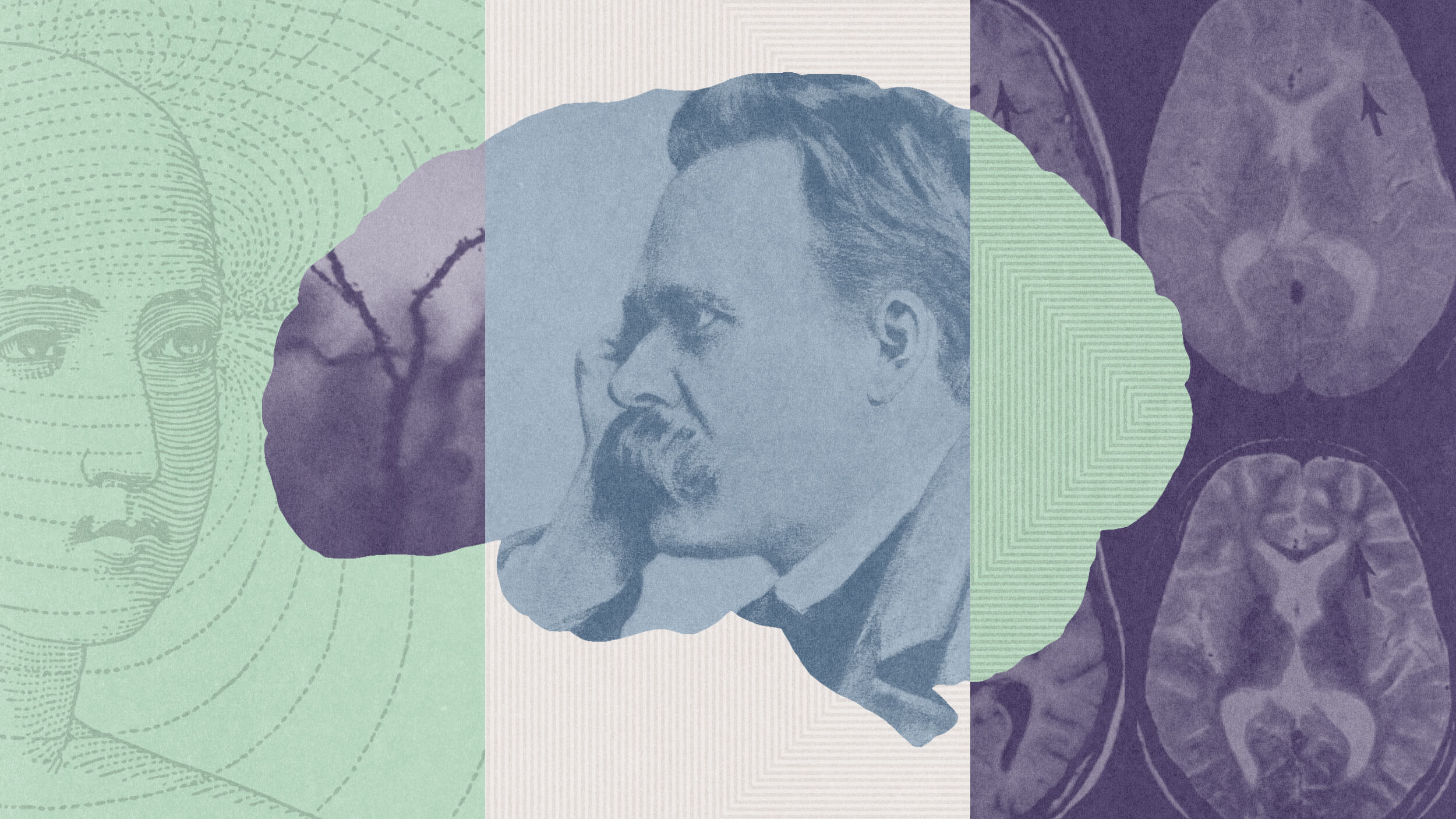
Neuroscience isn’t dissolving philosophy’s hardest problems — it’s forcing us to rethink where they live.

Welcome to The Nightcrawler — a weekly newsletter from Eric Markowitz covering tech, innovation, and long-term thinking.


As we crank up our search for more powerful AI, maybe we should slow down and reimagine the shape and language of intelligence itself.

Welcome to The Nightcrawler — a weekly newsletter from Eric Markowitz covering tech, innovation, and long-term thinking.

Pleasure is never bad — but its source can be.

Welcome to The Nightcrawler — a weekly newsletter from Eric Markowitz covering tech, innovation, and long-term thinking.
The technology might be much closer than you’d think.
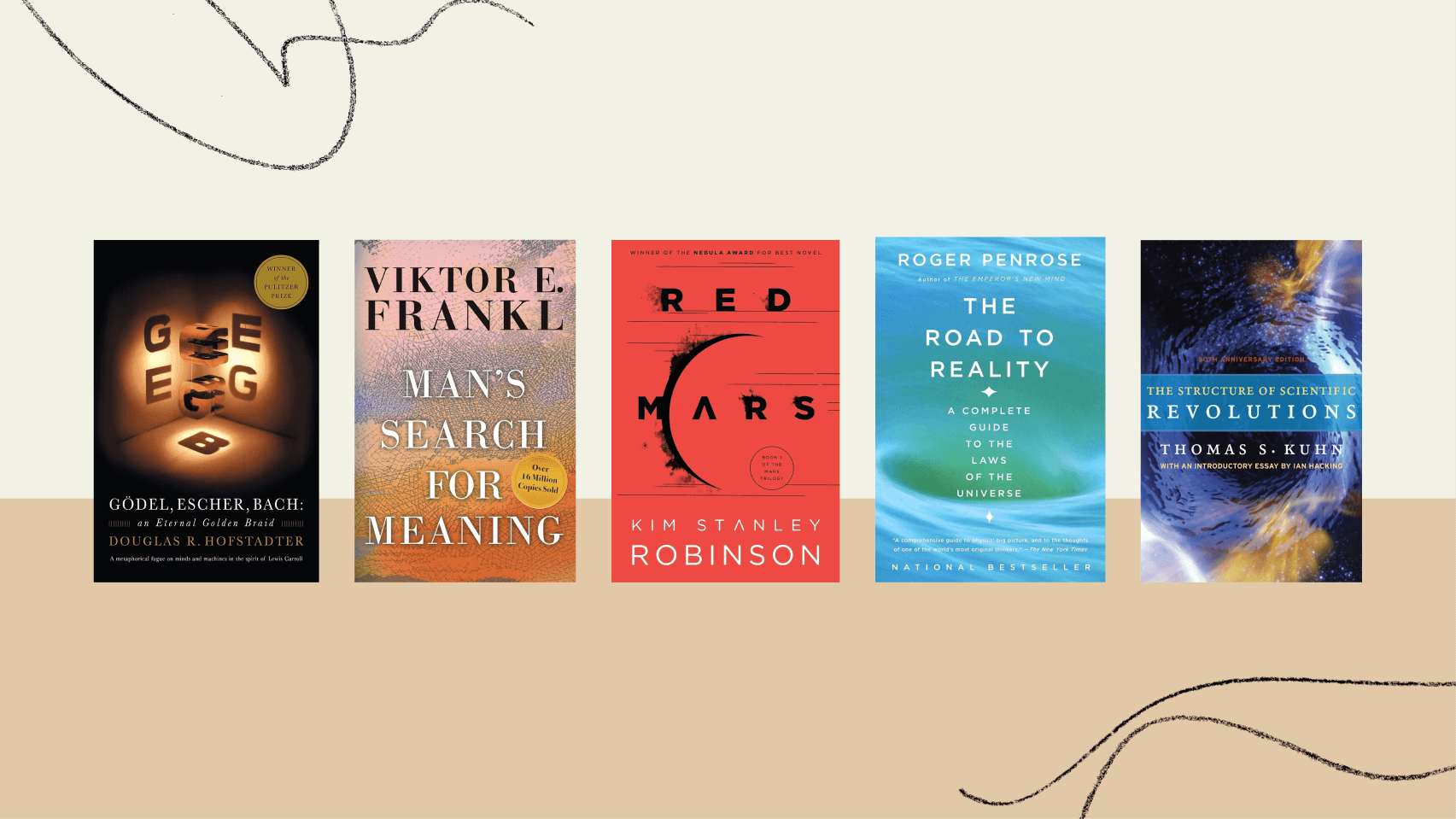
These expert-recommended books reveal how big ideas can shape — and sometimes redefine — human progress.
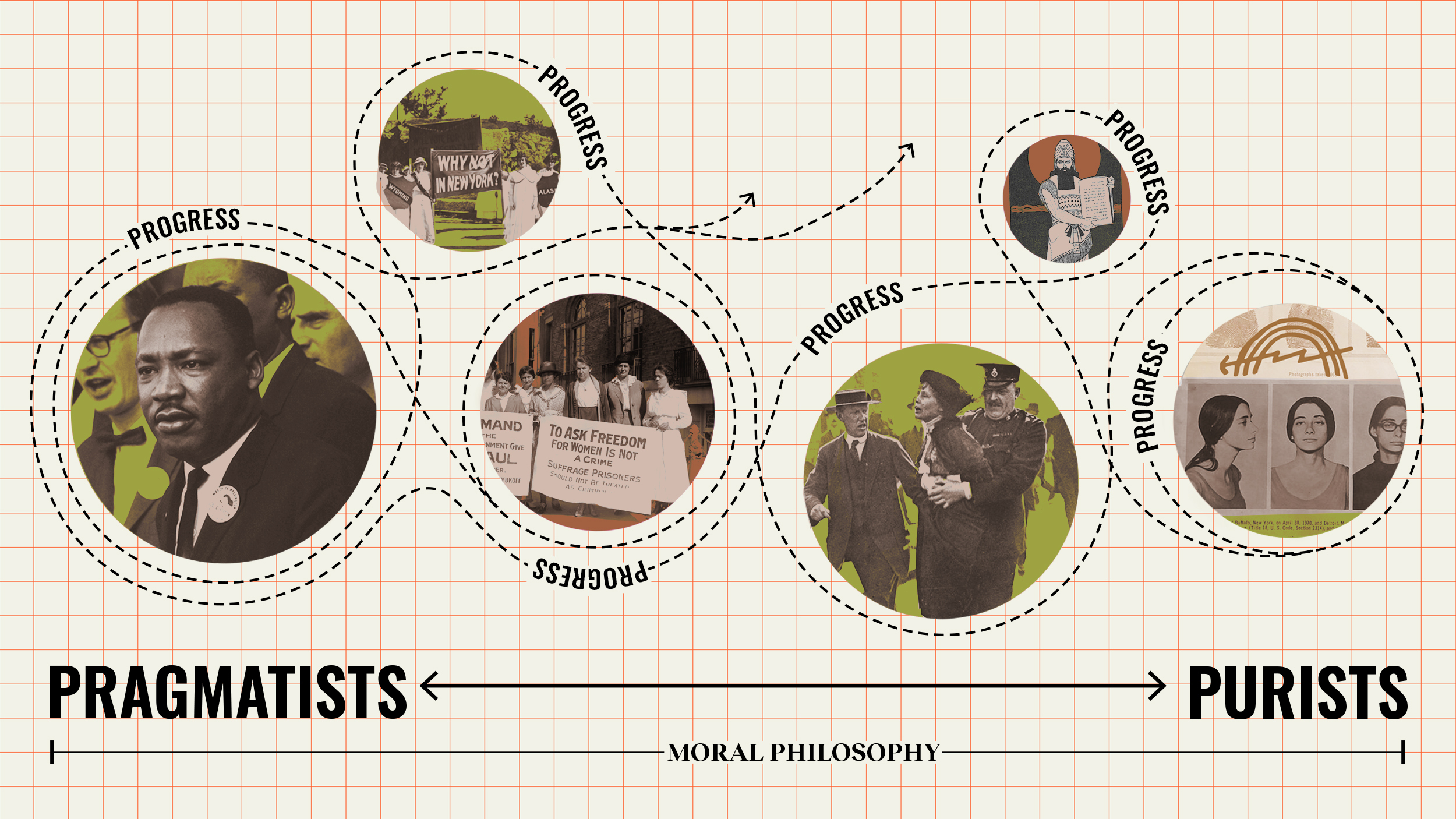
History shows that progress often depends on activists at both ends of the spectrum.
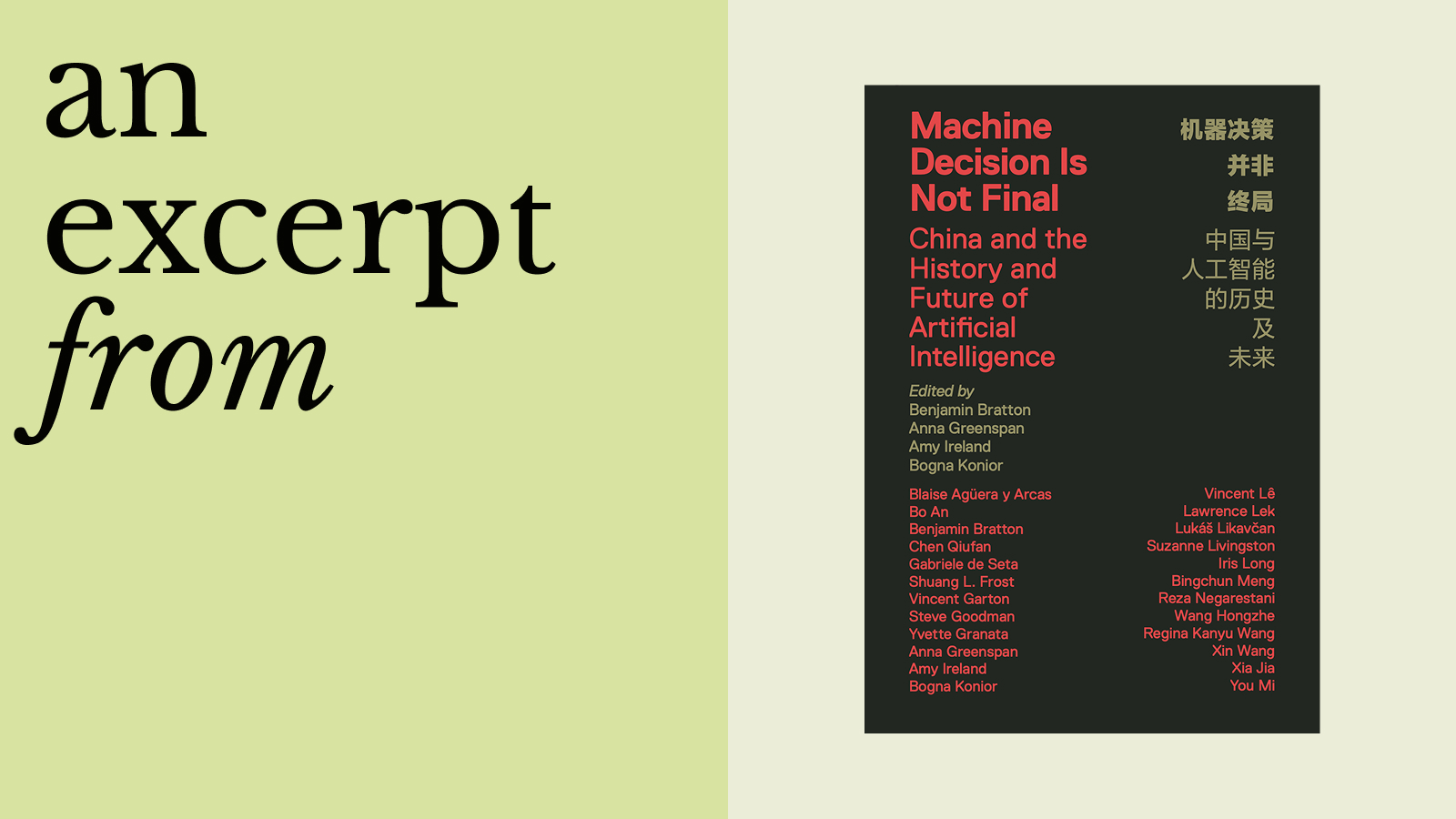
Leaders in China hope that AI and robotics can finally resolve the flaws of a centralized planned economy. But US technoculture has an edge.

When a word comes to mean everything, it means nothing.

In a world of fast answers, leadership shaped by suffering is radical — and transformative.

“Our ultimate goal, after all, is not a good death but a good life to the very end.”

Ryan Holiday on why wisdom depends on failure, experimentation, and the courage to admit when we’re wrong.

Former tech founder Scott Britton wants to shatter the binary myth that separates driving ambition from inner development.