2025 was packed with amazing books. Whether you wanted to learn about physics, history, words, birds, words about birds, killer chemistry, or enjoy some armchair philosophy, there was a book for you. I read so many fantastic books that I struggled to keep the list down to 10 — which is why it’s actually 15 (despite the title). I also couldn’t bring myself to rank them, so they’re ordered by release date.
What can I say? I’m horribly indecisive.
If you haven’t read some of these yet, I recommend picking up any that speak to you. Who knows? Maybe one will be a favorite of yours in 2026.
1. The Certainty Illusion by Timothy Caulfield
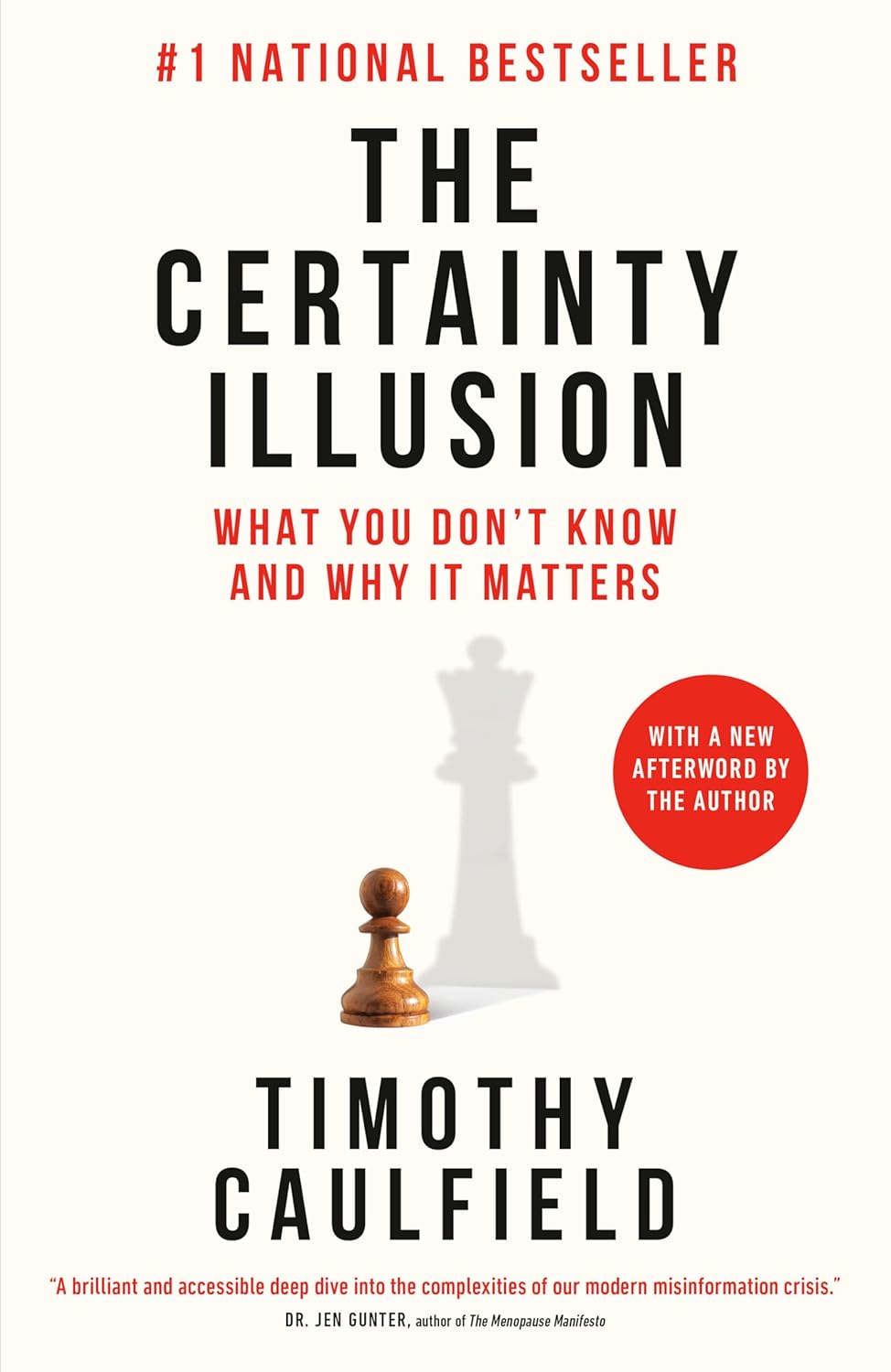
As a leading science communicator, Caulfield believes that “well done and trustworthy science” helps us make sense of our reality. He’s right; unfortunately, the success of science has made it a prime target for grifters, who distort its language and findings to sell all manner of products, brands, and ideologies. Caulfield calls this “scienceploitation,” and his 2025 book reveals how science is corrupted in our “chaotic information ecosystem.”

What I appreciate about The Certainty Illusion is that it isn’t a simple screed against the status quo, but a (kind of) self-help book that shows readers how to better guard against hype and overpromises.
“[The book] speaks to the idea of a body of evidence [and] scientific consensus,” Caulfield told Big Think. “It’s not a memo that comes from the Star Chamber or big pharma or biotech. It’s messy. It’s contested. It’s always evolving. It’s thousands of independent studies kind of pointing in a particular direction. The world needs more scientific literacy on those topics and the inherent nature of how messy [and difficult] science is.”
2. Shift by Ethan Kross
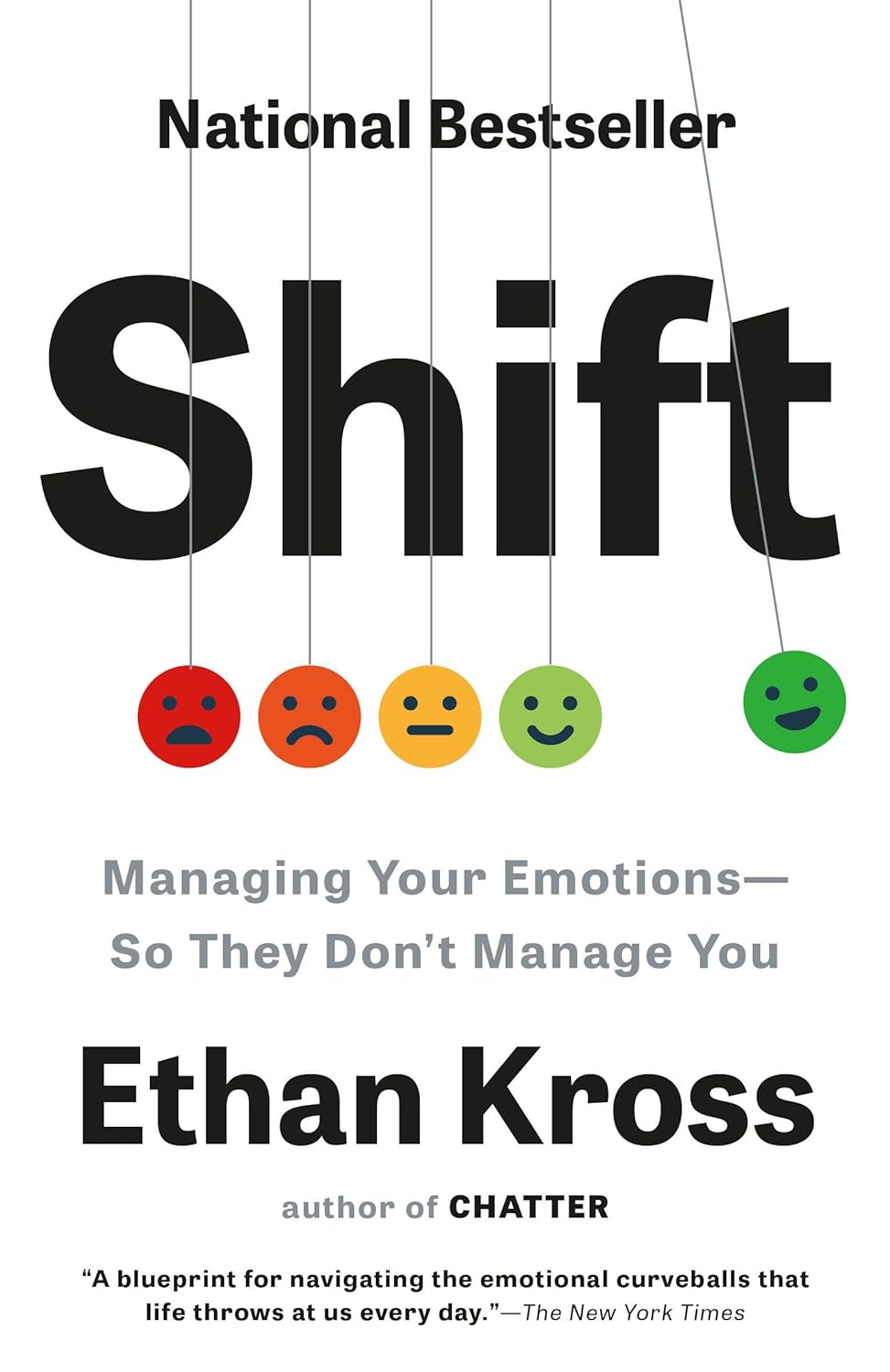
Kross’s first book, Chatter (2021), examines our inner voices and how we might quell the devil sitting on our shoulders to give our cognitive angels a chance to speak up. His follow-up book dives deeper into how we can better manage our emotions — not by ignoring certain ones but by learning to shift between them appropriately so they work toward our goals rather than against them.
I love this book for two reasons. First, Kross gives our emotional devils their due. Rather than treating dark emotions as signals of failure, he asks readers to accept them as a natural and necessary part of being human. Second, he avoids trite, one-size-fits-all solutions to complex problems. Instead, the book encourages readers to experiment and discover what helps them best come to terms with their emotional lives.
As Kross told me in an interview: “If you understand the calculus, if you understand the little switches or shifts that can push you in different directions, it gives you lots of opportunity to be more agentic about steering your emotions and yourself where you want them to be. Let’s not work against the machine that is who we are in terms of how our emotions are calibrated. Let’s work more skillfully with it.”
3. Everything Is Tuberculosis by John Green
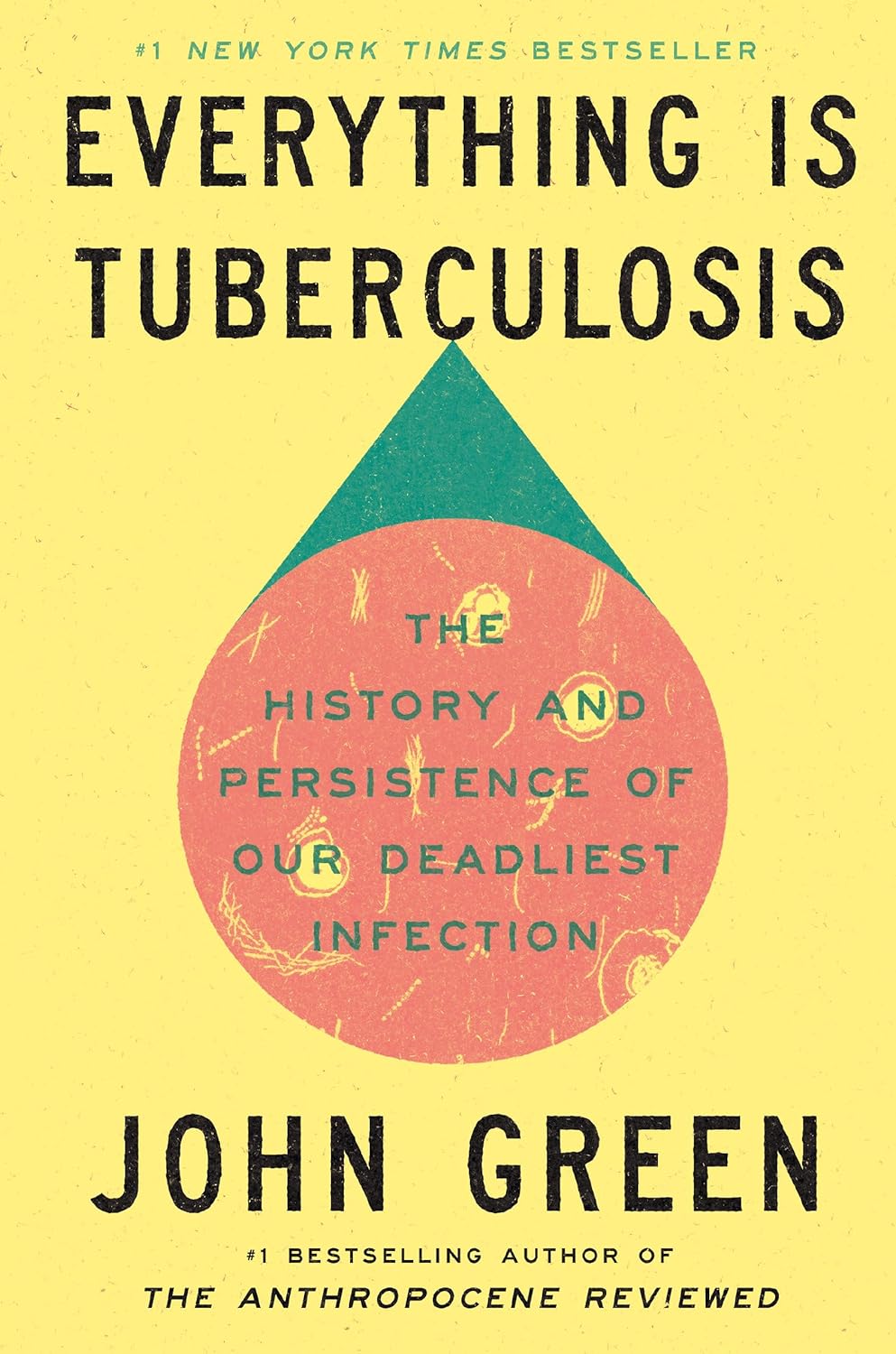
In the 18th century, 1 in every 100 Londoners died of tuberculosis, and the toll wasn’t much better anywhere else in the world. Today, thanks to germ theory and antibiotics, wealthy nations associate the disease more with Victorian novels and history books than with actual plague. Yet, as Green shows in his latest book, tuberculosis remains a leading killer, taking more lives than “malaria, typhoid, and war combined.”
“To write about a topic like [tuberculosis] is difficult because you see just how unfair it is,” Green told Big Think. “We can treat and cure the disease, and the fact that we fail to do so is a huge stain on humanity.”
While the science and history are interesting, it is ultimately Green’s commitment to change, paired with his affable style, that makes this one of 2025’s best.
“If I respond [with] despair, I’m in some ways disempowering myself and disempowering humanity because we can make change for the better,” Green said. “It’s not wrong to feel despair, but we have to remember that to be alive is to be in hope.”
4. Birds, Sex, and Beauty by Matt Ridley
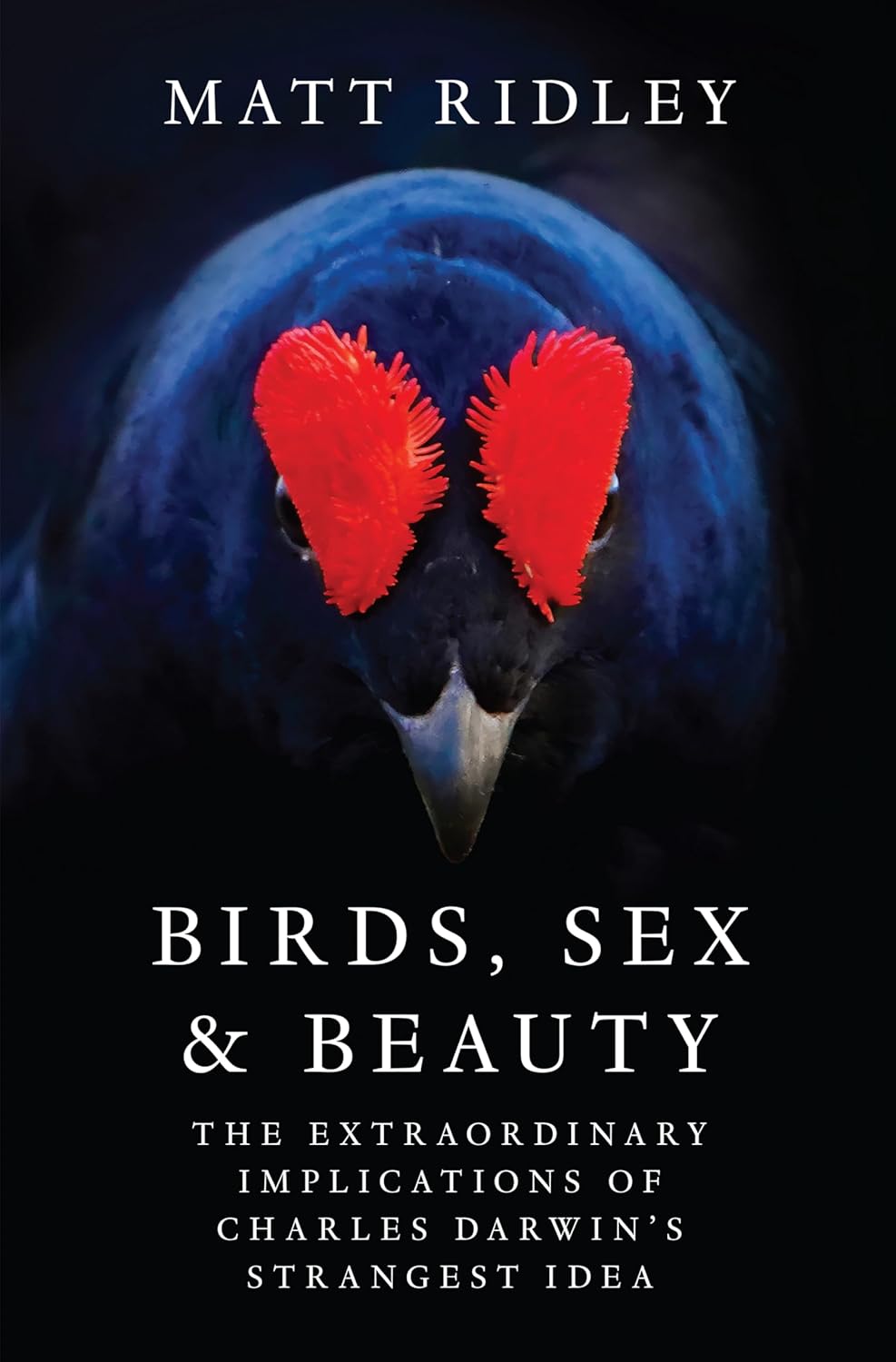
Anyone with a passing understanding of biology and evolution knows Herbert Spencer’s pithy phrase “the survival of the fittest.” No, Darwin didn’t coin it, but it did come to represent his idea of natural selection. But there’s another, underappreciated side to Darwin’s theory of evolution that doesn’t receive as much press: sexual selection. Ridley’s new book aims to give mate-choice its due.
“The whole point of ‘survival of the fittest’ is that you’ve got to be tough and serious and boring and careful and cautious,” Ridley said in an interview. “Whereas, [sexual selection] says, ‘No, let’s have fun. Let’s be bright red. Let’s make a bird disappear into a weird shape. Let’s make it collect art. Let’s grow a very long tail.’ There’s something here finding new ways of doing things.”
If you have any interest in evolution, this is a must-read. Ridley’s love of birds and all they can teach us about how species developed is catching, and his playful style also shines — offering, for instance, his own pithy phrase to represent sexual selection: “seduction of the hottest.” Some of his claims may be controversial, but they are worth thinking about, and Ridley always presents them not as the end but the beginning of the conversation.
“We shouldn’t neglect [sexual selection] because it’s the one evolutionary mechanism we know that produces a sudden expansion in organs in quite surprising directions,” Ridley adds. “[Why did] the human brain size suddenly get bigger? Why isn’t the world full of creatures with big brains? What was it about human society that made a big brain advantageous? Possibly, it was a mate-choice thing.”
5. Enough Is Enuf by Gabe Henry
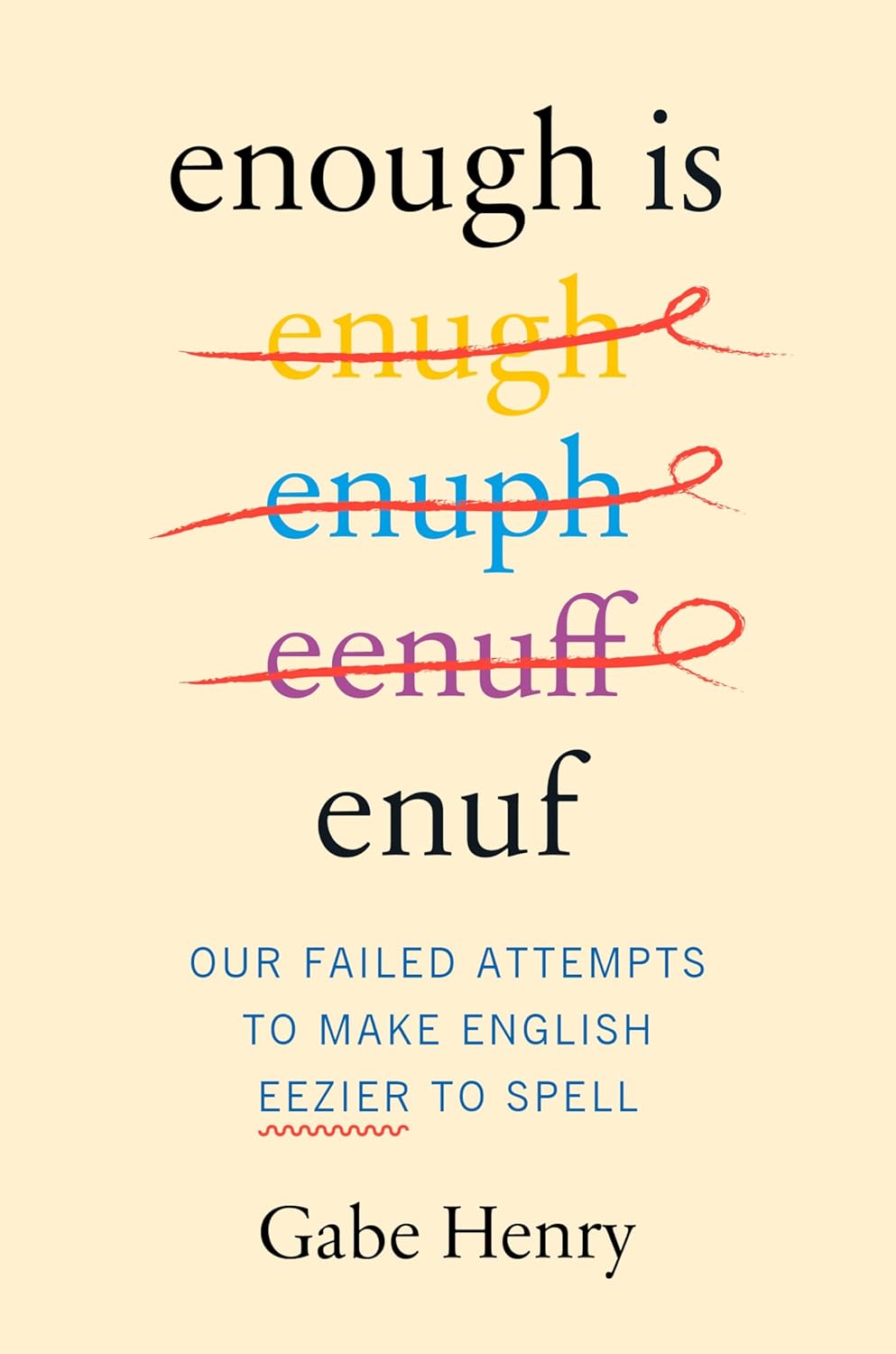
Confession time: I make my living as an editor and writer, yet I am constantly mispelling (misspelling?) words. I can’t wrap my head around our unwieldy script and will forever be in awe of non-native speakers who master English writing. If you’re like me, you’ve probably asked why no one has bothered to make spelling more sensible in the last, say, 300 years. Turns out, many have.
Henry’s book is a history of those efforts, and surprisingly, some of the biggest names in American history are among its players. Spelling reform advocates have numbered Benjamin Franklin, Andrew Carnegie, Mark Twain, and Mr. Dictionary himself, Noah Webster, among their ranks. All failed. The reasons are fascinating, and Henry brings the history to life with subtle wit and wonderfully dry humor.
“The core of the book is that language is always changing — whether consciously or unconsciously, whether directly or indirectly — and no one should fight it,” Henry told me. “Language has to evolve just like culture, just like people. It’s hard to accept because we want to exert control over the things around us, but it’s like letting a child grow up. It’s just the natural course.”
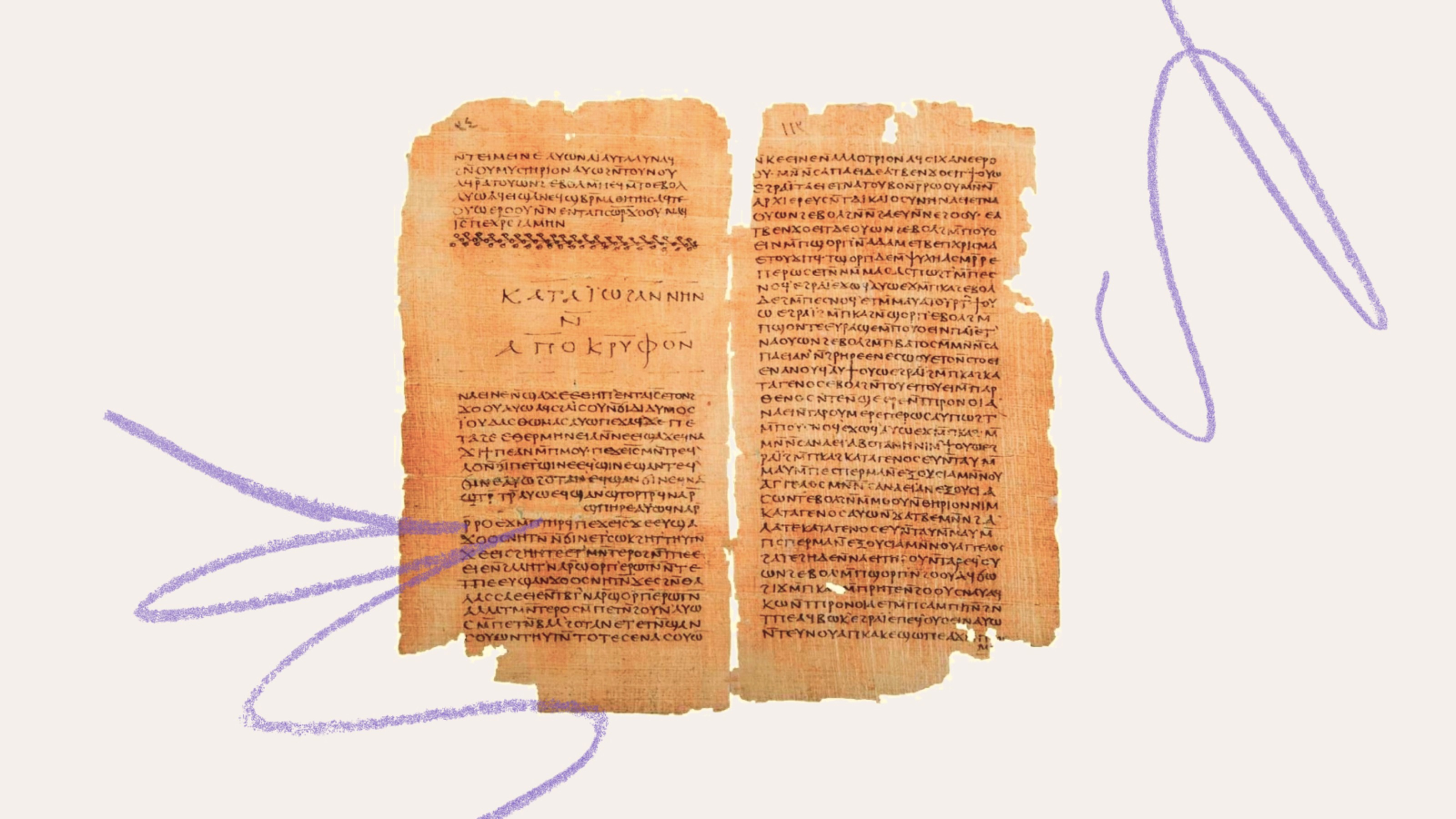
6. Miracles and Wonder by Elaine Pagels
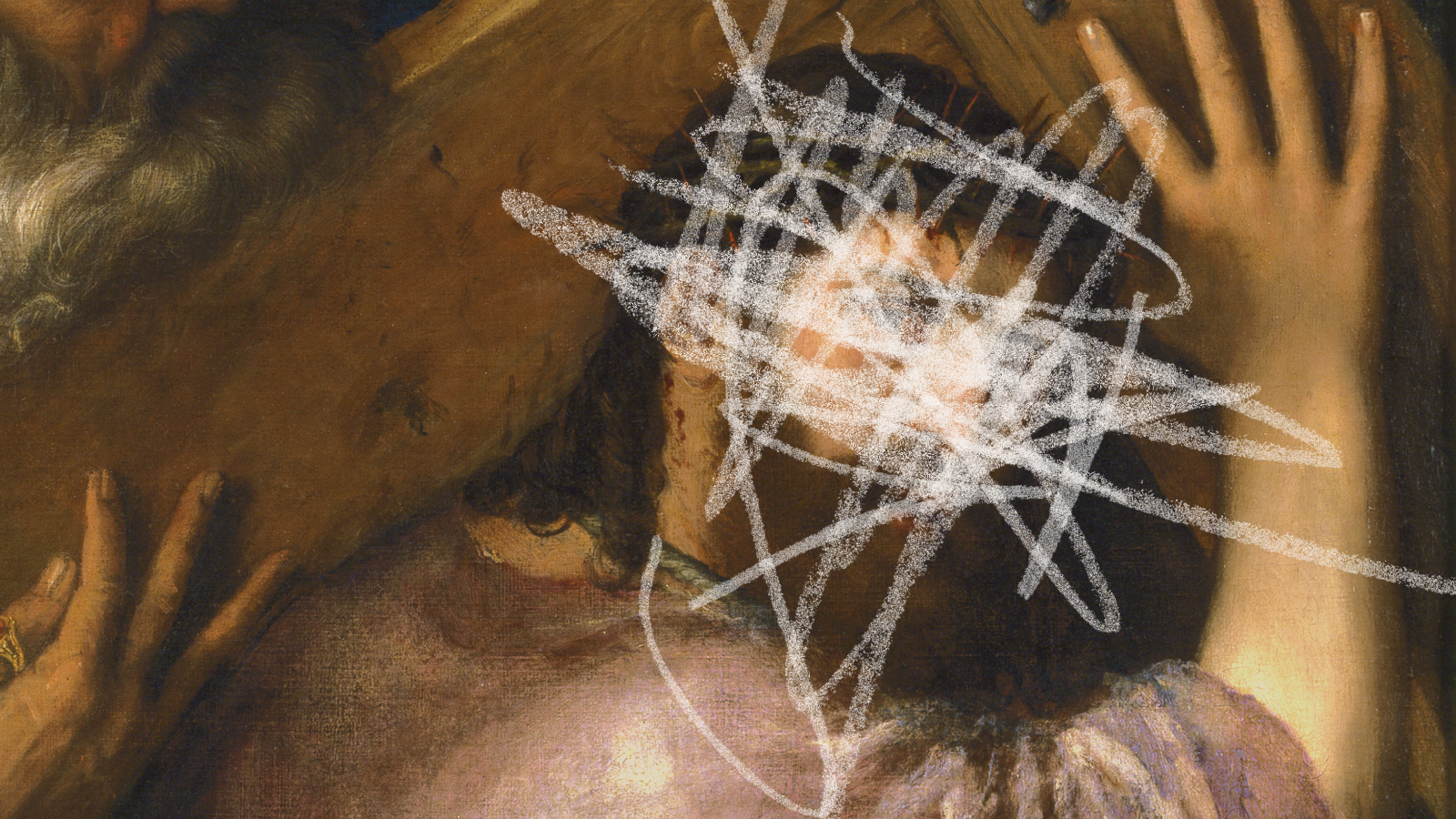
Jesus of Nazareth is one of the most important figures in world history — arguably the most important. Yet, despite countless books having been written about him, historians can say surprisingly little about his life with any certainty.
Pagels’ 2025 offering aims to understand how Jesus’ story survived, thrived, and evolved over the centuries despite the many mysteries surrounding him. What 1st-century social pressures led Christians to claim Jesus’ mother was a virgin? What likely happened at and after his crucifixion? How did his followers come to believe he rose from the dead?
Pagels explores these questions with historical rigor and a seemingly boundless knowledge of the subject. Yet, the work is far from a debunking takedown. Thoughtful and considerate, it instead wants to know why these stories continue to attract and inspire people more than two millennia later.
“The stories of the Bible start in the world that we live in — a world in which people are dominated, suffering, oppressed. There’s injustice, disease, death. But the stories typically move into hope,” Pagels told me. “It’s that move into hope, when hope seems completely empty and impossible. That is what is so moving about these stories.”
7. V Is for Venom by Kathryn Harkup
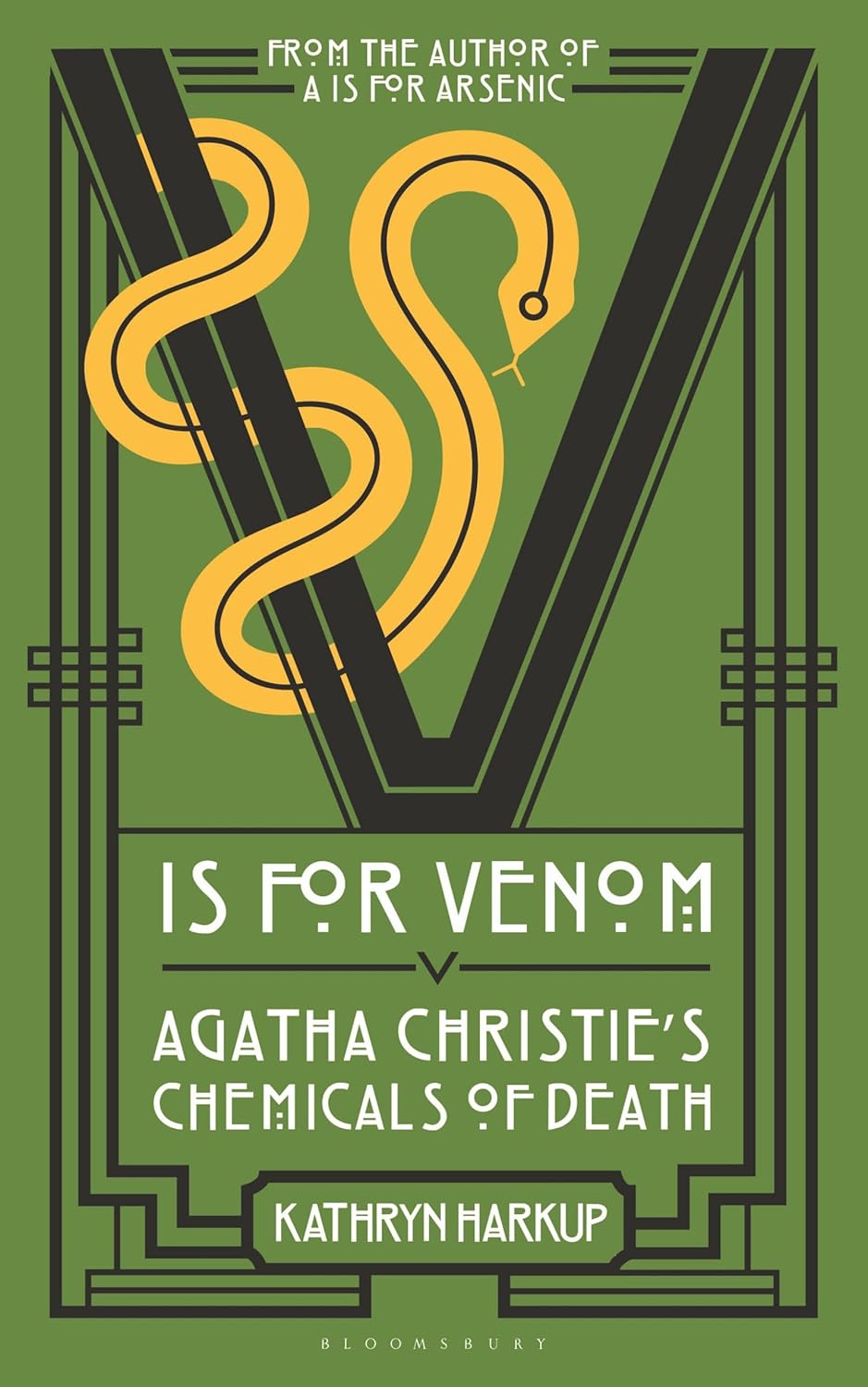
As the best-selling writer of detective fiction ever, Agatha Christie has devised all manner of ways to kill people, yet she is unquestionably at her most creative when poisoning an unfortunate victim. Christie has substituted oxalic acid for cough syrup, laced chocolates with nitroglycerin, injected the unaware with yellow jasmine, and slipped cyanide into just about every drink imaginable.
In this follow-up to A Is for Arsenic (2017), Harkup, a chemist by training, uses Christie’s devious plots as a springboard to discuss these killer compounds. Each entry investigates one of her poisons, diving into its history, toxicology, traditional uses, and even real-life cases. It’s a brilliantly fun way not only to learn some chemistry but also to better appreciate the genre’s greatest writer.
“It’s that extra layer of nastiness that fascinates us,” Harkup said. “[Stories are] a safe way of finding out about something that is so unknowable since the vast majority of us — I would hope — will never kill another human. It’s a safe trip into the darkest bits of the human psyche.”
8. Dinner with King Tut by Sam Kean
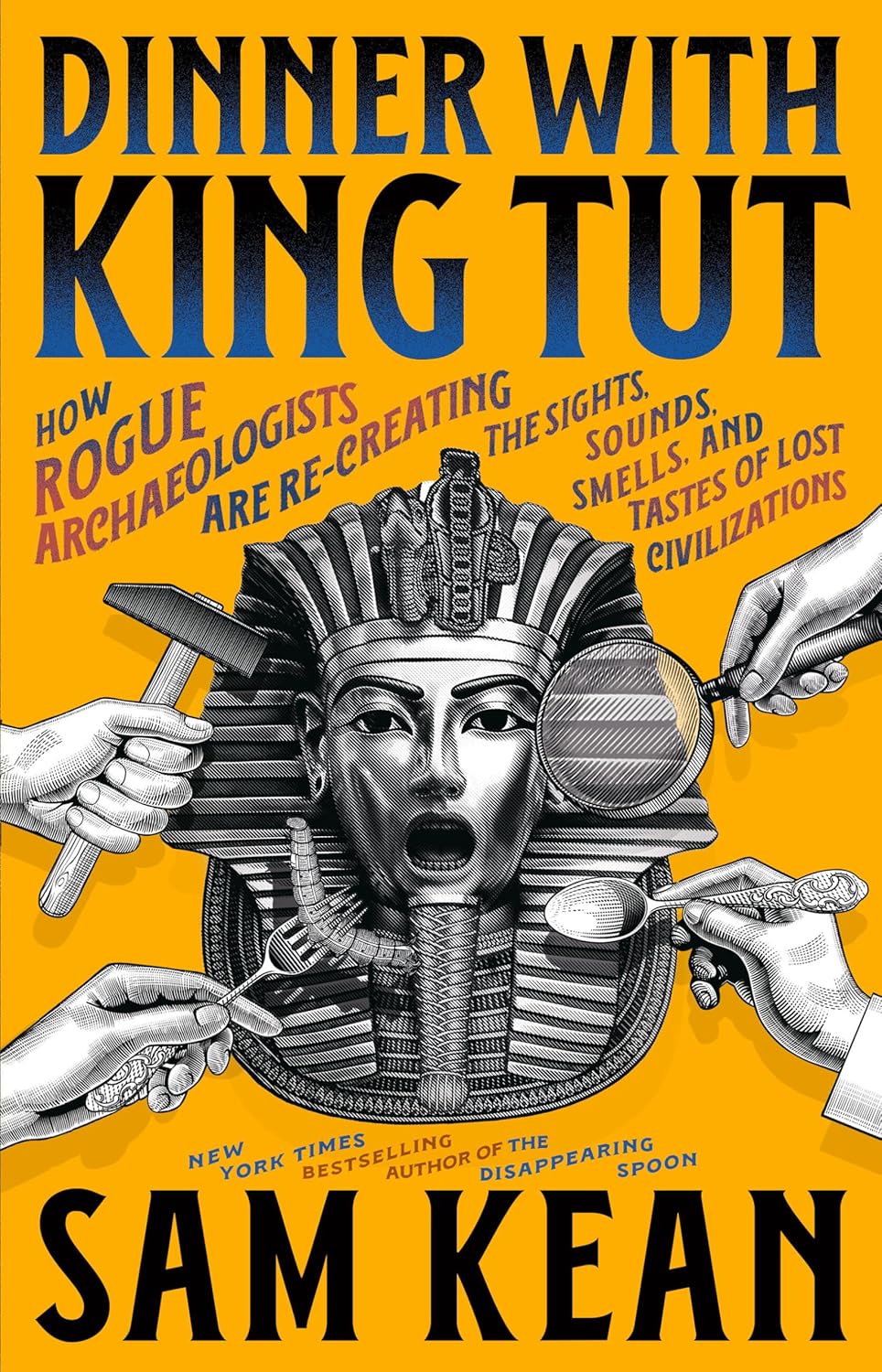
Have you ever wanted to know what ancient Egyptian bread tasted like, or what it’s like to play a rousing round of ullamaliztli? How about tracking game as a Neolithic hunter would or dressing a wound in a medieval salve of onions, garlic, wine, and ox gall? I didn’t know I wanted answers to questions like these until I read Dinner with King Tut (even that last one, weirdly enough).
Kean’s eighth book continues his streak of uncovering the odd and enthralling side of scientific history. This time, the author turns his attention to experimental archaeology — a subfield in which practitioners conduct experiments to perform historical tasks as our ancestors did. One part science, another hobbyist pursuit, its goal is to gather data while also connecting more with our shared heritage.
Of course, Kean gets into the spirit of things. Half the fun is reading his humorous misadventures as he tries to hack flint into a usable tool or spends a day preparing a hide for tanning by curing it in goat brains.
“In some ways, [these experiences] also highlighted some of the emptier aspects of modern times,” Kean told me. “If you had to make your own food or stone tools, there was a benefit to that because it wasn’t just something disposable. It helps us get in touch with our deeper humanity and get over some of the discontents of modern times.”
9. Ring of Fire by Alexandra Churchill and Nicolai Eberholst
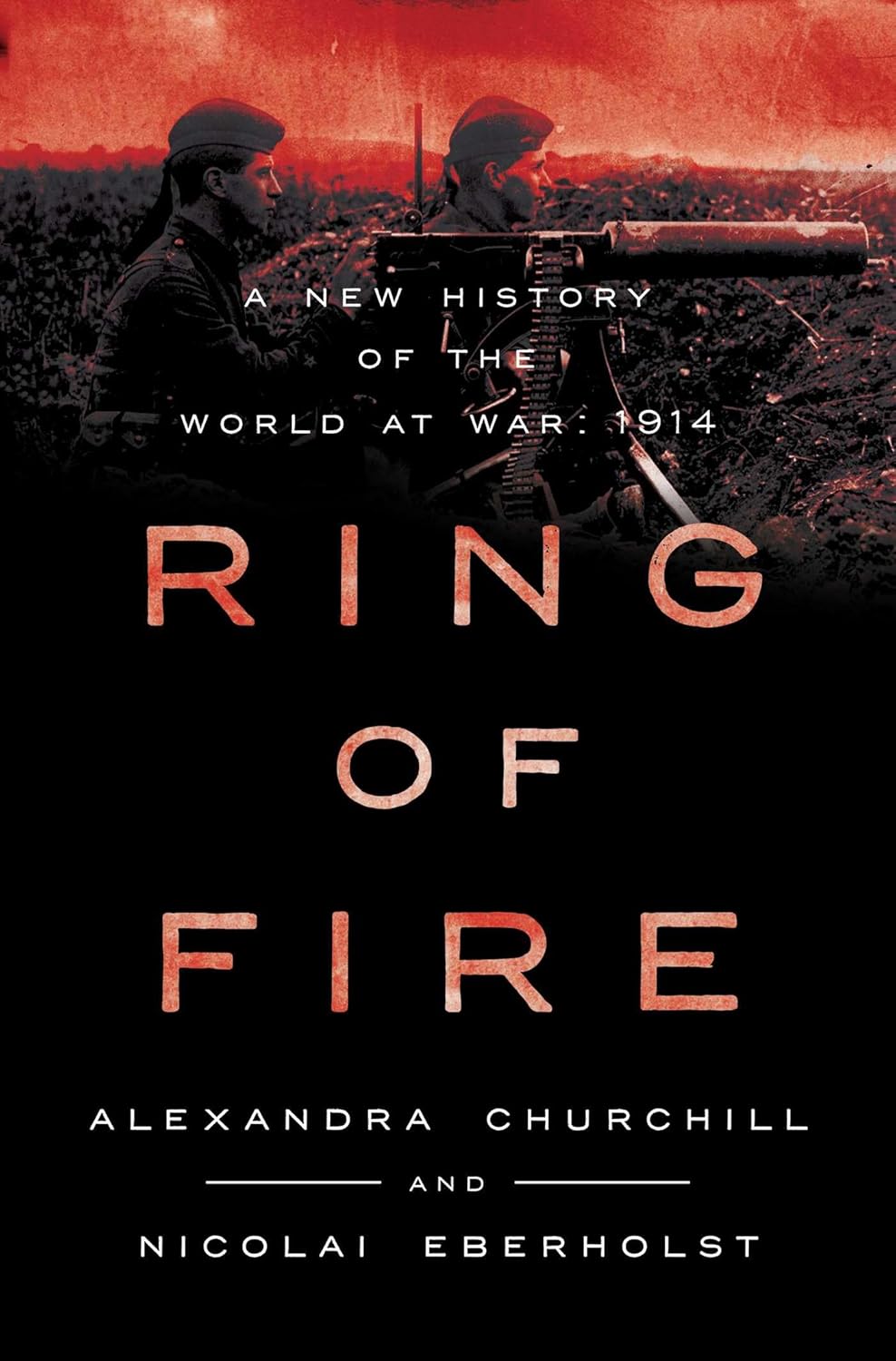
I enjoy a good war history, but too often, they can read like a play-by-play of an intense game of Risk. The authors approach the war from a bird’s-eye view, telling the story from the perspectives of the politicians, generals, and other higher-ups moving pieces across the board.
Churchill and Eberholst’s Ring of Fire complements this type of history. They tell the story of World War I from the perspective of everyday people — not just the soldiers in the trenches, but the family members and factory workers at home whose struggles, fears, and sacrifices also shaped how the war turned out. The authors’ research also looks beyond standard sources to reveal how the war’s consequences rippled out far beyond the Western Front.
As Eberholst said in an interview: “[W]hen we looked at events globally, we kept realizing how similar these human experiences were. We kept finding accounts describing what it was like to be at war, to march, to leave home suddenly, to become a soldier, or to have your family go off to fight. The reactions — shock, fear, and confusion — were universal.”
10. Nagasaki by M.G. Sheftall
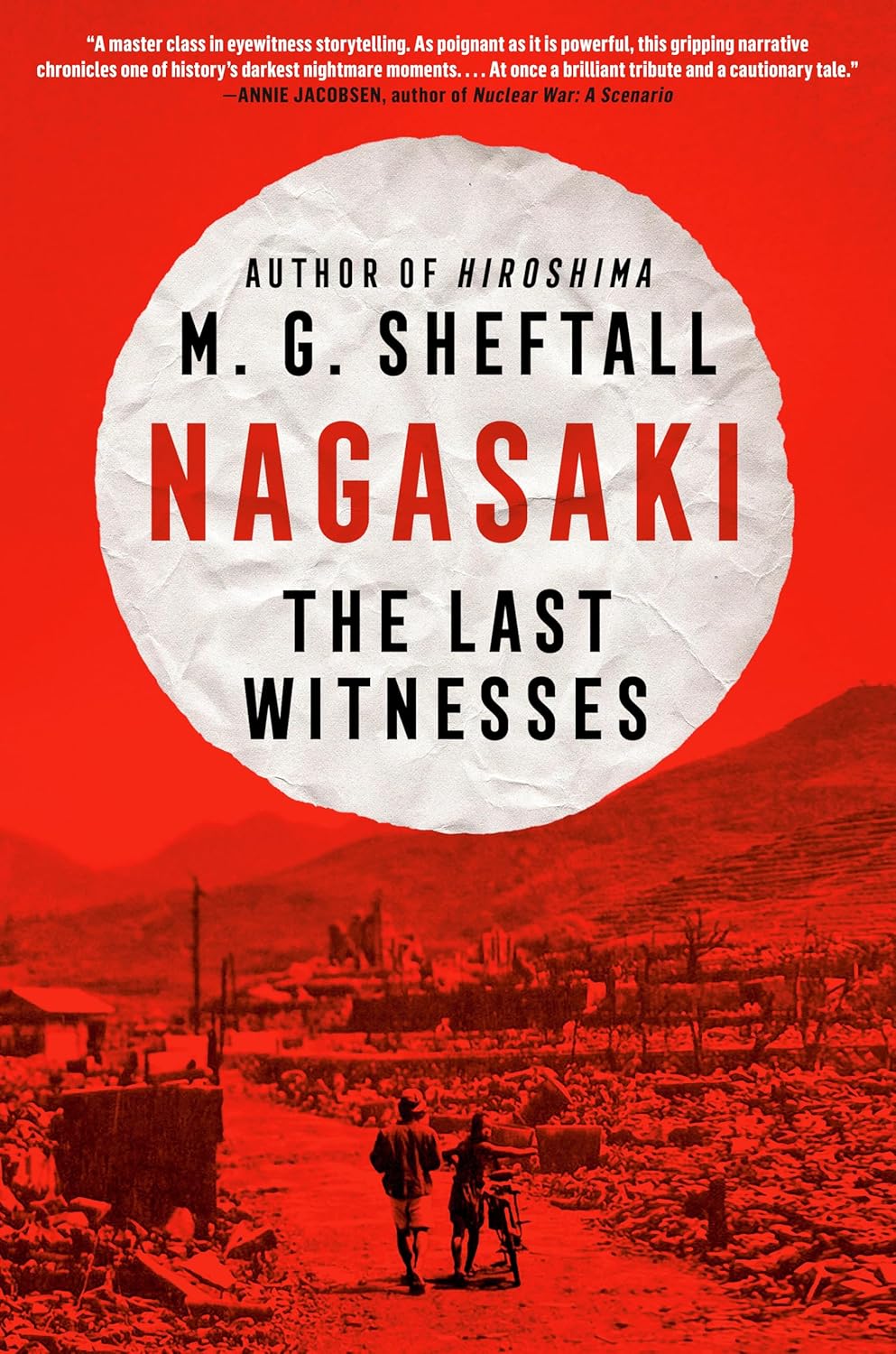
“I believe it’s the moral responsibility of every human being to know what happened on the ground in Hiroshima and Nagasaki. Regardless of whether you think the dropping of those bombs was necessary or not, we all have to know what happened there and swear that we’ll never allow it to happen again.”
This is the message of Sheftall’s Nagasaki, the second of a two-part history on the atomic bombings of Japan in 1945 — the first volume obviously being Hiroshima (2024). For both books, Sheftall interviewed some of the last living hibakusha (nuclear survivors). Their words bring the pain and suffering of those days and their immediate aftermath frighteningly close. Yet, this history is ultimately one of triumph and hope as Sheftall continues their stories to reveal how many devoted themselves to peace and the abolishment of nuclear weapons.
With 2025 being the 80th anniversary of the end of World War II, it won’t be long before the last hibakusha have passed away, but I take some comfort knowing that their testimony can be preserved and passed on to future generations in books like Sheftall’s.
11. On Liberalism by Cass Sunstein
In a 2023 New York Times op-ed, Harvard legal scholar Sunstein wrote that “[m]ore than any other time since World War II, liberalism is under siege” from both the left and the right. He argued we have lost a clear understanding of what liberalism represents, its core commitments, and the promises of the as-yet unfinished experiment that is the American Revolution.
On Liberalism is Sunstein’s expansion on that article — a call for citizens and societies to reinvigorate the philosophy to help us meet the challenges we face in the 21st century.
“There’s a difference between liberalism as a defensive crouch and liberalism that is full of fire and hope, and we like fire and hope,” Sunstein told me. “Liberalism has always been young, and that’s what we need to recover.”
Short but comprehensive, the book examines what liberalism stands for, its intellectual history, and why its core tenets, such as freedom of speech and “experiments of living,” buttress much of what we value in free societies. A full-throated call for all liberalism has to offer, it’s also a sobering reminder of what we may lose if its illiberal opponents erode its hard-won rights further.
“We lose freedom, and we lose security. We lose freedom in the sense that we can speak [our ideas freely] and avoid punishment,” he adds. “We lose our ability to live secure lives [knowing] the government can’t do with us as it wishes. Those are all gone.”
12. We the People by Jill Lepore
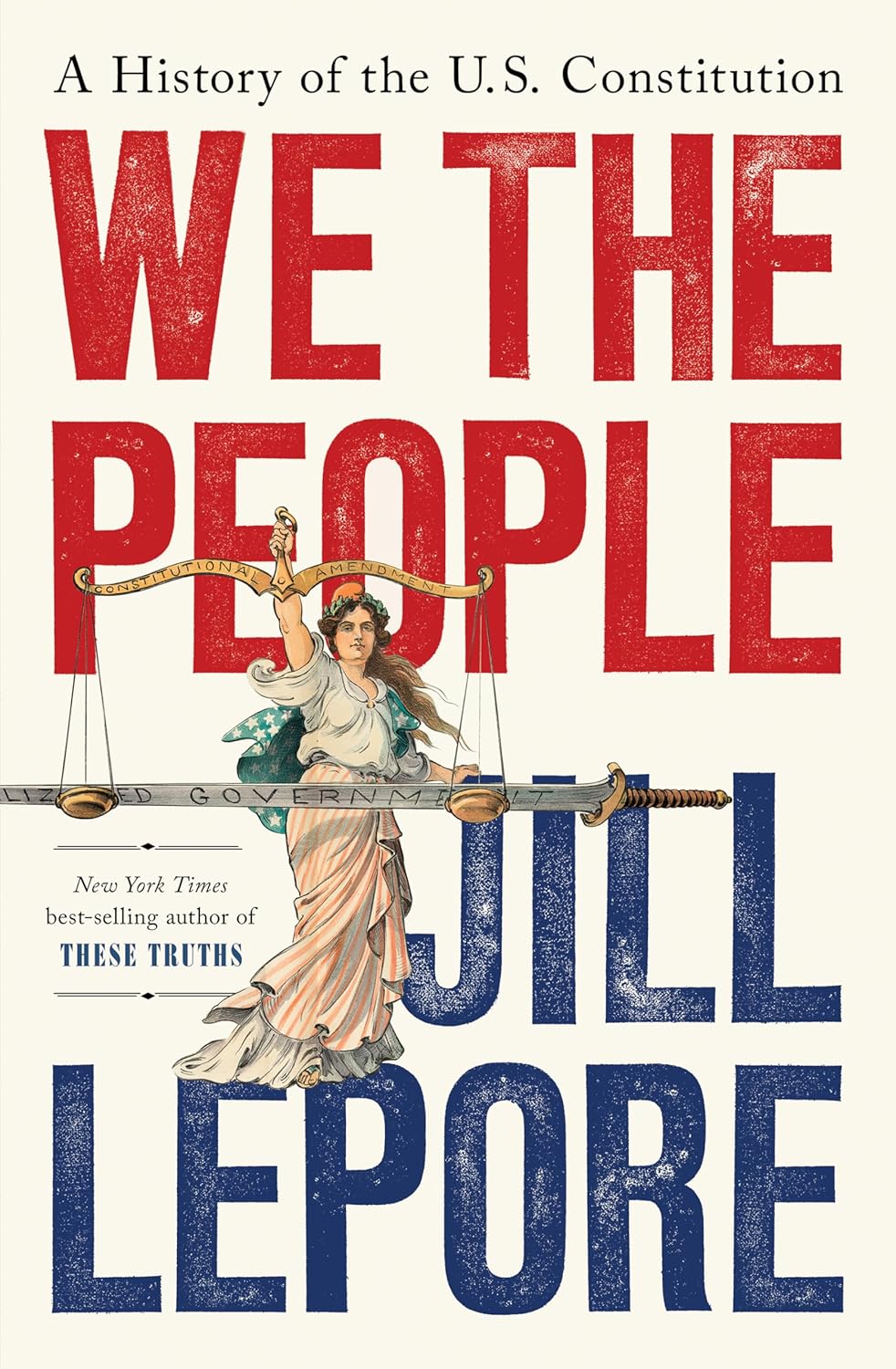
Americans love the Constitution, but know surprisingly little about what’s actually written in it. Most don’t even know it was written in 1787, and even fewer have a working knowledge of its history or why subsequent generations came to interpret its words as they did. For those reasons, and many more, Lepore’s new book couldn’t have arrived at a better time.
In it, Lepore challenges originalism — the legal theory that the Constitution should be interpreted through its original meaning. Instead, she argues that the Founding Fathers never intended the Constitution — or themselves, for that matter — to be venerated. They deliberately engineered a document that could be amended to address the unforeseeable challenges the Union may one day face and, in doing so, balanced the need for change without resorting to violence alongside an understanding that such change can’t be haphazard.
In lively yet erudite writing, Lepore never shies away from the historical complexities. Ultimately, the book serves as a warning that our current age of polarization has rendered the Constitution something it wasn’t meant to be, risking the very system of government Americans are so proud of.
“In the current political climate, Americans can’t even get through an open mic school board or city council meeting without threats of political violence. Our ability to meet peaceably in citizen assemblies is at a real low,” Lepore told Big Think. “I could picture amending the Constitution through various means, including a convention, after some years of rebuilding the basic infrastructure of civil society and democratic deliberation. But again, I can’t see that happening right away.”
13. Psychobabble by Joe Nucci
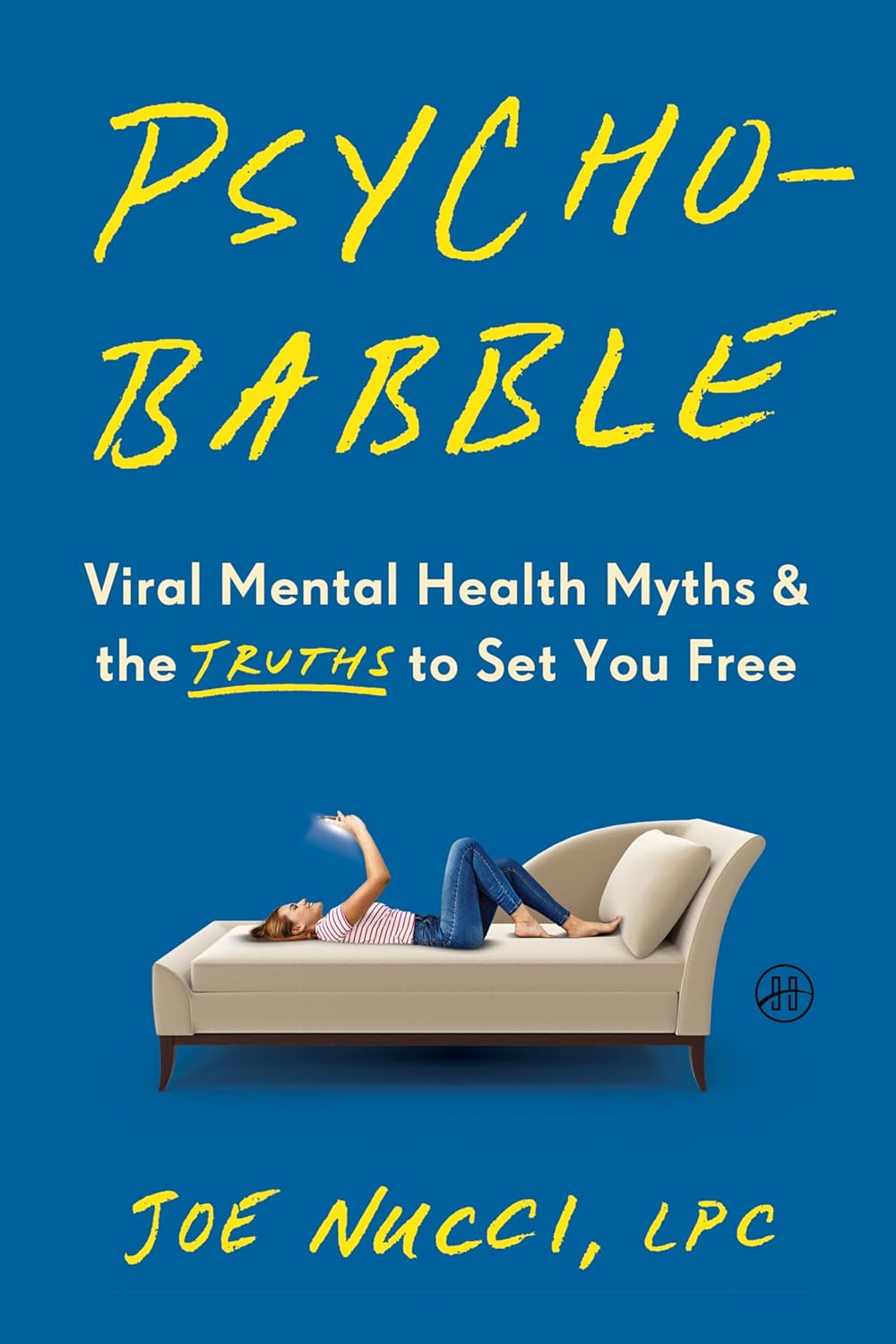
Mental health is everywhere these days, and that’s a good thing, as it has helped to destigmatize seeking help. But the shift has also led to a lot of misinformation about mental health, and much of it — I’m sure it won’t surprise you to learn — is found on social media.
“The popularization of mental health terminology has given rise to an army of armchair experts who regularly speak on the topic and — knowingly or unknowingly — misuse psychological jargon,” Nucci writes. “They spread misinformation and often inflict a lot of damage in the process.”
Psychobabble is his attempt to set the record straight. Each chapter details a specific myth or misconception and explains the actual psychology behind the fad. He also makes the case that we need to better distinguish between normal experiences — what he calls the “problems of living” — and clinical phenomena like depression, ADHD, and narcissism. Stern but written in a caring style that exhibits Nucci’s background as a therapist, Psychobabble may help us all be a little less anxious about anxiety.
“One of the temptations for using psychobabble is that people want to feel seen and understood. When people use this language, I think that they do it in an attempt to feel validated, to feel like their internal experience is being taken seriously,” Nucci told me. “I fear that we’re in a time where it is having the opposite effect.”
14. Rewiring Democracy by Bruce Schneier and Nathan Sanders
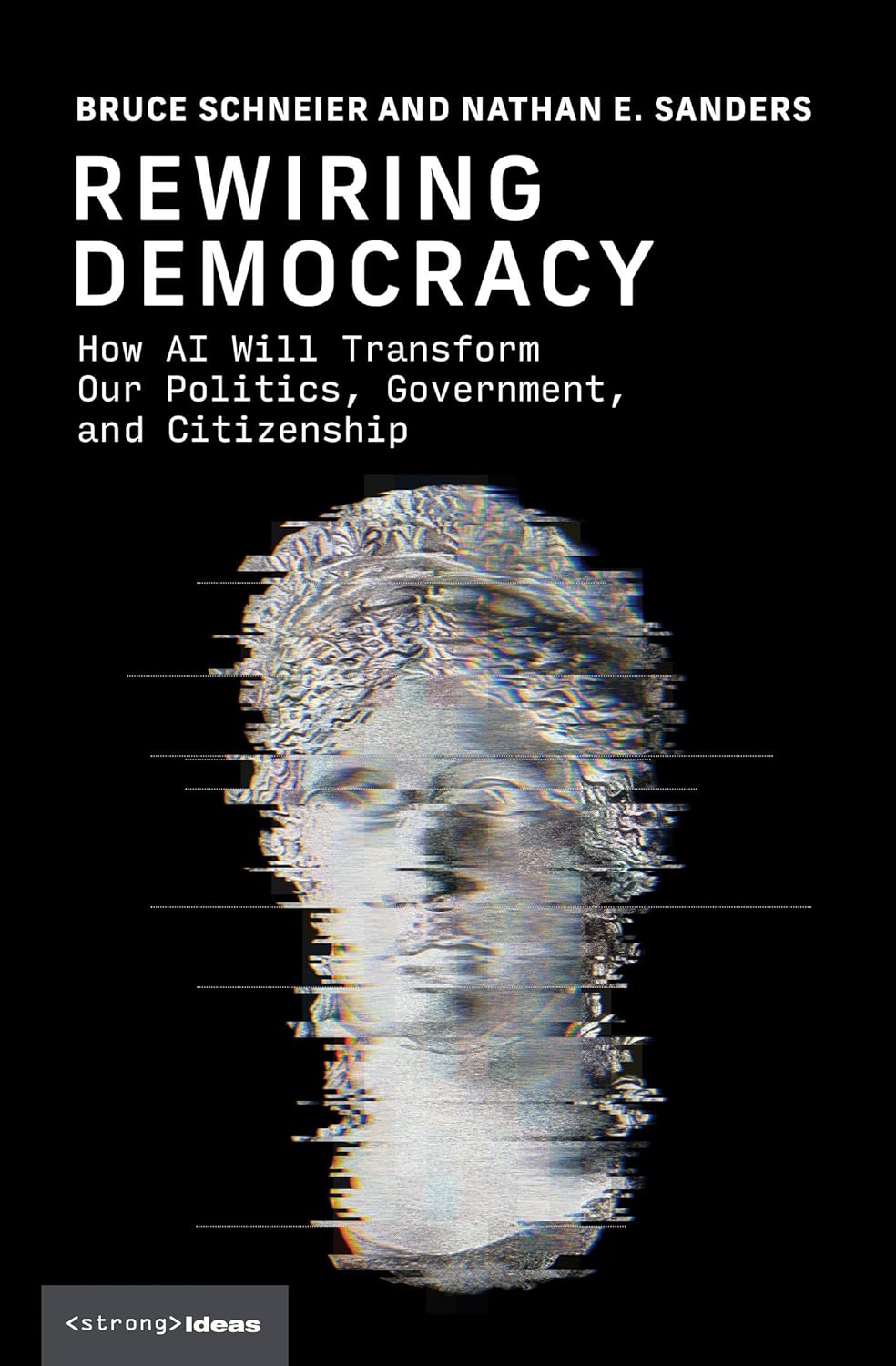
I’ll be honest: I’m sick and tired of reading about artificial intelligence. Every pundit, marketer, CEO, tech bro, scholar, and influencer has a take, and all of them released a book about it in 2025. Add to that the increasingly breathless, but perpetually unrealized, prophecies of the doomers and boomers, and I’m exhausted.
Even so, I would describe Schneier and Sanders’ new book as refreshing. Eschewing hype, the authors narrow their focus to consider how this information technology will affect democratic processes. The book examines how the power of AI could help us solve many of the problems that plague our bureaucracies; however, that same power could also exacerbate problems. The difference isn’t inherent in the technology itself, they ultimately conclude, but in citizens demanding its responsible use.
“Likewise, AI is not only a large language model,” the authors told me. “There’s a continuum of technologies, and we shouldn’t look to one specific type of AI to solve these problems. We should recognize that democracy is an information system, and technology plays a role in creating it legitimately.”
A tad academic in tone but always approachable, I wish more authors approached the subject the way Schneier and Sanders do.
15. The Idea Machine by Joel Miller
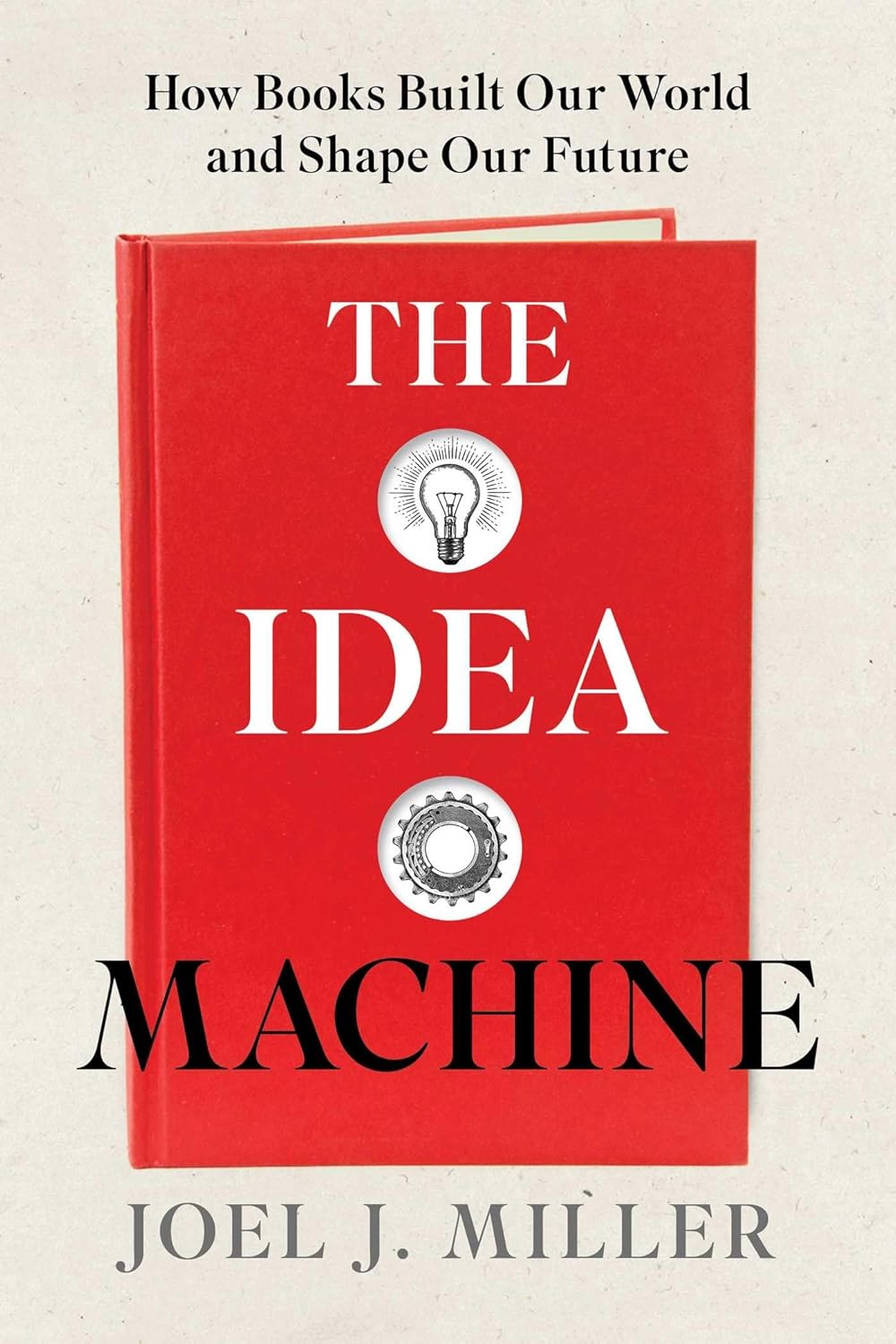
If there’s one technology that ties this entire list together, it’s books. While we typically don’t consider the book alongside AI, the internet, or the steam engine, like these, it has proven vital in creating our modern world. The reason we don’t often think of it as a technology is, ironically, because it has become so successful — a case Miller makes in his new book.
“If you look at the intellectual history of the West, it depends on books,” Miller told me. “Think about science. Paper [and books] made that possible. […] You suddenly have scientists all over Europe able to work on the same sorts of problems, use the same common resources, and check each other’s work. All of a sudden, science explodes.”
In fact, The Idea Machine is really two books in one. The first explores the idea of books as a technology. Drawing on the computer as a metaphor, Miller argues that it is both software (the ideas contained within) and hardware (a physical device that stores those ideas for later use). The second is a history of the book itself, tracing its evolution from cuneiform clay tablets to vellum codices to the printing press and the subsequent book boom.
Both halves are equally interesting, and I was left with a deeper appreciation for living at a time when books and all they have to offer have become so widespread.

The Energy Transition