
Test Special Issue

Game Change

Do elite athletes really make elite employees?

Sports, we tend to assume, offer a sharp-edged reflection of business life in microcosm — leadership under pressure, the winning mentality, valuable lessons drawn from loss. It’s all there. Just kick back with a beer and a pizza and watch your pathway to workplace success unfold on game day. Well, it turns out that the connections are often far more nuanced than we might have presumed. Do elite athletes really make elite employees? What’s the connection between Swedish pragmatics in soccer and a thriving startup culture? Have you factored in the difference between “wicked” and “kind” environments (and what does that even mean)? We investigate all of these pivotal tangents, and much more, in this Big Think special collection of essays, interviews, and curated book excerpts. Forget everything you’ve been told about the synergies between sports and business. It’s time to rewrite the rules.
Blue background with the words "Game Change" in white, surrounded by strategic game symbols and graphs in the background.
Presented by
John Templeton Foundation
An image of a pelican with its feet in the water, capturing the essence of Stanford Duck Syndrome.
When we view hard work as a sign of low aptitude, it harms our ability to learn and grow.
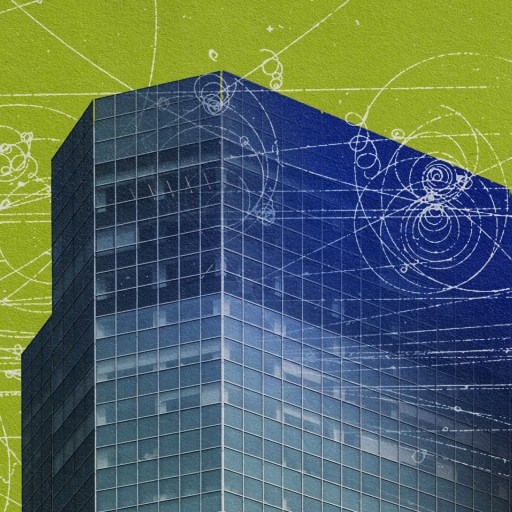
An illustration of a tall building featuring new office concepts.
Architect and brand innovator Kevin Ervin Kelley sounds the alarm for workplace culture — and argues for a “big bang” collision of forms and shapes.
Because of dark energy, distant objects speed away from us faster and faster as time goes on. How long before every galaxy is out of reach?
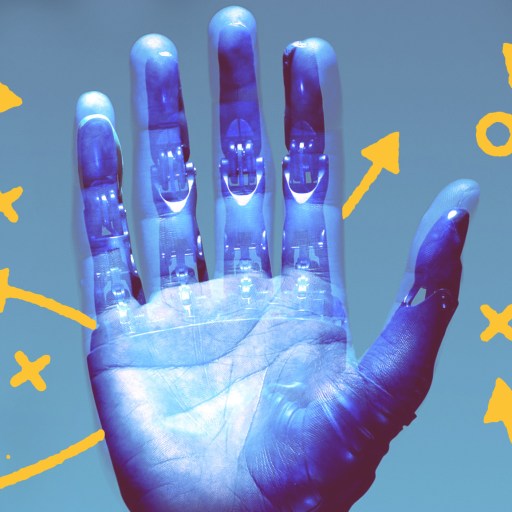
A blue hand with arrows on it.
To be successful, leaders would be wise to remember that AI isn’t a replacement for people; it exists to enhance their capabilities.
Five modern philosophy books about the idea of justice on a pink background.
Philosophy isn't stuck in the past. Here are five texts to connect you with its ongoing dialogue.
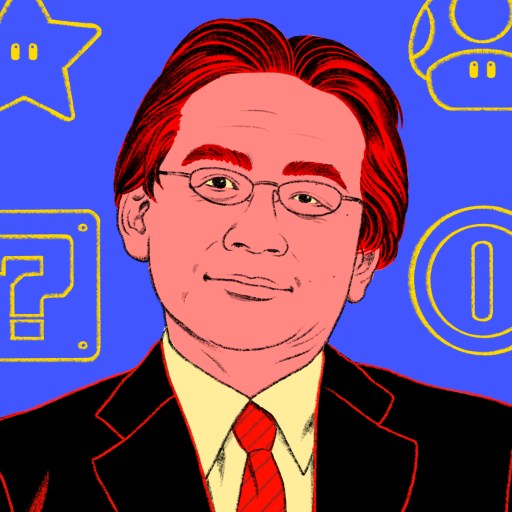
An image of Satoru Iwata, the leader in a suit and tie, surrounded by Nintendo icons.
The former Nintendo president has become synonymous with the backlash against layoffs — because, like a great leader, he focused on lifting people.
A woman with dreadlocks wearing a blue turtle neck.
7mins
Nike athlete and famed Peloton instructor Tunde Oyeneyin shares how she turned her pain into purpose.
Unlikely Collaborators
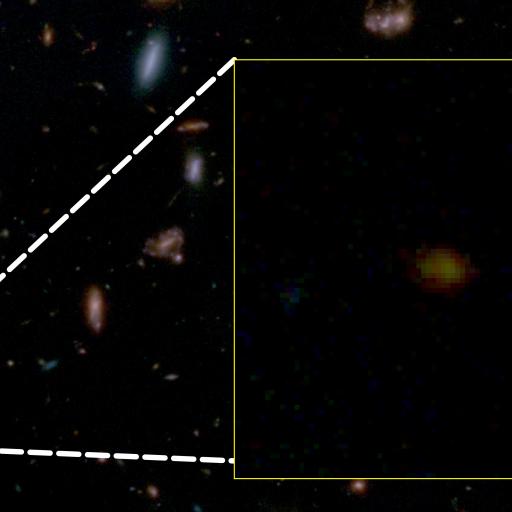
An image of a dead galaxy with a square in the middle taken by JWST.
Given enough time, all galaxies will expel their star-forming material and wind up dead. Is this the earliest one, or is it just asleep?
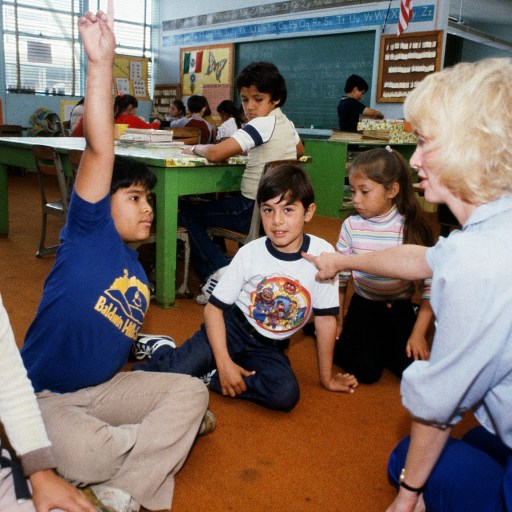
A teacher in a classroom with children sitting on the floor, learning a second language.
Being bilingual benefits children as they learn to speak — and adults as they age.
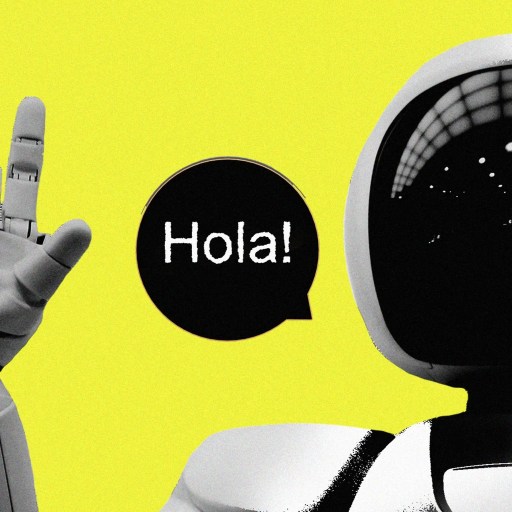
A robot is making a rock hand gesture with the word hola.
People who have a regional accent might prefer robots who speak like them over generic voices.
A group of stars and galaxies in space.
Galaxies don't simply feed their central supermassive black holes, but the activity generated inside affects the entire galaxy and more.
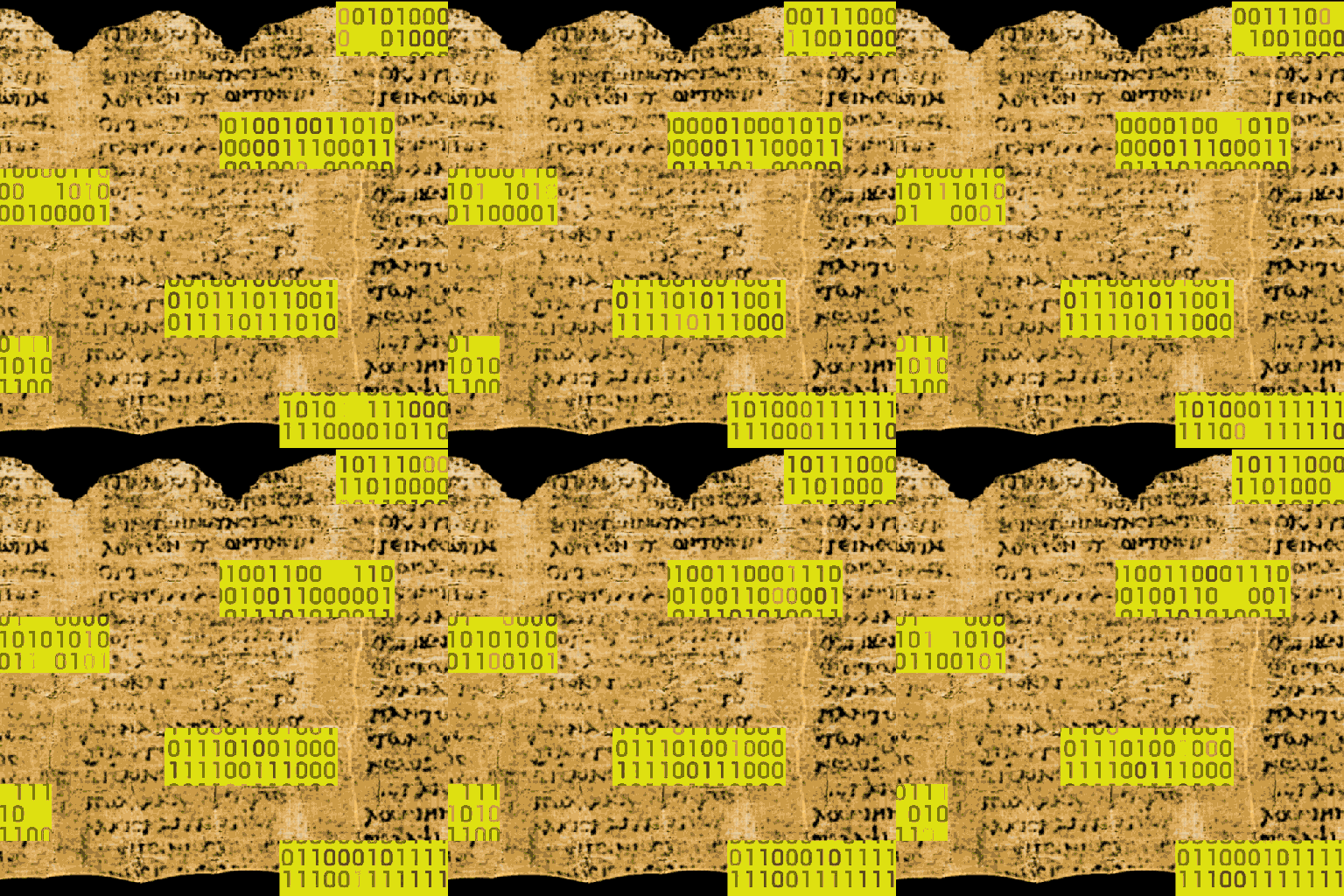
A piece of paper with numbers written on it.
These scrolls are the only remaining intact library of ancient Rome — and they will crumble at a touch.
A group of people are sitting around a table.
Police forces are choosing humans over algorithms to make some identifications.
A broken alarm clock on a purple background, reminiscent of a Tali Sharot study.
Neuroscientist Tali Sharot recently spoke with Big Think about a two-step method for escaping the dark sides of habits.
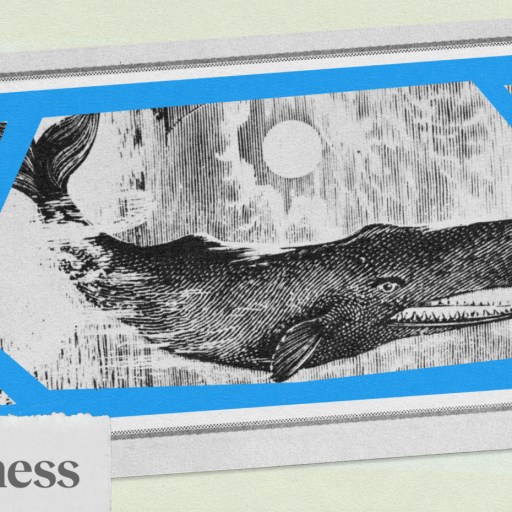
An etching of a whale.
When all your teammates fall for "the emperor's new clothes," the results can be disastrous — here's how to bust the groupthink.
parity mirror universe
Symmetries aren't just about folding or rotating a piece of paper, but have a profound array of applications when it comes to physics.
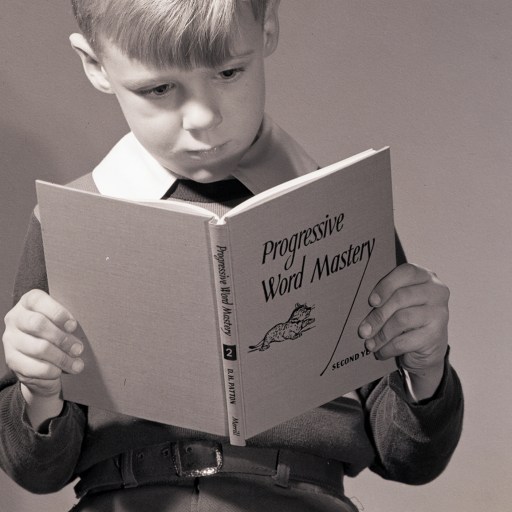
A gifted young boy reading a book.
The National Defense Education Act of 1958 meshed with white anxiety about the desegregation of schools.
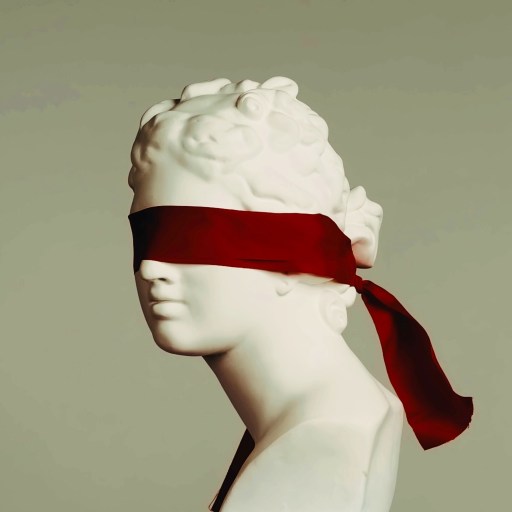
A statue of a woman with a red blindfold on her head, symbolizing the human experience in the realm of science.
Here's the case for why science can't keep ignoring human experience.
An image of the future of US astronomy with a large telescope inside a building.
Ground-based facilities enable the greatest scientific production in all of astronomy. The NSF needs to be ambitious, and it's now or never.