
Test Special Issue

Game Change

Do elite athletes really make elite employees?

Sports, we tend to assume, offer a sharp-edged reflection of business life in microcosm — leadership under pressure, the winning mentality, valuable lessons drawn from loss. It’s all there. Just kick back with a beer and a pizza and watch your pathway to workplace success unfold on game day. Well, it turns out that the connections are often far more nuanced than we might have presumed. Do elite athletes really make elite employees? What’s the connection between Swedish pragmatics in soccer and a thriving startup culture? Have you factored in the difference between “wicked” and “kind” environments (and what does that even mean)? We investigate all of these pivotal tangents, and much more, in this Big Think special collection of essays, interviews, and curated book excerpts. Forget everything you’ve been told about the synergies between sports and business. It’s time to rewrite the rules.

Blue background with the words "Game Change" in white, surrounded by strategic game symbols and graphs in the background.
Presented by
John Templeton Foundation
A person cutting a diamond with a pair of tweezers while under the influence of LSD.
Benjamin Breen on his greatest revelations while writing about the birth of psychedelic science.
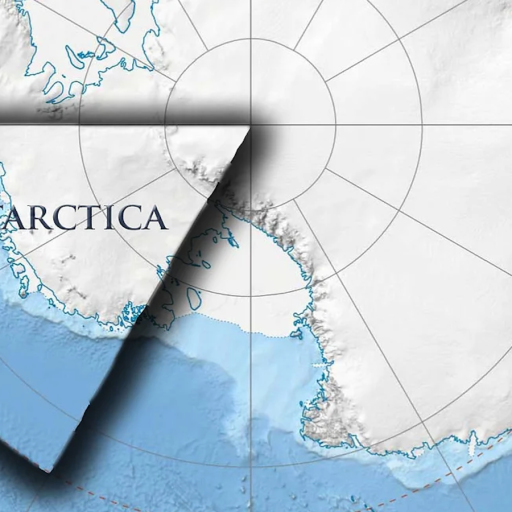
A map of antarctica with the word west antarctica.
The Antarctic Treaty of 1959 prohibited nations from making new land claims on the continent. But it never mentioned claims from private individuals.
An animated collage of images showcasing a person skillfully drawing with a pencil.
Big Think spoke with animator and animation historian Tom Sito about the cyclical evolution of animation.
A man displaying conatus while running in the air.
We were not born to stagnate — the point of life (and work) is to go somewhere.
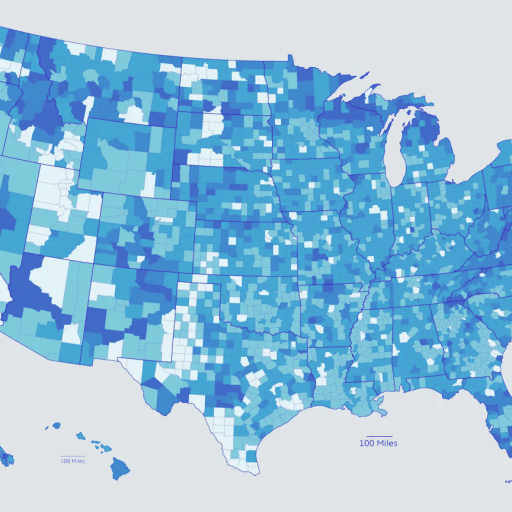
A choropleth map of the united states displaying median age by county with a color gradient from light to dark blue indicating increasing age ranges following a natural bell curve distribution.
Almost everything we can observe and measure follows what's known as a normal distribution, or a Bell curve. There's a profound reason why.
A clock hanging from a wall.
Research suggests you can influence your sense of time by changing the “embodiedness” of your daily habits.
A man is fearlessly standing on top of a cliff.
The management of fear is a core leadership skill in today’s globalized world — and the task is not as daunting as you might expect.
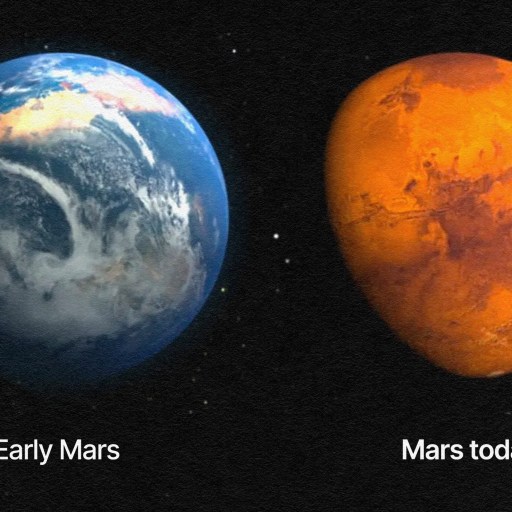
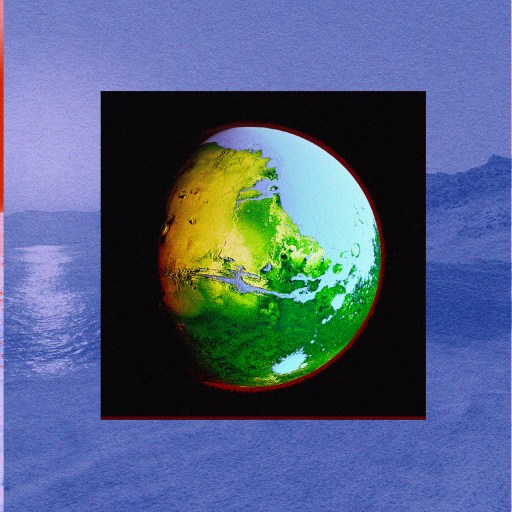
Comparison of early Mars with abundant water and a thicker atmosphere versus the dry and arid Mars of today, much like Venus, which also died in terms of its potential to support life.
In the early stages of our Solar System, there were three life-friendly planets: Venus, Earth, and Mars. Only Earth thrived. Here's why.
A man in a blue jersey holding a basketball participates in sports psychology.
Scientists are probing the head games that influence athletic performance, from coaching to coping with pressure.
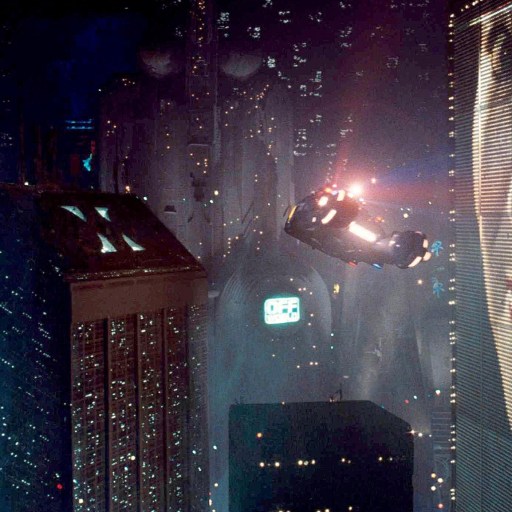
An image of a pop-culture city with a woman in the sky, representing future visions.
Do grim sci-fi scenarios crush our hopes for real-world growth? Author Michael Harris looks elsewhere to unblock the road to a better future.
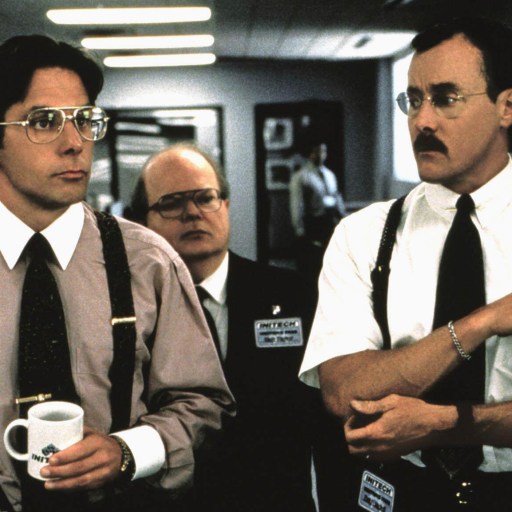
Two men in suspenders standing next to each other in an office, possibly enduring the presence of a bad boss.
We can’t always change our horrible bosses — but we can transform the ways we interact with them.
gaia ESA milky way
For thousands of years, humanity had no idea how far away the stars were. In the 1600s, Newton, Huygens, and Hooke all claimed to get there.
An image of the earth with a mountain in the background, showcasing terraforming potential.
Whenever someone waxes poetic about terraforming alien worlds, it’s worth taking a moment to consider the ethical implications of the proposal.
A statue depicting expressions of love languages.
Big Think spoke to the author of "The 5 Love Languages" about the popular relationship theory — and its lack of scientific support.
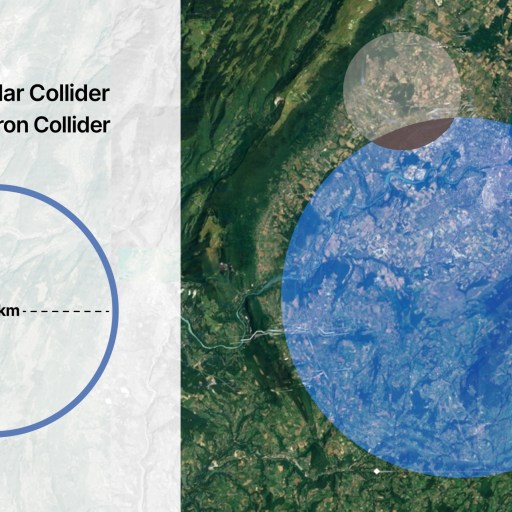
A map with a circle and a circle in the middle.
The $21.5-billion project could involve tunneling hundreds of feet under Lake Geneva.
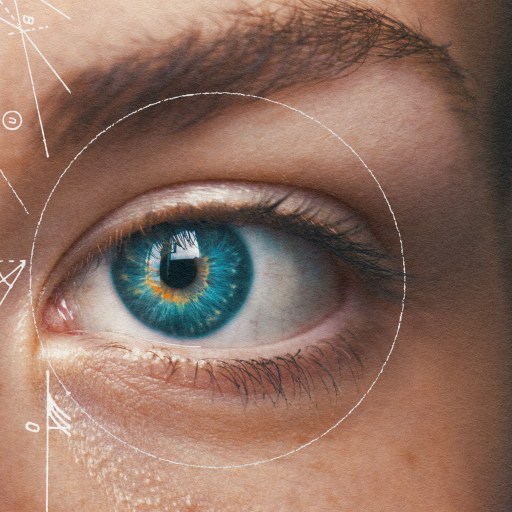
Keywords: emotional intelligence

Description: An image showcasing a woman's eye with an eye chart, highlighting the importance of emotional intelligence in leadership.
Emotional intelligence (EI) is much more than a trending C-suite buzz phrase — it’s the anchor attribute of every great leader.
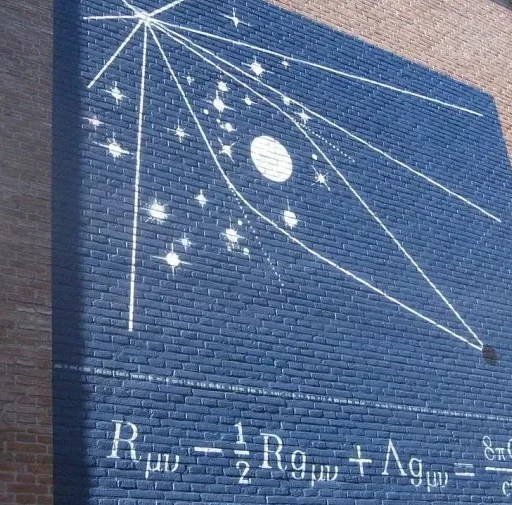
Einstein field equations
Although many of Einstein's papers revolutionized physics, there's one Einsteinian advance, generally, that towers over all the rest.
A compilation of visuals featuring a mannequin and a robot, showcasing effective machine learning capabilities.
Practical ML can radically improve business operations, but there’s a deployment issue.
A man standing next to a boat made of bananas at Uros.
The Uros of Lake Titicaca live on floating islands made from reeds. How did they get there?
A group of people posing in front of an orange background.
6mins
The Osbournes was MTV’s biggest show – and it almost cost Jack Osbourne his life. Here’s how his family’s reality TV fame stole his childhood, and how he’s been able to heal since.
Unlikely Collaborators