




















Search
Philosophy
Examine life’s biggest questions, from ethics to existence, with curiosity and critical thinking.
3mins
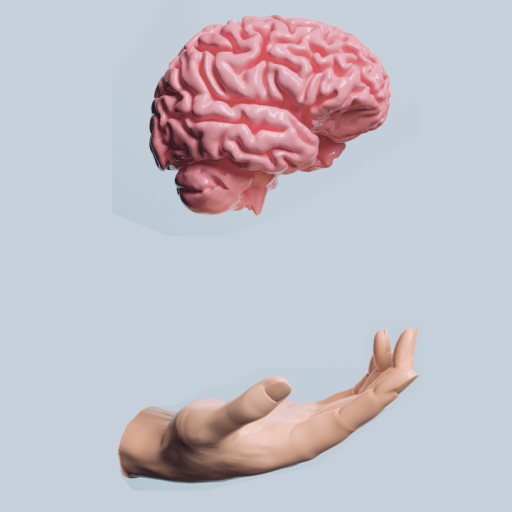
Language is a huge part of human development, even the language we keep to ourselves. Three experts explain how words and beliefs can change our brains and our lives:
Unlikely Collaborators

Quantum mechanics was first discovered on small, microscopic scales. 2025's Nobel Prize brings the quantum and large-scale worlds together.

A conversation with investor and author Alex Morris on what Warren Buffett and Charlie Munger can teach us about focus, discipline, and building a life that lasts.

In 2025, Earth remains the only planet where life is known to exist. Without a second example, "The Stand" has a vital lesson to teach us.

Andrew Gazdecki — the founder and CEO of Acquire.com — explores the skillsets and pitfalls of selling a business. And why it’s often crucial to start all over again.

2mins
When Jesus was crucified, it led to even more followers. When books are banned, people flock to read them. Humans are fascinated by the forbidden, which is why censorship – especially in the digital age – doesn’t work. Jacob Mchangama explains.

In this excerpt from "America's Most Gothic," Leanna Hieber and Andrea Janes examine the history and folklore of Maine's vanished schooner.

Welcome to The Nightcrawler — a weekly newsletter from Eric Markowitz covering tech, innovation, and long-term thinking.

23mins
"Could black holes be the key to a quantum theory of gravity, a deeper theory of how reality, of how space and time works? Well, I think so."

From here on Earth, looking farther away in space means looking farther back in time. So what are distant Earth-watchers seeing right now?

You may actually be on the same wavelength.

Philosophers rarely change their minds. These thinkers did — often at social and professional cost.

Proposed over 2000 years ago by Democritus, the word atom literally means uncuttable. Revived in 1803, today's "atoms" can indeed be split.

The incredible story of how the US Army began the march toward generative AI in 1943 — and what it means for your business today.

From the Big Bang to a prior period of cosmic inflation, our cosmic origins are clearer than ever. Yet these 5 big mysteries still remain.

Members
To foster a collaborative and respectful work environment, Kim Scott emphasizes the importance of respecting colleagues as individuals, even if you disagree with their opinions, ultimately creating a workplace where everyone can thrive.

Members
Chip Conley suggests that viewing emotions as equations can help you identify adjustable variables and constants beyond your control, making overwhelming feelings more manageable through a mathematical perspective.

Members
Barbara Oakley, instructor of a popular MOOC, offers strategies for enhancing learning skills by leveraging insights from neuroscience and cognitive science, addressing the challenges posed by our brain's hardwiring in changing habits and acquiring new skills.

Members
High-conflict personalities, characterized by predictable behaviors, create drama in relationships, but by recognizing these patterns in ourselves and others, as suggested by lawyer and therapist Bill Eddy, we can effectively navigate these challenging situations.

Members
Deepak Chopra and Harvard neurobiologist Rudolph Tanzi advocate for "radical well-being," emphasizing that optimal health relies on proactive measures—such as sleep, nutrition, exercise, and emotional regulation—rather than reactive responses to health issues.