




















Search
Science & Tech
Explore the discoveries that reveal how the world works, alongside the technologies that extend, reshape, and sometimes challenge what’s possible.

12mins
“You can find examples of really big environmental problems that we've already solved.” Climate change is solvable, argues Hannah Ritchie.

7mins
“The physics of the universe doesn't predict the emergence of biology.” Glasgow chemist Lee Cronin explains how inanimate matter becomes evolutionary:
1mins
Testing is an attempt to measure intelligence. But is intelligence really what’s getting measured? A neuroscientist weighs in:
9mins
Dr. Aditi Nerurkar on toxic resilience and the importance of gratitude and breathing.
Unlikely Collaborators

7mins
Is human overpopulation alarmist hype with disturbing consequences? Oxford data scientist Hannah Ritchie debunks the overpopulation myth.

3mins
The mind-blowing theory that everything is evolving—from minerals to music—explained in 3 minutes by a Carnegie scientist.

3mins
“I study the mineral kingdom — and its secrets could lead us to alien life.”
9mins
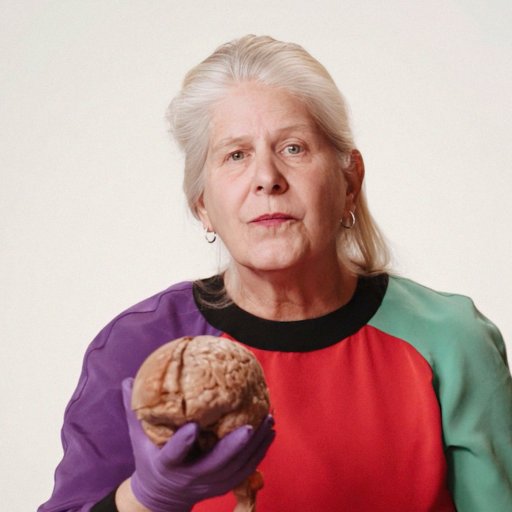
At age 37, neuroanatomist Dr. Jill Bolte Taylor suffered a stroke that would take her eight years to fully recover from. This is how it changed her understanding of the brain.
Unlikely Collaborators

10mins
Dr. Jen Gunter debunks the most common myths about menstruation.

3mins
Nobel Prize winning physicist Frank Wilczek reflects on Einstein’s greatest contribution.

7mins
“If given a chance, nature can rebound, and nature can rebound dramatically.” Biologist Sean B. Carroll discusses the resilience of nature and how humans can help it thrive. Humans litter, […]

8mins
Wharton professor Ethan Mollick explains why “co-intelligence may be the future of AI.

11mins
Humanity has two giant collisions to thank for its existence, explains biologist Sean B. Carroll.

6mins
Physicist Sean Carroll on entropy, complexity, and the origins of life:
6mins
With great genius comes great rigidity. Professor Barabara Oakley on how to stay mentally agile — and get smarter as a result:

11mins
“Forget about essences.” Philosopher Daniel Dennett on how modern-day philosophers should be more collaborative with scientists if they want to make revolutionary developments in their fields.

6mins
“You’re not meant to understand what I just said, because I don’t understand what I just said…” Physicist Brian Cox on one of the most complex theories in space science.

7mins
Is information intrinsic in our universe? NASA’s Michelle Thaller explains.

4mins
When one path is blocked, a new one must be paved. How Einstein, Heisenberg and Gödel used constraints to make life-changing discoveries:
5mins
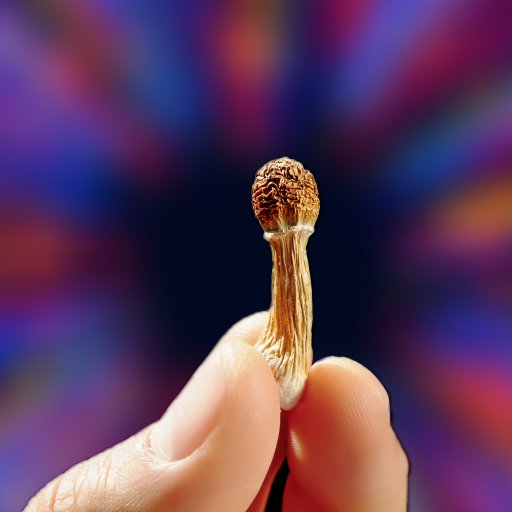
James Fadiman PhD, who has 60 years of experience in the field, believes they are.
Unlikely Collaborators