


Search

Our mission is to answer the biggest questions of all, scientifically.
What is the Universe made of? How did it become the way it is today? Where did everything come from? What is the ultimate fate of the cosmos?
For most of human history, these questions had no clear answers. Today, they do. Starts With a Bang, written by Dr. Ethan Siegel, explores what we know about the universe and how we came to know it, bringing the latest discoveries in cosmology and astrophysics directly to you.
Read Less
with
Full Profile
Ethan Siegel is an award-winning PhD astrophysicist and the author of four books, including The Grand Cosmic Story, published by National Geographic.

Protected: Ask Ethan: Could evolving dark energy lead to a Big Crunch?
There is no excerpt because this is a protected post.

The original principle of relativity, proposed by Galileo way back in the early 1600s, remains true in its unchanged form even today.
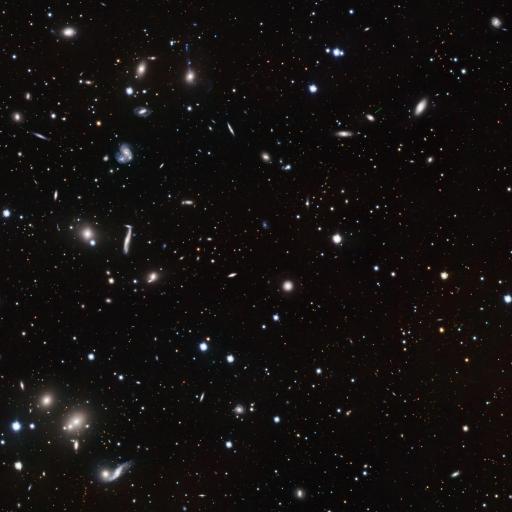
Most stars in the Universe are located in big, massive, Milky Way-like galaxies. But most galaxies aren't like ours at all.
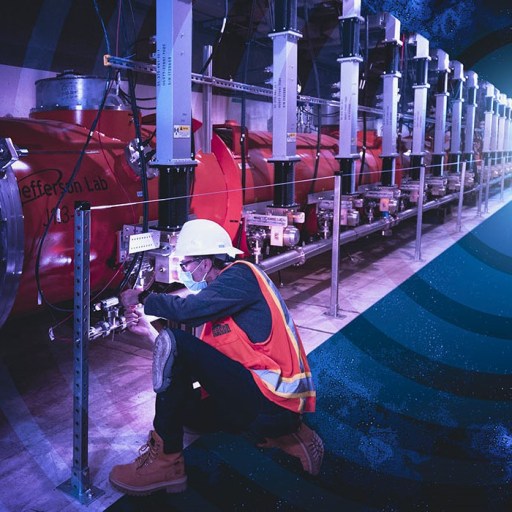
The largest particle accelerator and collider ever built is the Large Hadron Collider at CERN. Why not go much, much bigger?
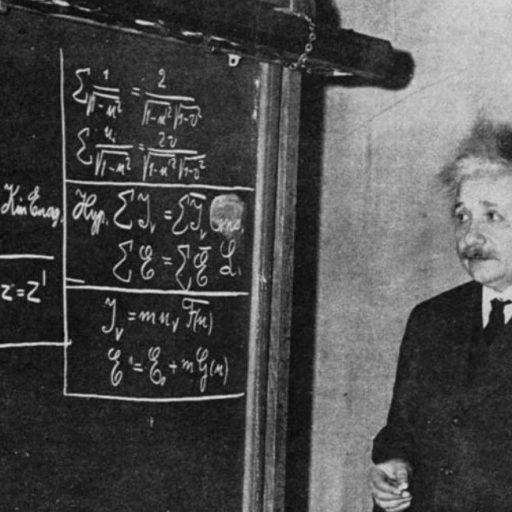
More than any other equation in physics, E = mc² is recognizable and profound. But what do we actually learn about reality from it?
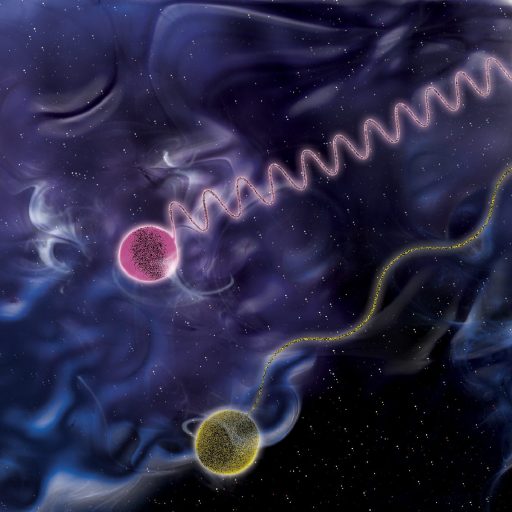
The Michelson-Morley experiment of 1887, despite expectations, revealed a null result: no effect. The implications were revolutionary.
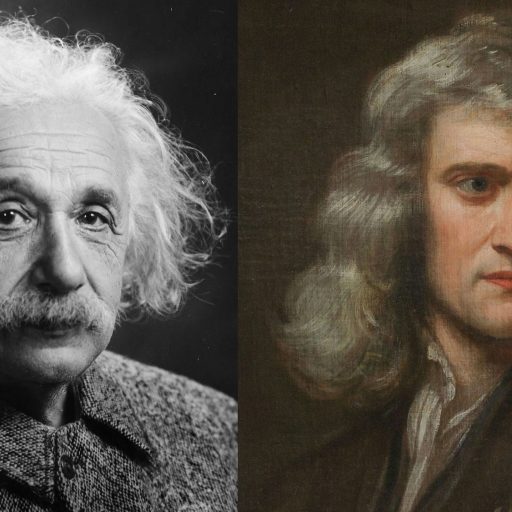
For centuries, Newton's inverse square law of gravity worked beautifully, but no one knew why. Here's how Einstein finally explained it.

From size to mass to density and more, each world in our Solar System is unique. When we compare them, the results are truly shocking.