







Search

Our mission is to answer the biggest questions of all, scientifically.
What is the Universe made of? How did it become the way it is today? Where did everything come from? What is the ultimate fate of the cosmos?
For most of human history, these questions had no clear answers. Today, they do. Starts With a Bang, written by Dr. Ethan Siegel, explores what we know about the universe and how we came to know it, bringing the latest discoveries in cosmology and astrophysics directly to you.
Read Less
with
Full Profile
Ethan Siegel is an award-winning PhD astrophysicist and the author of four books, including The Grand Cosmic Story, published by National Geographic.

Protected: Ask Ethan: Could evolving dark energy lead to a Big Crunch?
There is no excerpt because this is a protected post.
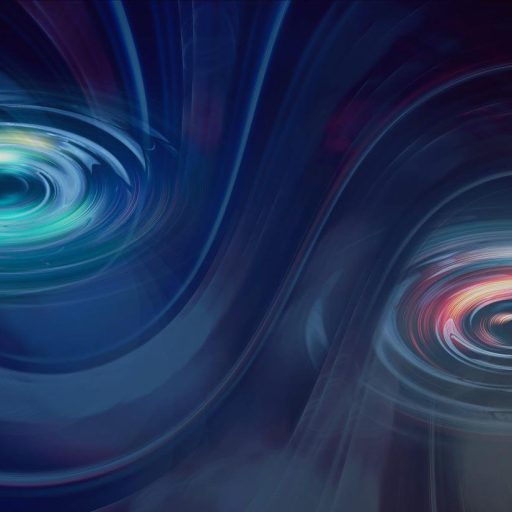
It's possible to remove all forms of matter, radiation, and curvature from space. When you do, dark energy still remains. Is this mandatory?
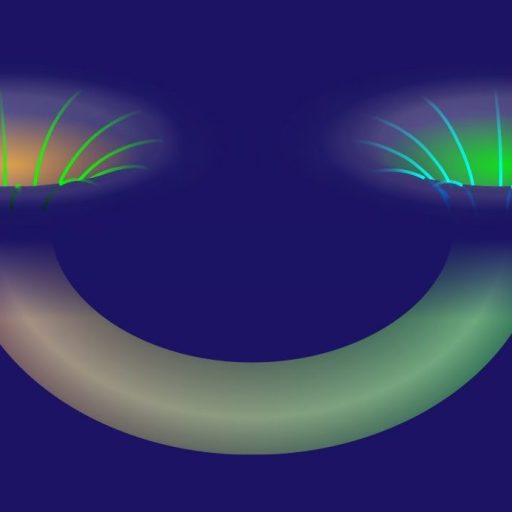
Do we actually live in a deterministic Universe, despite quantum physics? An alternative, non-spooky interpretation has now been ruled out.
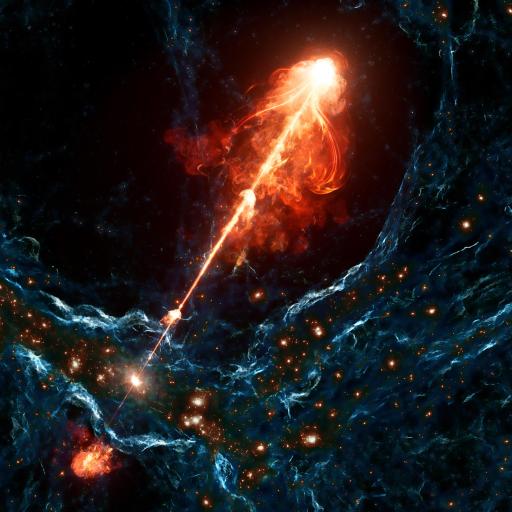
With the discovery of Porphyrion, we've now seen black hole jets spanning 24 million light-years: the scale of the cosmic web.
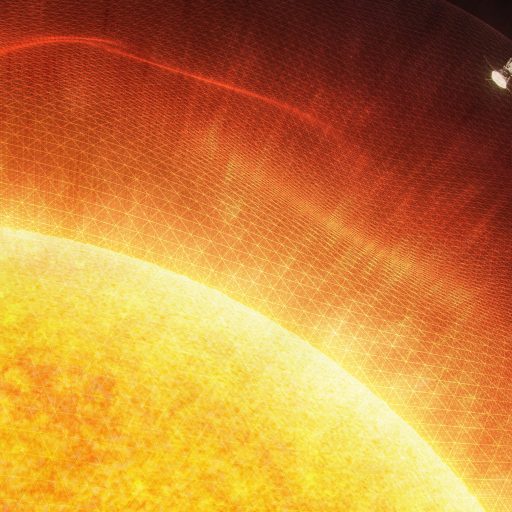
It would get rid of our hazardous, radioactive, and pollutive waste for good, but physics tells us it's a losing strategy for elimination.
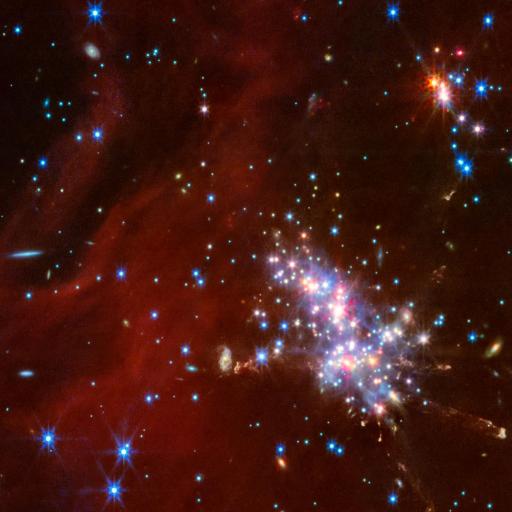
Almost all of the stars, planets, and interesting physics happens in the inner portions of galaxies. Is that conventional wisdom all wrong?
Within our observable Universe, there's only one Earth and one "you." But in a vast multiverse, so much more becomes possible.
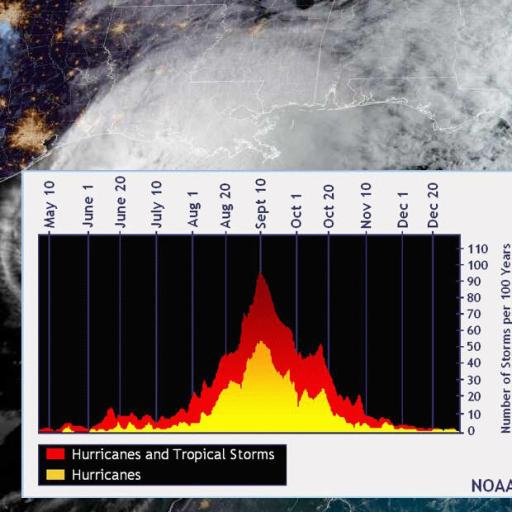
The laws of physics aren't changing. But the Earth's conditions are different than what they used to be, and so are hurricanes as a result.