

Search

Our mission is to answer the biggest questions of all, scientifically.
What is the Universe made of? How did it become the way it is today? Where did everything come from? What is the ultimate fate of the cosmos?
For most of human history, these questions had no clear answers. Today, they do. Starts With a Bang, written by Dr. Ethan Siegel, explores what we know about the universe and how we came to know it, bringing the latest discoveries in cosmology and astrophysics directly to you.
Read Less
with
Full Profile
Ethan Siegel is an award-winning PhD astrophysicist and the author of four books, including The Grand Cosmic Story, published by National Geographic.
Protected: Ask Ethan: Could evolving dark energy lead to a Big Crunch?
There is no excerpt because this is a protected post.
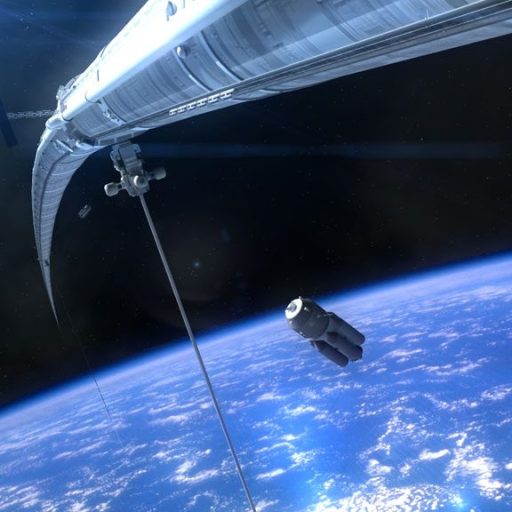
The observation that everything we know is made out of matter and not antimatter is one of nature's greatest puzzles. Will we ever solve it?
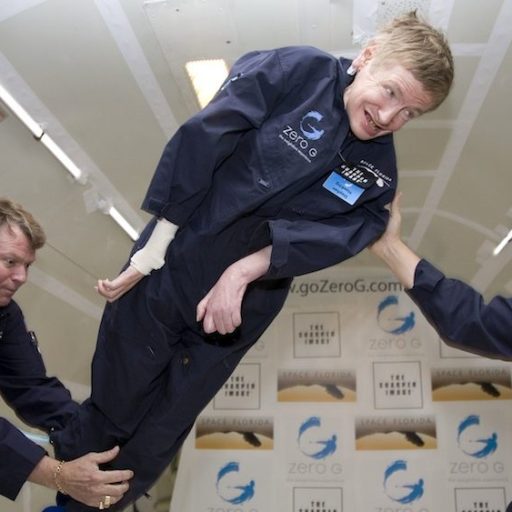
The mass that gravitates and the mass that resists motion are, somehow, the same mass. But even Einstein didn't know why this is so.
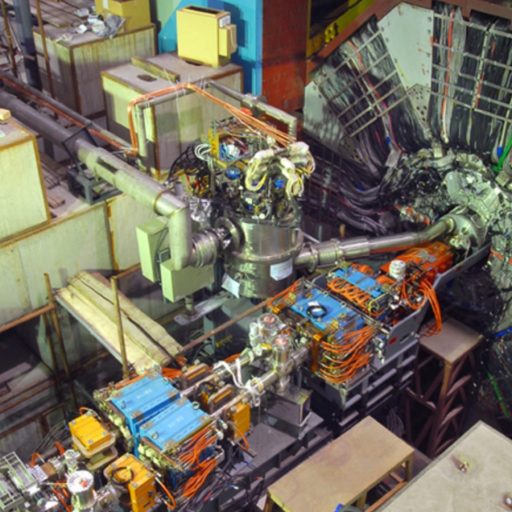
Scientific surprises, driven by experiment, are often how science advances. But more often than not, they’re just bad science.
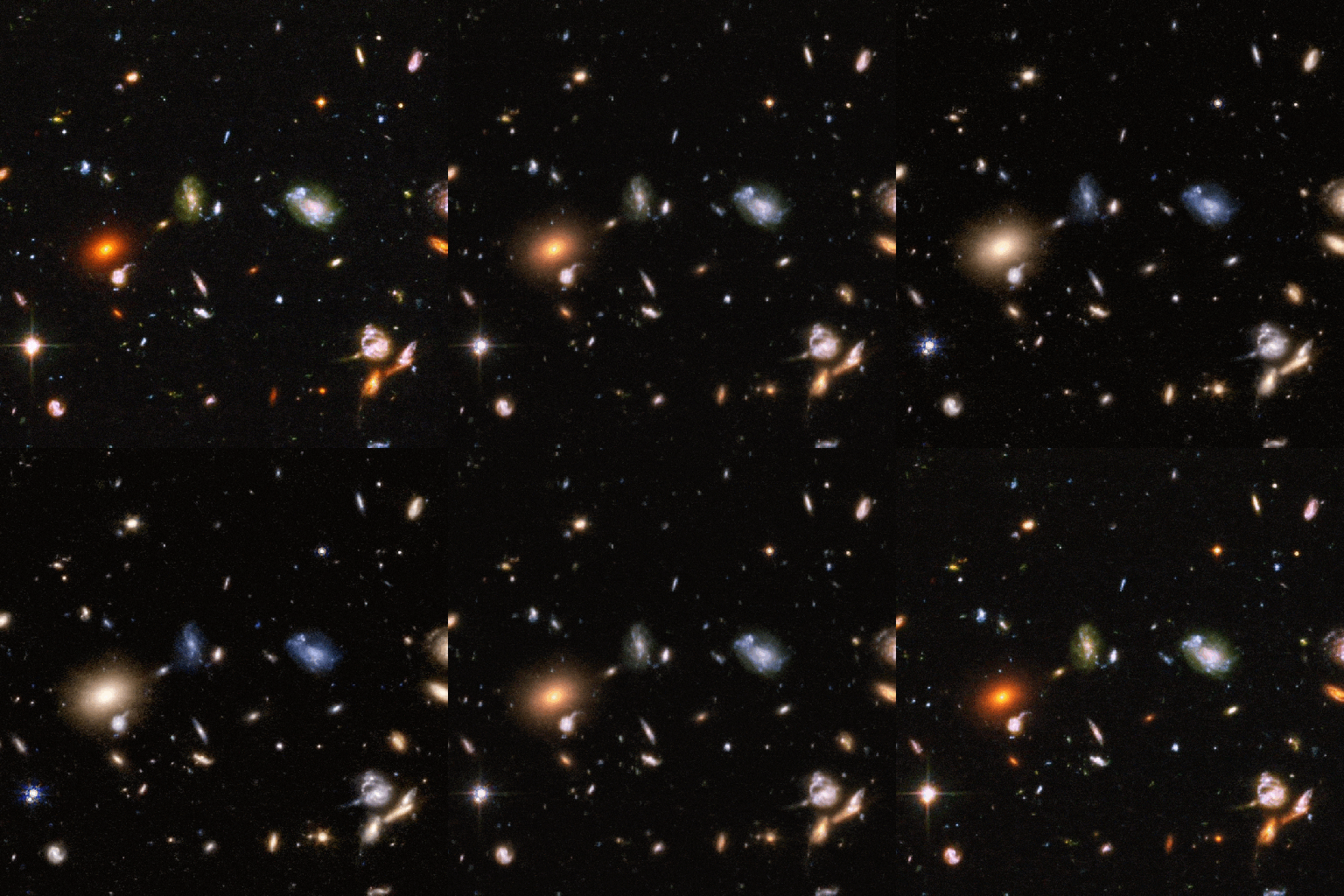
The "little red dots" were touted as being too massive, too early, for cosmology to explain. With new knowledge, everything adds up.
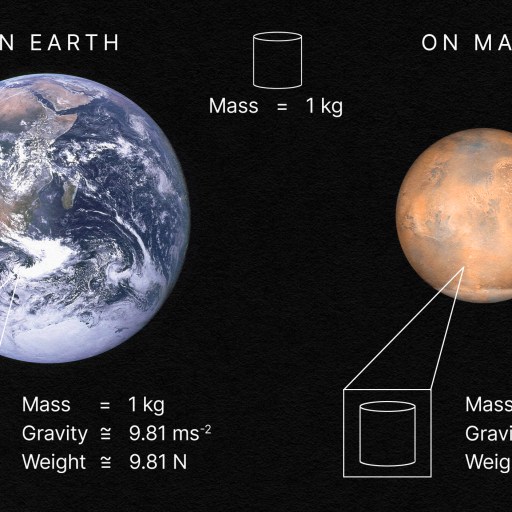
Here on Earth, we commonly use terms like weight (in pounds) and mass (in kilograms) as though they're interchangeable. They're not.
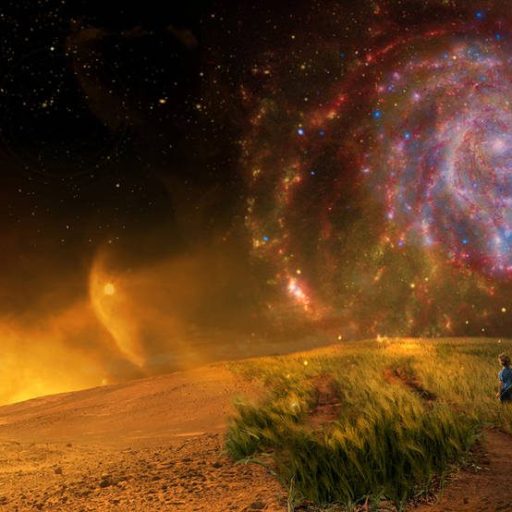
So far, Earth is the only planet that we're certain possesses active life processes. Here's what we shouldn't assume about life elsewhere.

The Universe isn't just expansion, but the expansion itself is accelerating. So why can't we feel it in any measurable way?