




















Search
Aesthetic Values

Cities and organizations alike risk becoming highly efficient — but indistinguishable — unless leaders actively preserve space for imagination and deviation.

8mins
"The thing that the nihilist recognizes is that the values he or she holds are not grounded in anything other than their own preferences."

12mins
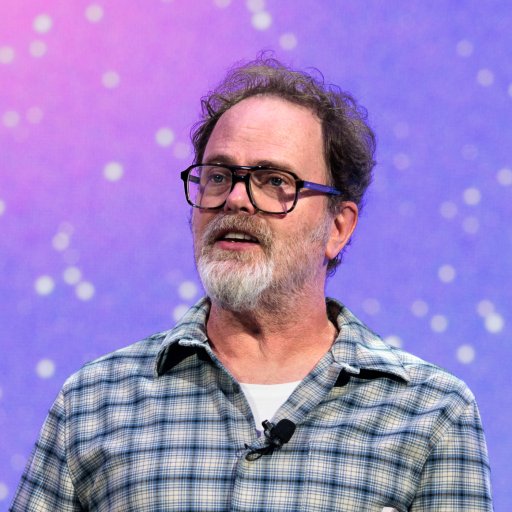
The hospital where Rainn Wilson’s wife and son nearly died became his own personal holy site. There, he discovered that the sacred can exist in places we least expect it.
During his talk at A Night of Awe and Wonder, he explained how the awe we feel in moments of courage and love is moral beauty — and following it might be the start of our spiritual revolution.

It's not just about the home; it's about everything.
2mins
“The media is 10x more likely to describe experiences of being alone as negative, as compared to positive.” Psychologist Ethan Kross shares how reframing the idea of loneliness can help us feel more peace when we’re on our own.

How to look cool in post-war France in black and white photos.

Here are three ways to do it better.

Wonder is like a guest you haven’t planned for.

How deep is your kink?

Want to study philosophy but skip some of its heavier tomes? These five novels are a great place to start. (Existential despair guaranteed.)

The award-winning nature writer, Robert Macfarlane, talks with Big Think about how to reacquaint ourselves with the rivers in our lives.

Barthes is dead — long live the artist.

In his book, "Birds, Sex and Beauty," Matt Ridley explores why learning isn't always nature versus nurture.

"Lookism" is prevalent and harmful. So why do so few take it seriously?

From Allen Funt to Donald Trump, author Emily Nussbaum explains how reality TV has blurred the lines between, well, reality and TV.
6mins
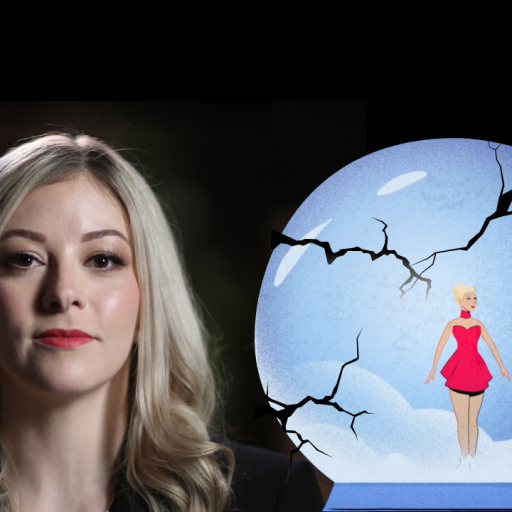
She’s a fierce competitor on the ice. But the figure skater’s toughest battle has been accepting her shortcomings and learning to love herself.
Unlikely Collaborators

The artistic and the mathematical mind are not so far apart.

What if the barrier to a fulfilled life isn’t technology but culture?

Some biologists believe natural selection produces animals that are just good enough. Dawkins disagrees.

1mins
What would the world be like if we focused on “the inherent beauty of math,” rather than its technical aspects? A statistician reflects:

Philosophy cures no disease and invents nothing new. What's even the point?

Slowing growth and limiting development isn’t living in harmony with nature—it is surrendering in a battle.

How has tennis changed in recent decades? The wear and tear on Wimbledon’s Centre Court may tell the tale.

Going against the grain is often difficult — but necessary for outperformance over the long-term.

Sound may be an overlooked tool for boosting well-being.

God is not a vending machine, but is it wrong to treat him like one?

“I believe that in the future, there will be a Francis Bacon of AI art,” Saltz tells Big Think. “We just haven't seen that artist yet.”

Beer before wine and you'll feel fine? Well, it depends.

8mins
What do aliens, apes, and orchestras all have in common? Professor Michael Spitzer explains how they each help us understand the origins of music.