
















Search
Critical Thinking

Philosophers rarely change their minds. These thinkers did — often at social and professional cost.

Members
Economist Larry Summers suggests that instead of judging decisions by their outcomes, we should evaluate them based on the rational process used to develop strategies, considering all relevant costs, benefits, and consequences.
Members
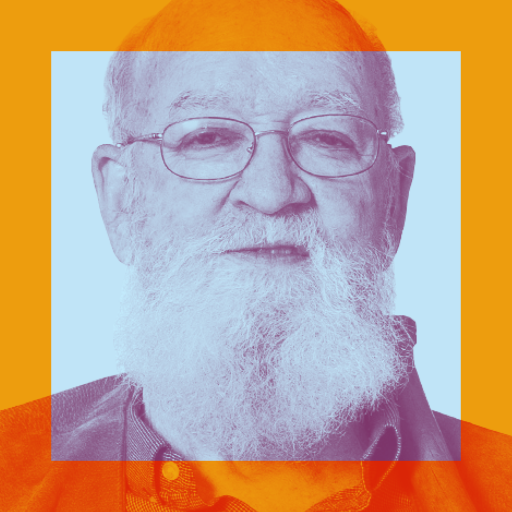
Philosopher Daniel Dennett offers time-tested techniques from philosophy and cognitive science to help navigate modern challenges like "fake news" and AI, emphasizing the importance of inquiry and critical thinking in uncovering the truth.

Members
In a world overwhelmed by confident yet often misleading claims, research professor Alex Edmans emphasizes the importance of critical thinking and informed decision-making to combat misinformation and enhance our freedom.

Members
Strategic thinking, as defined by Michael Watkins, involves critically and creatively envisioning potential futures beyond the current situation, and he outlines six specific disciplines to intentionally cultivate this mindset.
Members
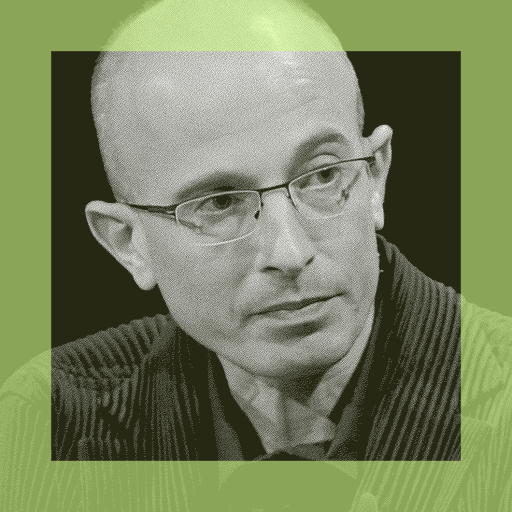
As AI rapidly transforms our reality and reshapes engagement with information, Professor Yuval Noah Harari urges us to pause and critically consider the implications of coexisting with non-human intelligence, emphasizing the need for responsible leadership and safeguarding our humanity.
Members
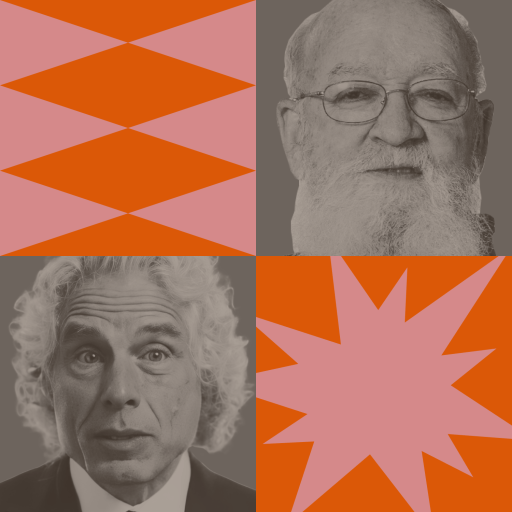
This class, featuring insights from experts like Steven Pinker and Gary Marcus, equips learners with critical thinking tools to navigate biases, understand scientific research, and make informed decisions in a media-saturated world, emphasizing the importance of questioning assumptions and grounding perceptions in data.

Members
This class, featuring experts like Timothy, Herman, and Zollman, explores organizational culture and decision-making by emphasizing psychological qualities, diverse perspectives, and the importance of collaboration, trust, and organized skepticism to enhance team effectiveness and combat cognitive biases.

Members
This class explores human decision-making, emphasizing humility and data-driven analysis while addressing cognitive biases like availability bias and confirmation bias, ultimately equipping participants with strategies to improve judgment and navigate complex choices through a blend of psychological insights and practical applications.

Members
This class, led by experts like Natalie Nixon and Jonah Berger, teaches the transformative power of questioning—through shadow, open, and bridging inquiries—to enhance relational intelligence, foster authentic connections, and promote effective leadership and collaboration in personal and professional contexts.

Members
This course on strategic empathy, led by instructors like Amaryllis Fox and Liv Boeree, teaches participants to understand opposing viewpoints through "Red Teaming," while addressing cognitive biases and emphasizing the importance of historical context, cultural awareness, and ethical decision-making in complex global issues.

Members
This class explores human cognition and decision-making through insights from experts like Michio Kaku on magical thinking, Madhavan on systems-level thinking, Mlodinow on elastic thinking, Konnikova on deductive reasoning, and Summers on structured decision-making, promoting a scientific mindset for effective problem-solving.

A childhood spent under the spell of sleight-of-hand taught me skepticism, curiosity, and the habit of looking beneath appearances.
Welcome to The Nightcrawler — a weekly newsletter from Eric Markowitz covering tech, innovation, and long-term thinking.

Real understanding, argues Jeff DeGraff, doesn’t come from outputs — it comes from practice.

“Who ya gonna believe: me or your own eyes?” Until you can assess your perception, the answer should be neither.