














Search
Diversity
Members
Despite the ongoing challenges of achieving gender equality in the workplace, research indicates that diverse teams outperform homogeneous ones, highlighting the critical role organizations play in fostering diversity, as emphasized by Sallie Krawcheck, CEO of Ellevest.

Members
The decades-old movement to diversify workplaces has yielded mixed results, as NYU Law professor Kenji Yoshino suggests that companies often impose restrictive definitions of diversity, and advocates for fostering connections with those who feel pressured to suppress their identities for acceptance.

Members
Productivity consultant Carson Tate emphasizes that while you may feel overshadowed by others' natural abilities, there is no universal method for productivity; instead, it's crucial to tailor your approach to maximize your results.

Members
Politeness and pushiness are simple, but recognizing diverse communication styles—termed "relational intelligence" by Angie McArthur, CEO of Professional Thinking Partners—is challenging yet essential for reducing misunderstandings in the workplace.

Members
Primatologist Frans de Waal argues that studying chimpanzees and bonobos not only fascinates but also provides valuable insights into human behavior, particularly in areas like leadership, emotions, and gender, which are essential to our identity and societal functioning.

Members
Professor Valerie Purdie Greenaway highlights that while overt discrimination receives attention, subtle, unintentional biases can be equally or more harmful, yet everyone has the ability to recognize and address these biases.
Members
Cultivating diversity, equity, and inclusion in the workplace is complex due to individual identities and biases, but inclusion specialist Ruchika Malhotra emphasizes that those in power should leverage their privilege to create opportunities for underestimated groups, while all employees can foster a more inclusive culture.

Members
This class, featuring experts like Timothy, Herman, and Zollman, explores organizational culture and decision-making by emphasizing psychological qualities, diverse perspectives, and the importance of collaboration, trust, and organized skepticism to enhance team effectiveness and combat cognitive biases.

Members
This class, led by experts like Lisa Lampanelli and Amy Cuddy, teaches essential communication skills for authentic audience connection, focusing on storytelling, self-awareness, and adapting to diverse perspectives in today's multicultural workplace.
In “On Liberalism," Cass Sunstein argues that liberalism can only endure if we reclaim its core commitments and revive its spirit of freedom and hope for the future.

In "That Book Is Dangerous," author Adam Szetela examines the rise of the “Sensitivity Era” in publishing and how outrage campaigns try to control what books authors can write and readers can read.
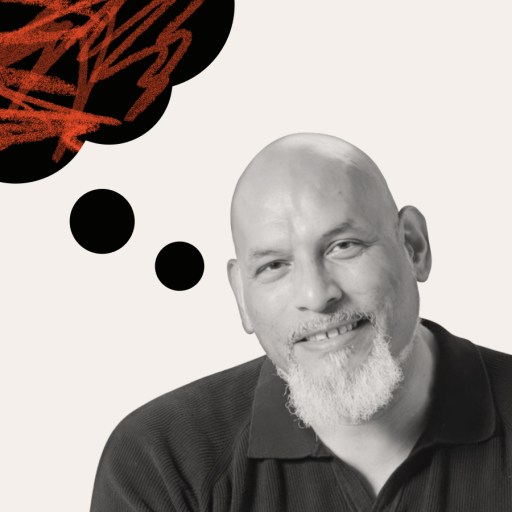
The psychologist, educator, and former NBA player discusses the professional volumes and childhood stories that shaped his life and his approach to it.