




















Search
Earth Science

19mins
“So many things could have happened in a different way that we wouldn't be here at all, both individually, for sure, and certainly as a species.”
6mins
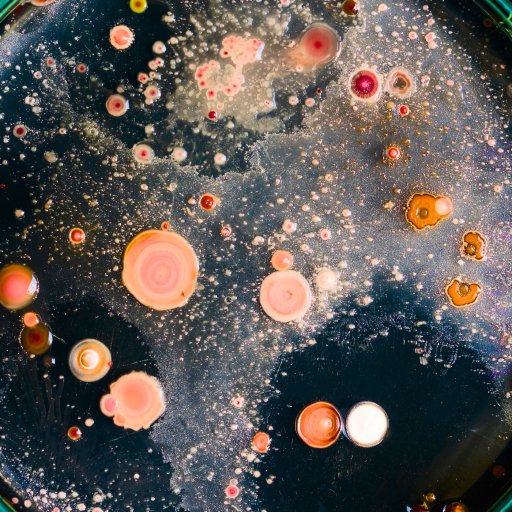
These microbes endured the unlivable. The NASA astrobiologist who studies them reveals what that means for us today

2mins
“We wouldn’t be able to talk about minerals if it weren’t for the minerals themselves.” Mineralogist Bob Hazen explains how Earth’s rocks can teach us about our planet’s technicolor history.

3mins
The mind-blowing theory that everything is evolving—from minerals to music—explained in 3 minutes by a Carnegie scientist.

3mins
“I study the mineral kingdom — and its secrets could lead us to alien life.”
35mins
Kmele talked with a planetary scientist, a physicist, and a futurist, to understand how visionaries across disciplines are thinking about the future of our planet and humankind.

The 1815 eruption of Mount Tambora is one of the reasons why Bryan Walsh sees supervolcanoes as the” single, biggest threat to the human race.”