




















Search
History and Society

7mins
“If given a chance, nature can rebound, and nature can rebound dramatically.” Biologist Sean B. Carroll discusses the resilience of nature and how humans can help it thrive. Humans litter, […]

11mins
Humanity has two giant collisions to thank for its existence, explains biologist Sean B. Carroll.

24mins
Mating, monogamy, and maximizing your sexual potential explained by 3 sex experts.

6mins
Why most billionaires aren’t geniuses and most geniuses aren’t billionaires, explained by political scientist Brian Klaas.

8mins
James Suzman lived with a tribe of hunter-gatherers to witness how an ancient culture survives one of the most brutal climates on Earth. His learnings may surprise you.
6mins
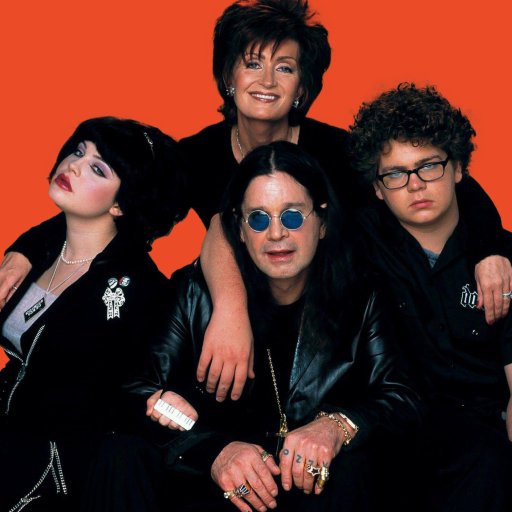
The Osbournes was MTV’s biggest show – and it almost cost Jack Osbourne his life. Here’s how his family’s reality TV fame stole his childhood, and how he’s been able to heal since.
Unlikely Collaborators

31mins
Author of the Canceling of the American Mind Greg Lukianoff explains the current state of free speech in the United States.

5mins
Adam Bryant interviewed over 1,000 CEOs. These are the 3 critical skills to running a company.

9mins
From hunter-gatherers to the American Dream: This is how humanity’s definition of “work” has developed over time.

29mins
Four visionaries—Kevin Kelly, Peter Schwartz, Ari Wallach, and Tyler Cowen—share their insights on the future, urging viewers to consider the impact of their actions on future generations.
35mins
Kmele talked with a planetary scientist, a physicist, and a futurist, to understand how visionaries across disciplines are thinking about the future of our planet and humankind.

31mins
Filmmaker Godfrey Reggio, rock icon Steve Albini, and comedian Fred Armisen told Kmele how they make sense of the world — and leave their mark on it.

43mins
Consciousness isn’t just a problem for philosophers. On this episode of Dispatches, Kmele sat down with scientists, a mathematician, a spiritual leader, and an entrepreneur, all trying to get to the heart of “the feeling of life itself.”

6mins
MakeLoveNotPorn founder Cindy Gallop says women need to stop giving a damn what people think.
Unlikely Collaborators

8mins
Fraud is a $5 trillion “industry.” But not all its perpetrators look alike. Kelly Richmond Pope, a professor of accounting, breaks down who commits fraud — and why.

36mins
Are we the stories we tell? Kmele sat down with legendary conservationist Jane Goodall, actor Terry Crews and psychologist Dan McAdams to discuss how humanity makes its meaning.

42mins
The Santa Fe Institute is a cradle of modern research. Our host Kmele meets some of the brilliant minds who work there.
5mins
The NFL icon talks overcoming a difficult childhood and what’s needed to succeed in a world where the cards are stacked against you.
Unlikely Collaborators

12mins
Thinkers like Richard Reeves, Louise Perry, and Judith Butler discuss parenthood and the future of the sexual revolution.
BetterHelp

6mins
Ideas that seem wildly controversial today may move humanity towards progress. Philosopher Peter Singer asks —how do we keep them from being stifled?

12mins
There are a few theories as to why we’ve never found other intelligent life in our Universe. Physicist Brian Cox walks us through them.

3mins
More CPAs are retiring than are joining the field. What’s going on? Forensic accountant Kelly Richmond Pope explains.

39mins
Throw away your history books — here’s what life in ancient Rome was really like, according to Cambridge scholar Mary Beard.

5mins
Gravity defies quantum mechanics. What does that mean for a theory of everything?

6mins
Scientists can't define spirituality. But we can study its healing effects, says this Columbia psychologist.

Two-time debate world champion Bo Seo gives 3 tips for constructing the perfect argument.

6mins
Knowing your key strengths can make you happy in anything you do. Here’s how to identify them.

6mins
University College London professor Brian Klaas exposes the ugly truth about world leaders.

7mins
Primatologist Frans de Waal inadvertently popularized the term "alpha male." Now, he’s debunking common stereotypes to explain what an "alpha male" really is — empathetic and protective.

7mins
Plato and Carl Sagan were wrong about the human brain, says a top neuroscientist.