




















Search
Identity Formation

Ambition. Descent. Wisdom.
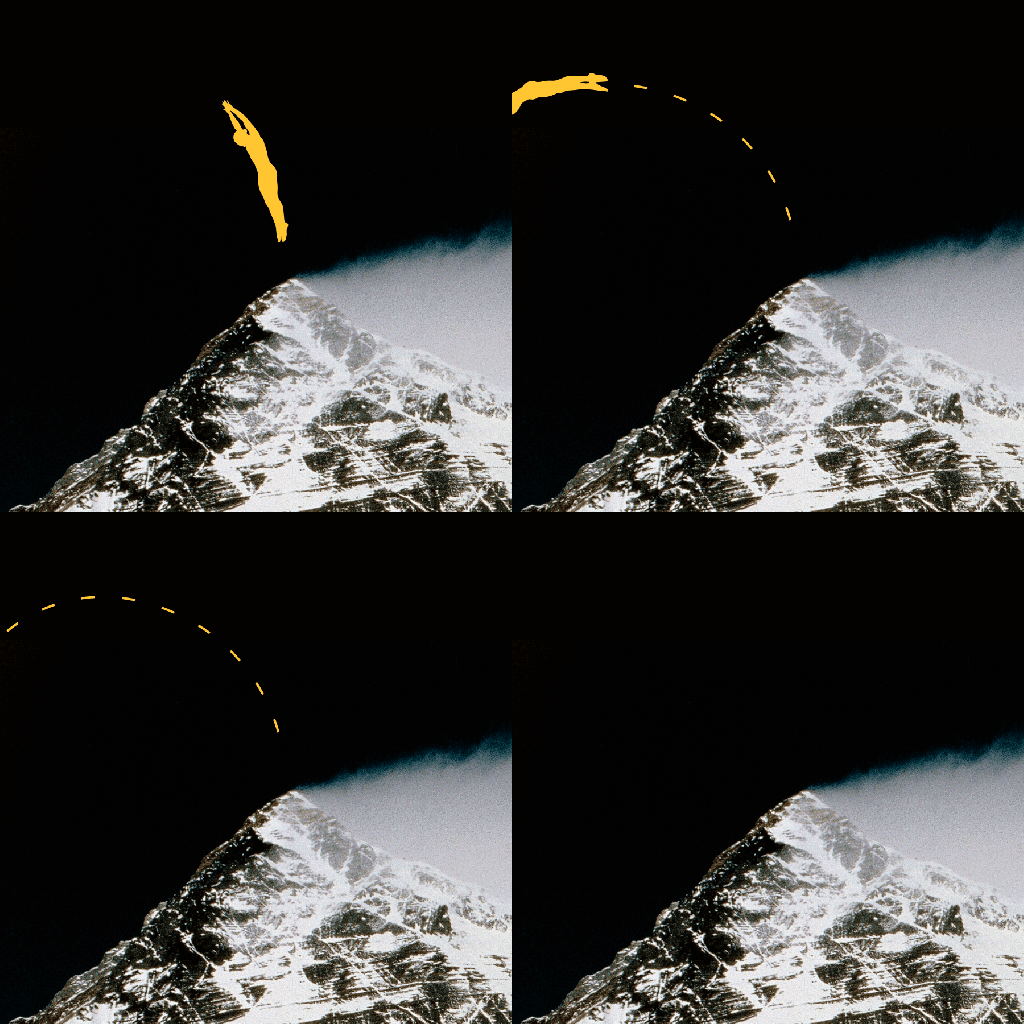
For elite climbers, divers, and explorers, mastery can fuel an escalation loop in which identity and danger rise together.

Bryan Washington, author of “Palaver,” reflects on how moving to Japan and learning a new language shaped his writing.


1hr 42mins
“Why would adding shame and blame help me improve my behavior?”


Members
Primatologist Frans de Waal argues that studying chimpanzees and bonobos not only fascinates but also provides valuable insights into human behavior, particularly in areas like leadership, emotions, and gender, which are essential to our identity and societal functioning.

Neuroscientist Anne-Laure Le Cunff on how to spot and break free from cognitive scripts that limit personal growth.

An interview with renowned mythologist Martin Shaw about persona, presence, and how to spend life's finite time.

Reading this article would be such a millennial thing to do.

6mins
We’re all assigned a label at some point in our lives. You might be the smart one, the creative one or the lazy one. But is that designation really an […]
Unlikely Collaborators

The hidden story behind Greek surnames and how they trace family origins across the country — starting with the name of a would-be U.S. president.

7mins
Finding meaning isn’t just personally fulfilling — it’s critical to our brain’s development, explains USC neuroscientist.

12mins
Is “identity synthesis” the remedy for racial injustice? This political scientist says no.
6mins
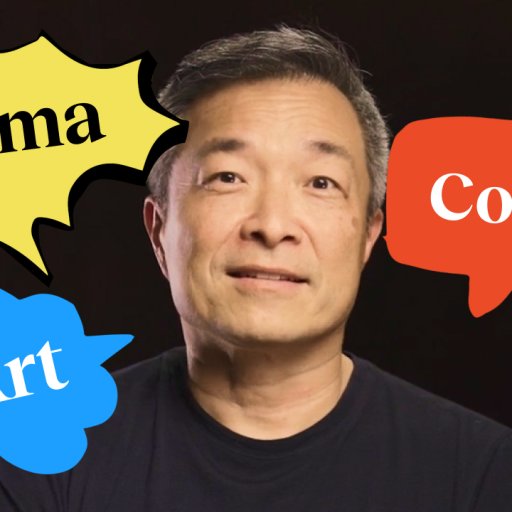
Jim Lee, President, Publisher, and Chief Creative Officer of DC Comics, tells us how his childhood obsession with Superman changed his life.
Unlikely Collaborators

After my father died, my journey of rediscovery began with the Czech language.

The author of Frankenstein had an obsession with the cemetery and saw love and death as connected.

4mins
How do “you” emerge from a collection of cells? A biologist explains.

5mins
Humans, like animals, are driven by instincts. But we also have wants. Here’s what that means for our lives.

This was largely a philosophical question until 2005, when a surgical team in France performed the first partial face transplant.

We bring multifaceted selves to our interactions, and in these interactions co-create each other again and again.

If you lost your religion, it might be because the internet and social media are having a secularizing effect on American society.

8mins
He lived with a tribe of hunter-gatherers to witness how an ancient culture survives one of the most brutal climates on Earth. His learnings may surprise you.

From politics to culture, we blame “tribalism” for humanity’s problems. This explanation is entirely wrong.
John Templeton Foundation

Be famous within five miles.

When you wish upon a star, it probably makes a difference who you are.

Polarization or misunderstanding?

According to Sigmund Freud, our revulsion at taboos is an attempt to suppress a part of us that actually wants to do them.

For some people, there is only one thing to live for. They commit their entire being to that thing. They are dangerous.