



















Search
Management
Members
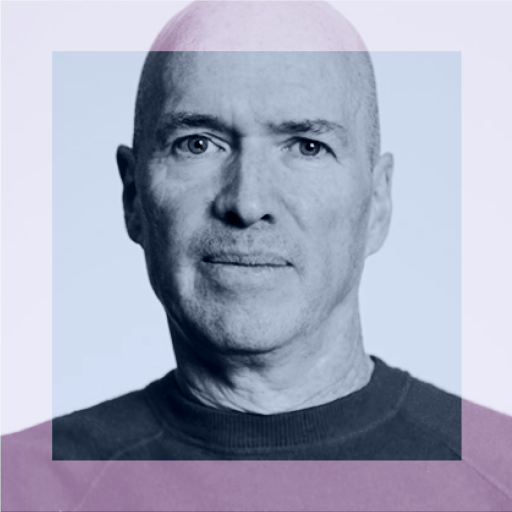
Leadership demands resilience, as it involves navigating high-stakes decisions amid challenges like market shifts, but venture capitalist Ben Horowitz advises that embracing tough problems rather than avoiding them is key to moving forward.

Members
Chip Conley suggests that viewing emotions as equations can help you identify adjustable variables and constants beyond your control, making overwhelming feelings more manageable through a mathematical perspective.

Members
High-conflict personalities, characterized by predictable behaviors, create drama in relationships, but by recognizing these patterns in ourselves and others, as suggested by lawyer and therapist Bill Eddy, we can effectively navigate these challenging situations.

Members
To thrive in a new leadership role, Michael Watkins advises understanding the organization's culture and assessing its needs, which will help you adapt your leadership style and gain support from superiors and team members.

Members
Restaurateur Will Guidara emphasizes that extending hospitality to employees, alongside customers, fosters a culture of shared values and purposeful communication, ultimately enabling staff to feel valued and perform at their best.

Members
Empathy and cooperation are essential for success, as the quality of personal and professional lives hinges on the complexity of relationships, which require effective listening, communication, and conflict management from both parties, according to Todd Davis of FranklinCovey.

Members
Simon Sinek emphasizes that both individuals and organizations thrive by identifying their "why," fostering a purpose-driven culture that supports personal growth and honesty in the pursuit of meaningful goals.
Members
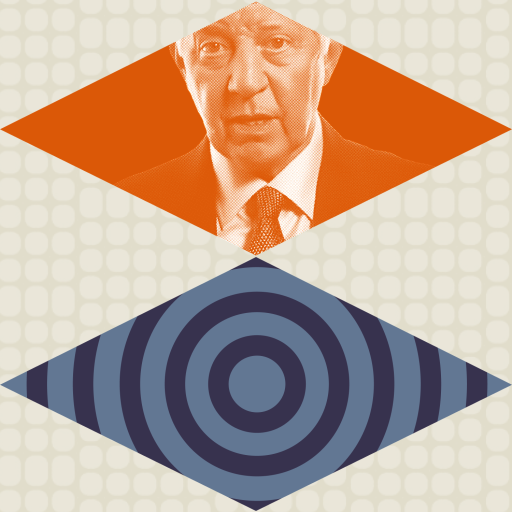
Leadership is evolving from traditional views of strength and ambition to a focus on authenticity, as emphasized by Bill George, former chairman and CEO of Medtronic.
Members
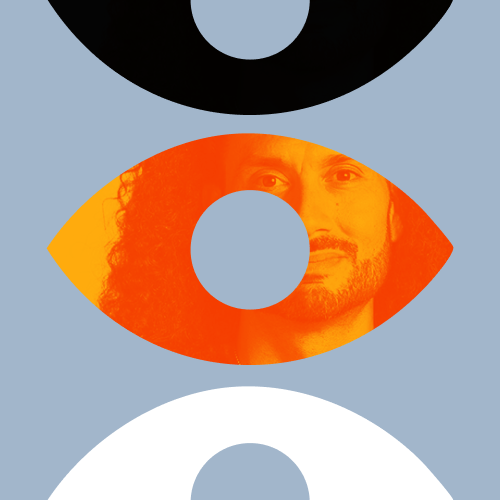
Join former CIA officer Andrew Bustamante to discover how espionage strategies and psychological insights can enhance your business and leadership skills, helping you motivate teams, safeguard secrets, and unlock your inner secret agent.

Members
Aristotle's notion of man as a political animal highlights that 21st-century career success hinges on effectively navigating complex relationships and the social and political dynamics within organizations, as emphasized by Harvard Business School professor Linda Hill.

Members
Michelle Tillis Lederman defines a connector as a relationship-focused individual, emphasizing that nurturing professional networks with the same intent as personal relationships can significantly enhance career development, allowing connectors to achieve their goals more efficiently.

Members
Despite the pitfalls of multitasking leading to burnout, productivity expert Cal Newport advocates for "slow productivity," which emphasizes focused, intentional work that prioritizes long-term output over performative tasks, ultimately enhancing both accomplishment and well-being.

Members
In this expert class, executive coach Alisa Cohn shares principles and practices designed to help you overcome self-doubt and insecurity, enabling you to become a more natural leader for your team.

Members
To enhance professional fulfillment, Liz Wiseman advocates for becoming an impact player—delivering exceptional value and aligning efforts with organizational priorities—without sacrificing well-being, thus earning independence and credibility while avoiding burnout.

Members
Marketing professor Jonah Berger emphasizes that understanding linguistics can enhance our communication skills, enabling us to fit in, persuade, engage, and positively influence others, especially with the aid of advanced language analysis tools and his SPEACC Framework.

Members
Suzy Welch argues that the persistent narrative separating management from leadership overlooks their essential intersection, with effective leaders mastering both inspiring vision and detailed execution, a blend she terms “lanaging.”

Members
This class, led by experts like Amy Cuddy and Tony Coles, focuses on developing presence, emotional intelligence, and self-knowledge to enhance personal and professional growth, emphasizing the importance of self-affirmation, leadership dynamics, and creating a supportive workplace culture.

Members
Led by experts like Angie McArthur and Ginni Rometty, this class teaches relational intelligence through lessons on empathy, conflict resolution, and self-awareness, emphasizing the importance of respectful communication and vulnerability in transforming challenging interactions into collaborative opportunities.

Members
This emotional intelligence (EQ) course, featuring experts like Daniel Goleman and Amy Cuddy, highlights EQ's vital role in career success, offering strategies to enhance self-awareness, management, and interpersonal skills, ultimately fostering better performance in personal and professional settings.

Members
This class teaches the vital role of managing professional relationships and networks for career success, emphasizing trust, strategic connections, and effective communication, as highlighted by experts like Linda Hill, Nicholas Christakis, Adam Grant, and General Stanley McChrystal.
Members
This class equips participants with strategies from experts like David Goggins, Amy Cuddy, and Dr. Rudolph Tanzi to enhance mental strength and emotional well-being through mindfulness, body-mind techniques, and compassionate emotional processing, ultimately fostering resilience and personal growth.
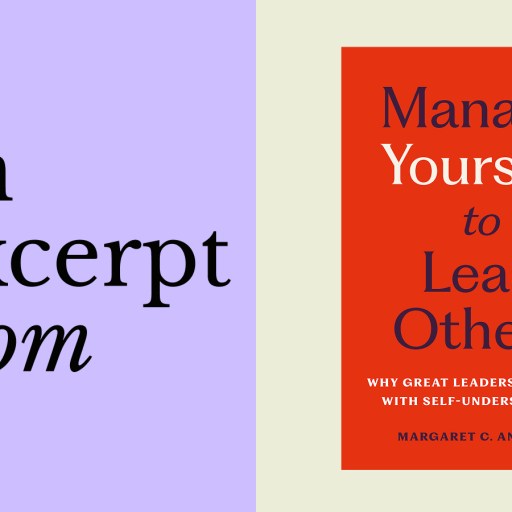
Aristotle taught that “knowing yourself is the beginning of all wisdom” — all leaders and teams should take note.
Strategyzer CEO Alex Osterwalder on why entrepreneurs should take a leaf from Amazon’s innovation playbook.

Harvard Kennedy School professor and author Arthur C. Brooks guides us through the give-and-take of feedback — even when it is negative.

7mins
From trepanning to lobotomies, humans have long struggled to manage emotion. Today, we have better tools. Psychologist Ethan Kross shares what actually works, and why.