




















Search
Meditation

TikTok gave an old practice a terrible name. Neuroscience explains why it actually works.

Neuroscientist Christof Koch on why reflective self-consciousness separates us from intelligent machines.

What 150-year-old Japanese workshop Kaikado can teach us about finding calm through focus in an age of distraction.

53mins
Members
“Our conscious awareness is everything. And the fact that it's still so mysterious to scientists and to all of humanity, the fact that it's still one of the great unsolved mysteries makes it something that everyone can be excited about and that inspires awe in everyone.”
11mins
Having explored the Mariana Trench, the summit of Everest, and the edge of space, Victor Vescovo knows what awe feels like in its most dramatic forms. What surprised him most was how often that same feeling appears in everyday life.

Panpsychist philosopher Philip Goff, PhD on mysticism and the future of faith.
John Templeton Foundation
3mins
From neuroscience to philosophy, experts reveal why compassion may be the most important human skill we have.
Unlikely Collaborators

21mins
“The idea is that we move from a place of wanting the world to conform to what we like [towards] not needing other people to be different from who they are.”
3mins
Philosophy asks if free will is real. Neuroscience reveals why the answer is more complicated than we expected.
Unlikely Collaborators

Members
The average American works 1,700 hours annually, but Buddhist meditation teacher Sharon Salzberg suggests that instead of reserving relaxation for weekends, we should incorporate mindfulness into our daily lives for greater happiness and connection both at work and home.
7mins
How can the brain — a piece of matter — love? Physics and chemistry explain the material world, but they can’t explain why it feels like something to be alive. This is the mystery of consciousness, according to these experts.
Unlikely Collaborators
6mins
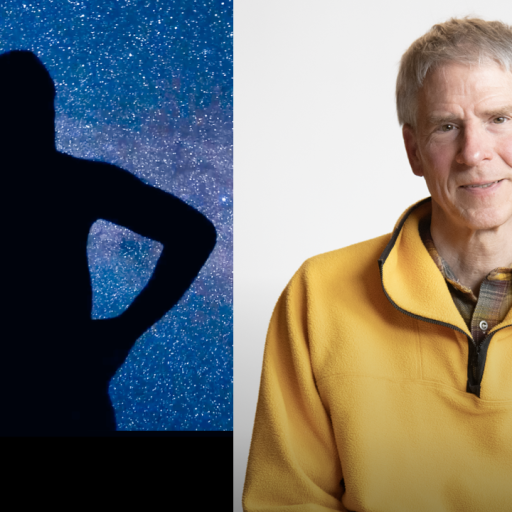
Everything you experience is filtered through your brain, and everyone’s brain is different. Neuroscientist Christof Koch explains how understanding this can deepen your connection to the world around you.
Unlikely Collaborators

9mins
“You can be aware of sadness from a point of view that is not merely sad, and you can be aware of fear from a point of view that's not merely afraid.”

5mins
What happens when the boundaries of “you” disappear? James Fadiman, PhD, Jamie Wheal, and Matthew Johnson, PhD explore how supported experiences with psychoactive drugs can dissolve identity and reveal a deeper reality.
Unlikely Collaborators

1hr 1mins
“We can make ourselves more likely to be happy by building a life that includes the conditions that make for happiness.”

17mins
"The sense that we are a solid entity, an unchanging entity that exists someplace in our body and takes ownership of our body, and even ownership of our brain rather than being identical to our brain, that is where the illusion lies."

21mins
"You can't possibly exaggerate how much better it is to live in a peaceful, orderly society, and to be wealthy, and healthy, and surrounded by people who you love."

1hr 16mins
“We know that as little as 10 minutes of walking can improve your mood, getting that bubble bath with the dopamine, serotonin, endorphins going. Anybody can do that.”

Our brains cling to the bad. This method could help balance the scales.

1hr 41mins
"We're awash in lies and misinformation to a degree that was not possible before we got the internet and in particular before we got social media."

10mins
“Many people get stuck in feeling responsible for their psychological state, and there's a way in which simply being with whatever uncomfortable emotions rather than believing that you are controlling them can be extremely beneficial for psychological wellbeing.”

Desire is like a drug. But is an addict always an addict?

7mins
Challenging the loneliness stigma can change your life. Here’s how to start.
Unlikely Collaborators

Take a seat. Take a breath. Take a break.

A recent study suggests that exposure to visual stimuli can diminish the effects of psychedelic drugs.
6mins
Psychologist Daniel Goleman on how to train your brain with just ten minutes a day.

6mins
Pathologically busy people clamoring for happiness. Founder of HATCH Monica Parker explains how we can do so much better than that.

5mins
Enlightenment: After the ecstasy, the laundry. Why enlightenment is never an end in itself.

Adrie Kusserow, an anthropologist and scholar of Buddhism, shares how her study of the religion and its history has reshaped her view of the world — and herself.

Studies claiming to reveal strategies for feeling happy get a second look.