




















Search
Memory Systems
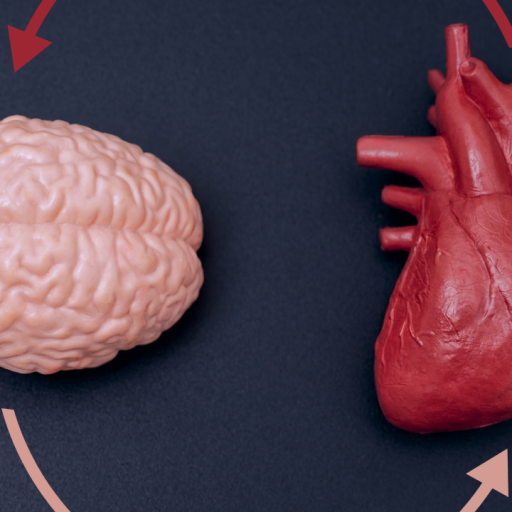
6mins
You've heard of the mind-body connection. But have you ever actually tried to understand your own? Three scientists break down the feedback loop running your brain and body — and what becomes possible when you learn to use it.
Unlikely Collaborators
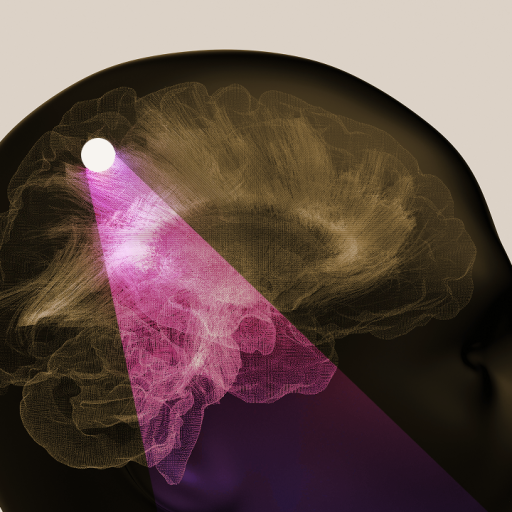
6mins
The voice in your head feels like your own, but it’s actually constructed by neurological processes. Three experts explain how this system shapes both perception and identity.
Unlikely Collaborators
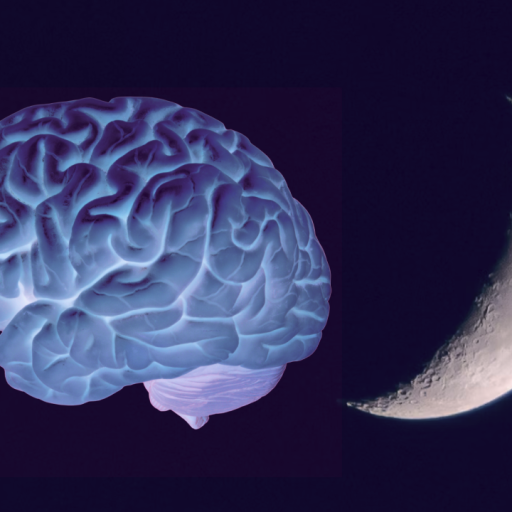
3mins
Sleeping better helps you think better, which helps you live better. Three experts explain why quality sleep is imperative to brain function, problem solving, communication, and more.
Unlikely Collaborators

2mins
Your brain changes when you experience something, and it changes again when you remember it. Two neuroscientists explain what that means for memory, perception, and identity.
Unlikely Collaborators
6mins
There are three kinds of memory that all work together to shape your reality. Neuroscientist André Fenton explains.
Unlikely Collaborators

6mins
How do we deal with information overload and unlock creativity? Build a second brain.

9mins
Stress shrinks your brain. Neuroscientist Lisa Genova explains how to strengthen it.


9mins
Only 2% of Alzheimer’s is 100% genetic. The rest is up to your daily habits.

8mins
Having trouble learning? A PhD engineering professor gives you one key tip.
John Templeton Foundation

3mins
Is social media changing your memory? Here’s what the science actually says.

7mins
It’s not a glitch in the matrix. It’s not the Mandela effect. There’s actually a scientific reason you remember things wrong.

Humanity's most advanced tech still hasn’t unraveled the mysteries of the human mind. Can brain scans show us how we store memories?

4mins
What do candles, coffee, and candy have to do with it?