




















Search
Neuroscience

17mins
“Anxiety is focused on things that are important to you in life. That is the key.”

2mins
Your brain changes when you experience something, and it changes again when you remember it. Two neuroscientists explain what that means for memory, perception, and identity.
Unlikely Collaborators
7mins
Three doctors break down brain function, somatic awareness, and how to recover from bad experiences.
Unlikely Collaborators

17mins
"The sense that we are a solid entity, an unchanging entity that exists someplace in our body and takes ownership of our body, and even ownership of our brain rather than being identical to our brain, that is where the illusion lies."

7mins
From trepanning to lobotomies, humans have long struggled to manage emotion. Today, we have better tools. Psychologist Ethan Kross shares what actually works, and why.

18mins
“By not focusing on the outcome and instead designing a tiny experiment, what you can do is letting go of any definition of success, letting go of that binary results that you're looking for, and instead focusing something that makes you feel curious and that you want to explore.”

1hr 25mins
"Virtually everything we're taught about sexuality for the first two decades of our lives is wrong."

18mins
“We know that as little as 10 minutes of walking can improve your mood, that is getting that bubble bath with the dopamine, serotonin, endorphins going, anybody can do that.”
Why do we fall in love with one person over another? The late biological anthropologist Dr. Helen Fisher unpacks the evolutionary roots of romantic love, sex, and attachment. Using research […]

12mins
“You can debate all sorts of things about how the texture of American life has changed. What you can't debate is the sheer, objective, existential fact that Americans are more alone than ever.”
6mins
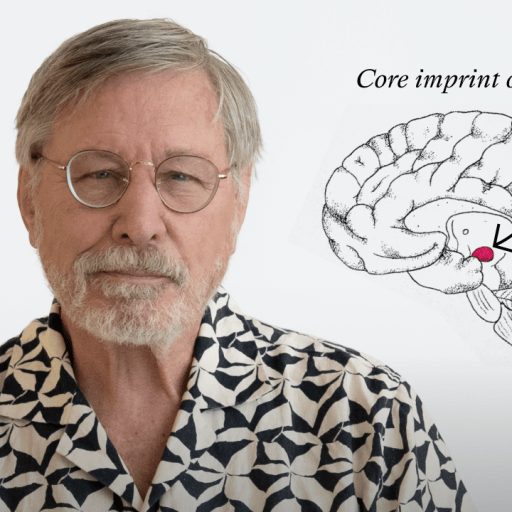
Psychiatrist Dr. Bessel van der Kolk discusses key methods for rewiring the brain, kickstarting the healing process, and opening your mind to new perspectives.
Unlikely Collaborators

1hr 16mins
“We know that as little as 10 minutes of walking can improve your mood, getting that bubble bath with the dopamine, serotonin, endorphins going. Anybody can do that.”

12mins
“The very same time that’s making you anxious is actually your most valuable asset. You can always create more energy and more money—but you can never create more time.”

14mins
"Being aware of your mindsets is the difference between living a conscious life, where you're making choices in accord with what you actually want and going where you actually wanna go, versus being on autopilot and having those mindsets subconsciously drive all of your decisions."

49mins
"We try to stick to routines and we try to go through very long lists of tasks, often ignoring our mental health in the process. There is a lot more to think about on a daily basis, but our brains haven't evolved."

11mins
"Everything that we care about, everything we experience, everything we know, we know it through our conscious awareness of it."

10mins
“Many people get stuck in feeling responsible for their psychological state, and there's a way in which simply being with whatever uncomfortable emotions rather than believing that you are controlling them can be extremely beneficial for psychological wellbeing.”

10mins
"Is it possible that consciousness is a much more basic phenomenon in nature and is essentially pervading everything?"
6mins
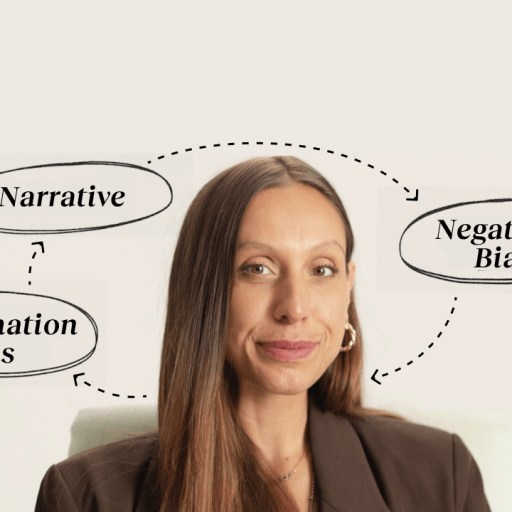
We’re all assigned a label at some point in our lives. You might be the smart one, the creative one or the lazy one. But is that designation really an […]
Unlikely Collaborators

5mins
“If we didn't find helping other people pleasurable, we wouldn’t be altruistic.”

7mins
Expanding your worldview starts with understanding your brain. Stanford neuroscientist David Eagleman explains.
Unlikely Collaborators

4mins
These 5 human development principles could completely change the way we think about learning and potential.

3mins
“Say what you want to say, and not what you feel.” Harvard happiness professor explains ‘metacognition’ techniques so you can grow your emotional intelligence:
1mins
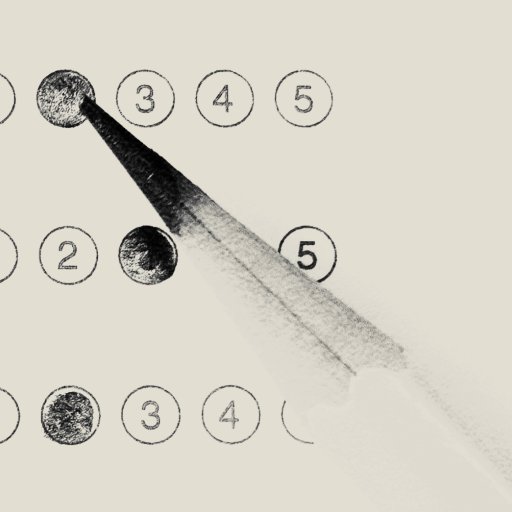
Testing is an attempt to measure intelligence. But is intelligence really what’s getting measured? A neuroscientist weighs in:

9mins
Humans are among the most altruistic species that we’ve studied, due to our alloparental instincts – a trait we evolved into that allows us to care for offspring who are […]

6mins
“How is it possible to do work that you’re proud of and not feel like your job is encroaching on all parts of your life?” Cal Newport, Author of ‘Slow Productivity,’ explains.
9mins
Dr. Aditi Nerurkar on toxic resilience and the importance of gratitude and breathing.
Unlikely Collaborators

2mins
Traditional definitions of wellbeing focus on the absence of mental illness or disease. But true wellbeing goes beyond that, says this neuroscientist.

7mins
Finding meaning isn’t just personally fulfilling — it’s critical to our brain’s development, explains USC neuroscientist.

10mins
Are humans naturally selfless? Psychologist Abigail Marsh is using studies on psychopathy and altruism to find out.