




















Search
Positive Psychology

6mins
Happiness collapses the moment hardship arrives. Joy doesn’t. Historian Kate Bowler explains why joy can coexist with pain — and why that makes it a stronger, more fulfilling emotion.

6mins
There’s bad failure — the kind we ignore or hide — and good failure, which becomes data for future progress. Three experts discuss how to tell the difference.
Unlikely Collaborators
2mins
“In most instances, ‘good enough’ is good enough.” A time management expert, a cognitive scientist, and a psychologist share their takes on productivity, perfectionism, and the harm of hustle culture.
Unlikely Collaborators

2mins
Is gratitude to a deity different from gratitude to other people? Psychology and neuroscience professor Sarah Schnitker explains.

2mins
What separates a disciplined life from a virtuous one? Psychologist Sarah Schnitker says the answer lies in your purpose.

2mins
Happiness researchers Robert Waldinger MD, Tal Ben-Shahar PhD, and Peter Baumann explain why the happiest people aren’t happy all the time.
Unlikely Collaborators

6mins
Virtue is hard to attain, and that’s the point. Sarah Schnitker explains why self-help shortcuts miss the mark.

5mins
"I think happiness is not a smiling face, it's more a smiling soul."
6mins
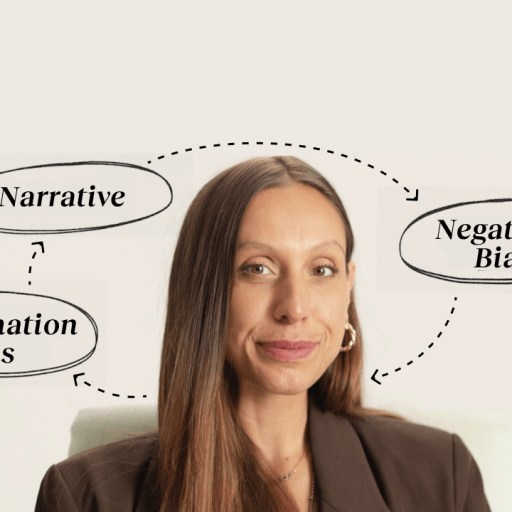
We’re all assigned a label at some point in our lives. You might be the smart one, the creative one or the lazy one. But is that designation really an […]
Unlikely Collaborators

7mins
“Happiness is NOT about feelings.” Harvard happiness expert Arthur Brooks debunks the biggest myths about humanity’s most sought-after state, and explains how to actually get it.

6mins
Knowing your key strengths can make you happy in anything you do. Here’s how to identify them.

6mins
These money experts say you can buy happiness. There are some red flags to look out for, though.
Million Stories

7mins
To be happy, you have to become antifragile first. Harvard’s Tal Ben-Shahar explains.
John Templeton Foundation

4mins
New research shows that having an attitude of gratitude is key to healthy relationships, and it can virally impact society.
John Templeton Foundation

5mins
There are two kinds of suffering. One is pure pain. The other makes life worth living.
John Templeton Foundation

3mins
Why studying happiness is good for your “psychological immune system,” explained by Harvard “happiness professor” Tal Ben-Sharar.

The road to happiness is indirect and full of frustration.