




















Search
Public Health

Artificial intelligence can forecast the behavior of viruses and quickly make vaccines to thwart them.

"Precarious manhood" is the belief that manhood must be earned and constantly defended. It has a poor outcome.

A cure may be on the horizon.

A new hypothesis accuses the simple sugar of wrecking energy metabolism.

Bathtubs and toilets each got their own rooms until health professionals urged architects to put all the plumbing in one room.

A healthy lifestyle even protects those who are genetically predisposed to depression.

According to the CDC, 50 countries worldwide have drinkable tap water. But look closer, and the picture is more nuanced.

The benefits of the psychedelic seem to last long after the trip wears off.

The young and healthy were not just as likely to die as the old and frail, according to a new analysis.
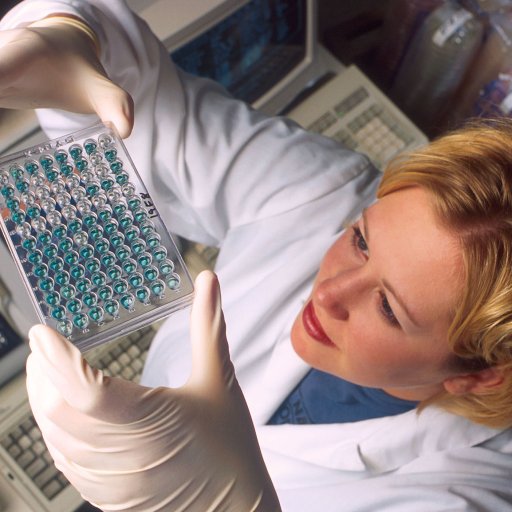
Since the 1980s, engineered monoclonal antibodies have been knocking out invading germs. Sperm may be next.

It temporarily puts the immune system on high alert to prevent MRSA, pneumonia, and other infections in the hospital.

You are much more likely to die in a car crash than from terrorism. Yet, philosopher Eran Fish says fearing terrorism more is justified.

France’s notorious disregard for washing gradually changed as military authorities and public schools promoted a modern regime of cleanliness.

If not treated, the disorder drastically increases one's risk of death.

Just 12% of Americans account for half the country's total beef consumption.

Because the milk was thin and had an unnatural, bluish tint, vendors stirred in additives such as chalk, flour, eggs, and Plaster-of-Paris.

Cancer cells hoard iron in unusually high quantities. Scientists have discovered how to leverage this to create safer cancer drugs.

To put things in perspective, the cost of sequencing a single genome in 2012 was around $10,000.

CRISPR, stem cells, and even cancer drugs are helping shape an AIDS-free future.

This is especially true for three key groups.

Over a third are worried that vaccines can cause "canine autism."

Football is a risky sport, but bicycling to work is far more dangerous.

Today's popular weight-loss drugs could soon be joined by brain stimulation and gene therapies.

Sixty years later, will anybody have heard of COVID?

A high-fat diet might trigger inflammation of the hypothalamus.

Can targeted interventions save Americans?

Ethicist and doctor Simon Whitney argues that society's overly cautious approach to medical research is blocking breakthroughs.

In many ways, it was worse than Chernobyl.

A company in England has made a test that picks out the compounds from breath that reveal if people have liver disease.

The topical gene therapy could one day help millions regain their vision.