




















Search


Ideas that inspire a life well-lived
Do we inhabit a multiverse? Do we have free will? What is love? Is evolution directional?
Life’s biggest questions rarely have simple answers. That is precisely why they continue to occupy the world’s most thoughtful minds. The Well is a place to engage those questions, drawing on insights from science, philosophy, and the humanities.
Created by the John Templeton Foundation in partnership with Big Think, The Well brings together ideas that inspire deeper understanding and a more considered approach to living.
Read Less
in partnership with
Read More
The Templeton Foundation supports interdisciplinary research and catalyzes conversations that inspire awe and wonder.

Ancient DNA just proved that ‘pure genetics’ don’t exist
The oldest bones in Britain share almost no DNA with anyone alive today. Here’s what that tells us about human history, genetics, and ethnic “homelands."

2mins
Free speech may be messy, but censorship is deadly. Founder of The Future of Free Speech Jacob Mchangama explains.

2mins
Modern culture has made us feel like there’s no time to be patient. Sarah Schnitker’s lab at Baylor University is researching how this often-forgotten virtue could improve our overall well-being.
6mins
Free speech can amplify hatred, but it also protects the fight against it. Founder of The Future of Free Speech Jacob Mchangama explains.

2mins
What separates a disciplined life from a virtuous one? Psychologist Sarah Schnitker says the answer lies in your purpose.
6mins
Virtue is hard to attain, and that’s the point. Sarah Schnitker explains why self-help shortcuts miss the mark.

2mins
Many of us rely on emotional advice that doesn’t actually work. Psychologist Ethan Kross offers a smarter, science-backed approach to managing emotions with flexibility and perspective.

2mins
Astrobiologist Betül Kaçar on why the simple act of asking questions (without needing a reason) is one of the most powerful things a human can do.

3mins
What if emotional regulation isn’t just a trait, but a skill parents and teachers can help develop? Ethan Kross reveals what science says about shaping young minds.
7mins
From trepanning to lobotomies, humans have long struggled to manage emotion. Today, we have better tools. Psychologist Ethan Kross shares what actually works, and why.
3mins
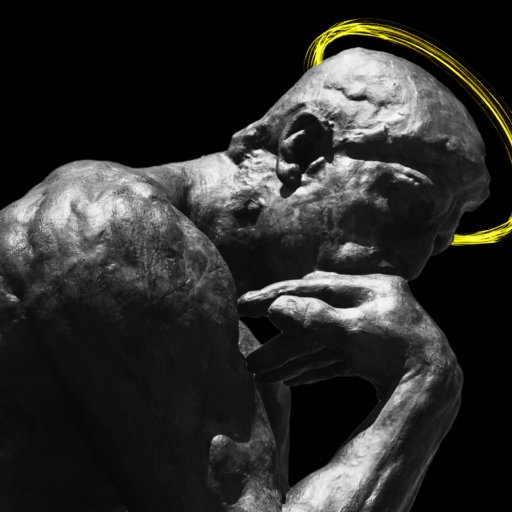
Philosopher Meghan Sullivan challenges the idea that religious texts can’t be taken seriously in modern philosophy. She explains how parables, scripture, and debate have always been connected to asking life’s biggest questions:
2mins
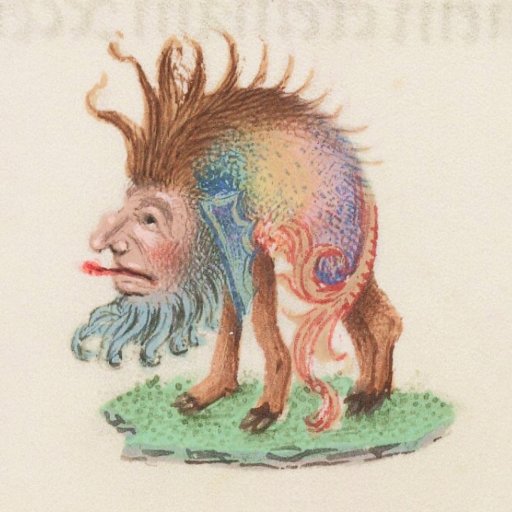
The ocean is evolving, and it’s not based on the ‘survival of the fittest.’ Astrobiologist Betül Kaçar explains how it’s not competition that has kept the ocean alive, but collaboration.

3mins
According to philosopher Meghan Sullivan, effective altruism may overlook the moral importance of seeing others as individuals. She explains how love should guide how we care for both present and future humans.
2mins
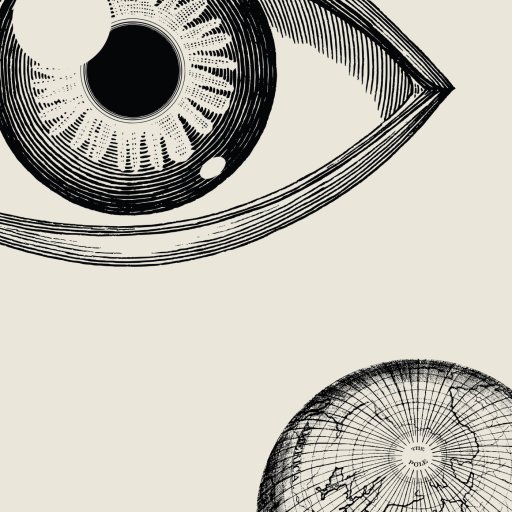
We may be close to finding life beyond Earth. But would we even recognize it if we did? Astrobiologist Betül Kaçar explains what signs NASA is looking for.
3mins
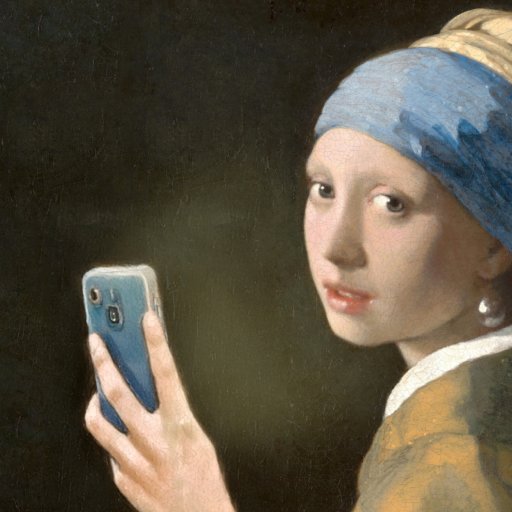
From the printing press to the internet, every technological revolution in history has reshaped human thought. Now, with AI accelerating by the day, philosopher Meghan Sullivan asks: Are we ready for the philosophical shift that must follow?
6mins
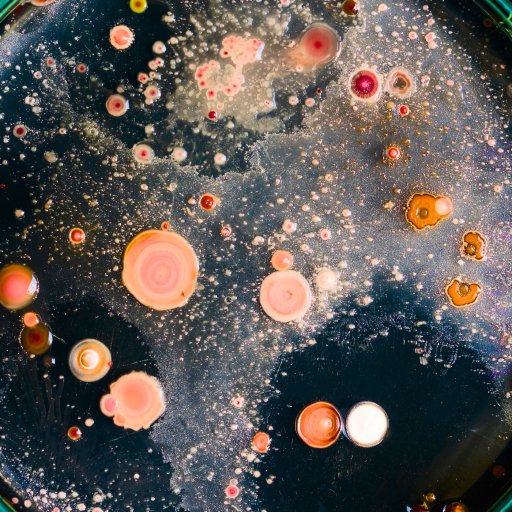
These microbes endured the unlivable. The NASA astrobiologist who studies them reveals what that means for us today

6mins
Aristotle thought that a friend you love is considered your ‘second-self’, someone whose pain feels like your own. Philosopher Meghan Sullivan asks, what happens when you extend that kind of love to strangers?

3mins
From nothing to everything: How zero changed our understanding of the universe, forever.

1mins
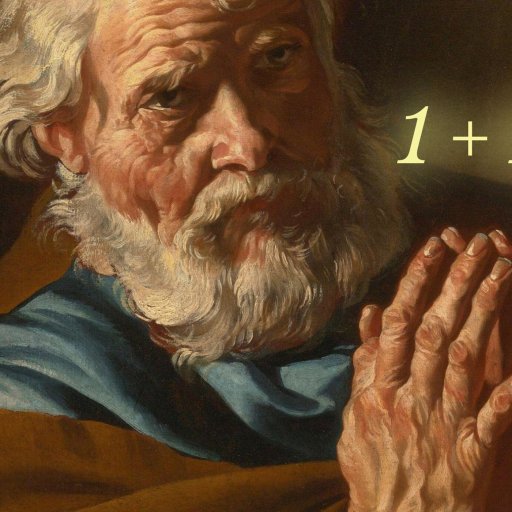
What would the world be like if we focused on “the inherent beauty of math,” rather than its technical aspects? A statistician reflects:
2mins
Statistician Talithia Williams on how math is the clearest path to understanding our existence.

3mins
How do scientists measure and define life in the natural world? Dr. Lee Cronin gives us a definition, in 4 minutes: