











Search
Latest Videos
A library of interviews with the world’s biggest thinkers.

4mins
No, says the Jerusalem Symphony Orchestra conductor; the most music can offer is common ground.

4mins
Engaging the next generation will be like re-introducing a child to vegetables they hated when they were children.

4mins
Leon Botstein explains why his “Classics Declassified” is akin to discovering a new city by wandering around.
14mins
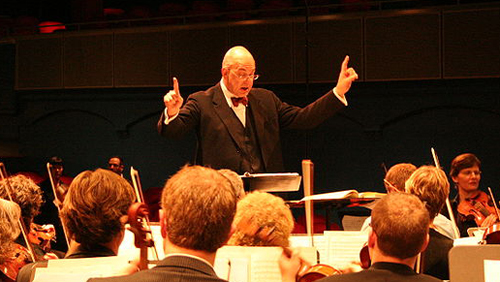
Putting a piece of music on the stage is always about intention of the interpreter. It’s never really an honest historical representation of what the composer intended.

2mins
The conductor was inspired to study music after his mother, a pianist, tragically lost her hearing.

41mins
A conversation with the President of Bard College and the Music Director of the American Symphony Orchestra and Jerusalem Symphony Orchestra.
1mins
Azim Premji’s main concern is that too much protectionism is building up in the developed world.
1mins
China will likely take proactive steps to slow down the flow of money through exports.
2mins
The most important thing that India needs to do is maintain fiscal discipline.
4mins
The Billionaire explains why he’s decided to give most of his fortune to charity.

6mins
Because heads of global companies are more responsive to the wishes of authoritarian regimes, authoritarian values are beginning to take hold in the U.S.

6mins
The economist presents the “Prestowitz plan”—a to-do list for how we can play our cards better.

4mins
The fact that we can just keep printing dollars allows us to be irresponsible. As a result, we over-consume, over-spend, and over-borrow.
4mins
We’re depleting our resources and innovative energy in order to develop specialized products and technologies we don’t actually want to use.

5mins
From 1800 to 1950, we acted, economically, the way China is acting today.

28mins
A conversation with the President of the Economic Strategy Institute.
In writing, as in sports, “if you want to compete you have to train.”
1mins
Isabel Allende has seen her American grandchildren grow up to embrace technology and rugged individuality.
2mins
Some of Isabel Allende’s best fiction has been inspired by private correspondence. Yet as Twitter replaces the letter, she fears that we’re losing “the beauty of language.”