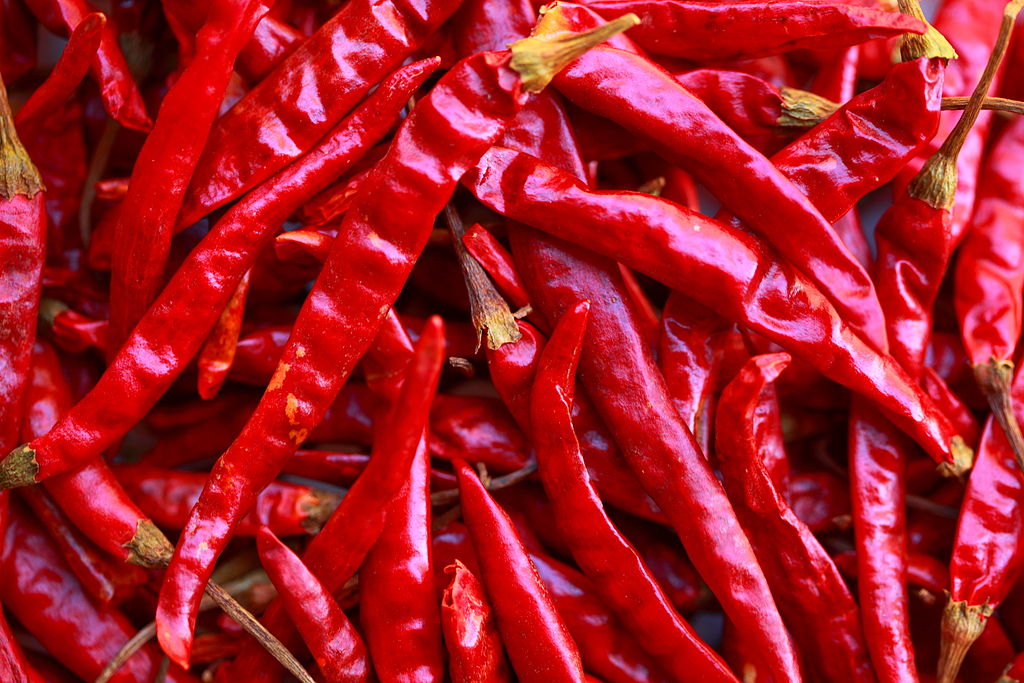
“Why does spicy food taste ‘hot’? After all, a chili pepper at room temperature will still ‘burn’ our tongue and cause us to sweat. We’ll crave ice-cold water and wave our hands frantically in front of our face. To answer this question, we need to investigate the physiology of taste. It turns out that capsaicin—the active ingredient in spicy food—binds to a special class of vanilloid receptor inside our mouth called VR1 receptors. After capsaicin binds to these receptors, the sensory neuron is depolarized, and it sends along a signal indicating the presence of spicy stimuli.”

Monthly Issue
April 2026
The Energy Transition
In this monthly issue, we examine how our understanding of energy — and how we source and use it — is evolving.
1 video
11 articles