
Test Special Issue

Game Change

Do elite athletes really make elite employees?

Sports, we tend to assume, offer a sharp-edged reflection of business life in microcosm — leadership under pressure, the winning mentality, valuable lessons drawn from loss. It’s all there. Just kick back with a beer and a pizza and watch your pathway to workplace success unfold on game day. Well, it turns out that the connections are often far more nuanced than we might have presumed. Do elite athletes really make elite employees? What’s the connection between Swedish pragmatics in soccer and a thriving startup culture? Have you factored in the difference between “wicked” and “kind” environments (and what does that even mean)? We investigate all of these pivotal tangents, and much more, in this Big Think special collection of essays, interviews, and curated book excerpts. Forget everything you’ve been told about the synergies between sports and business. It’s time to rewrite the rules.
Blue background with the words "Game Change" in white, surrounded by strategic game symbols and graphs in the background.
Presented by
John Templeton Foundation
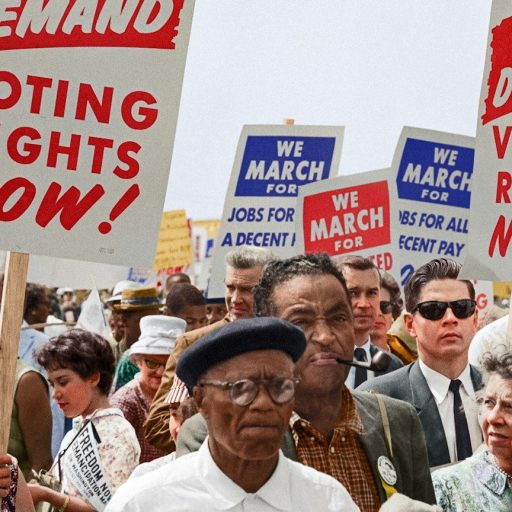
A group of people holding signs that say we demand voting rights now.
There is a cross-country correlation between democracy and health. Is there good evidence to suggest it is causal?
A man and woman wearing a vr headset and giving each other a high five.
From AI to health and the metaverse, this year's CES promised new tech that will change lives long after the excitement of the latest TV wears off.
A forest overlaid with an image of a city
The answer is set to change in the year 2113, a recent estimate suggests.
An image of a brain exhibiting the tetris effect.
Prolonged and repetitive tasks rewire us in profound ways – which can be a force for good at work.
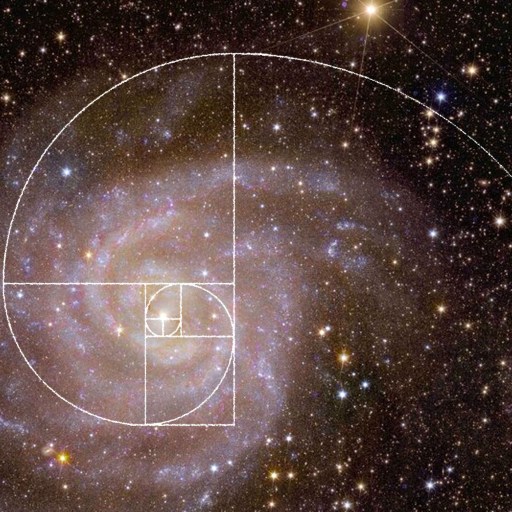
An image of a spiral galaxy with stars in the background, showcasing the mesmerizing beauty of cosmic formations.
The pattern 1, 1, 2, 3, 5, 8, 13, etc., is the Fibonacci sequence. It shows up all over nature. But what's the full explanation behind it?
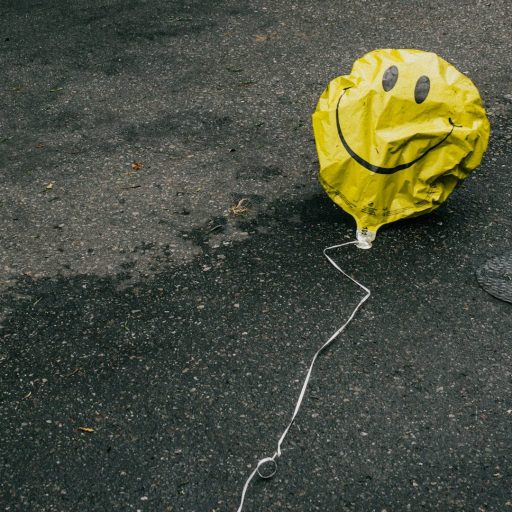
A yellow balloon lying on the ground in front of a car.
Studies claiming to reveal strategies for feeling happy get a second look.
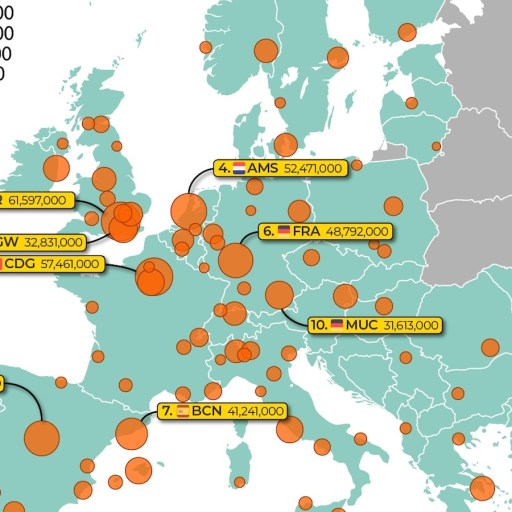
A map of europe with many orange dots.
London’s busiest airport seems to be rebounding well from the pandemic — but Istanbul has better prospects in the long run.
The honest power of placebos.
Placebo treatments don't always need to be given deceptively to have positive effects.
A black background with the earth in the foreground.
Two scientists recently wagered a bottle of whiskey. The bet? Whether we'll find evidence of advanced extraterrestrial life in the next 15 years.
Innovation leaders standing in front of the ibm logo.
IBM veteran Daniel Sabbah learned from experience how to lead through the challenges of demand and innovation.
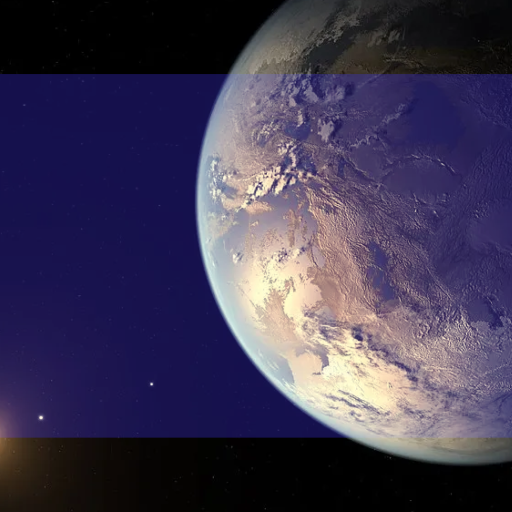
An image of a planet with a moon, highlighting one of the first living worlds discovered.
Life became a possibility in the Universe as soon as the raw ingredients were present. But living, inhabited worlds required a bit more.
The u s vs itself.
33mins
The United States is the biggest risk in 2024. Here are the other 9, explained by Ian Bremmer, president of Eurasia Group and GZERO Media.
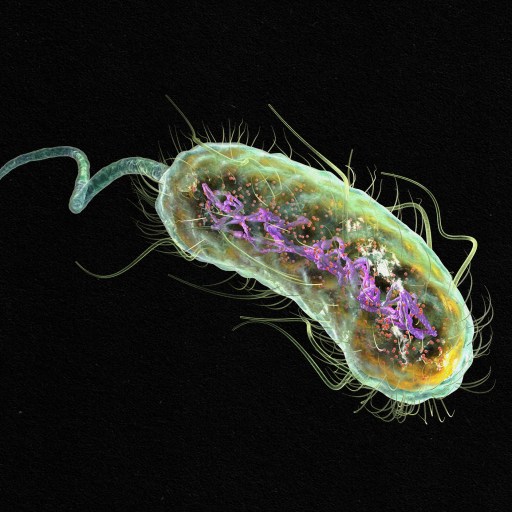
An illustration of a bacterium on a black background related to Parkinson's disease.
Growing evidence suggests a link between the debilitating neurological illness and the microbes that live in our intestines. The vagus nerve may be a pathway.
A man in a blue shirt is holding his neck in front of a laptop, possibly experiencing inflammation.
Western societies seem to be getting inflammation achingly wrong.
A swimmer is utilizing psychology for success while swimming in a pool at night.
Psychologist Noel Brick shares the mental techniques we can use to improve our performance on and off the field.
primordial black holes
Today, supermassive black holes and their host galaxies tell a specific story in terms of mass. But JWST reveals a different story early on.
A silhouette of a person standing out amidst a crowd, evoking memories and exploring the complexities of consciousness.
High-frequency oscillations that ripple through our brains may generate memory and conscious experience.
An image of a purple galaxy in space.
Observations of an enormous cosmic structure, dubbed the "Big Ring," seem to violate the Copernican principle.
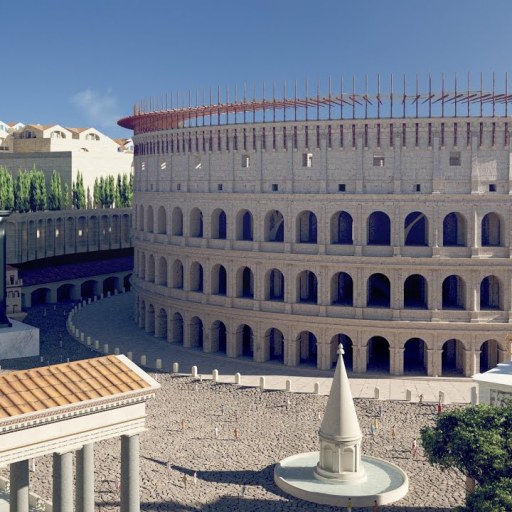
A model of the Colossus depicting the grandeur of ancient Rome.
Archaeologist Bernard Frischer spent decades uploading the ruins of the Eternal City to the cloud. Here’s what it looks like.
Neuroscience of rivalry: Fans of England experience intense celebration after their win over Switzerland.
For better teamwork, take a lesson from research into soccer fans who put aside their tribalism.