




Test Special Issue

Game Change

Do elite athletes really make elite employees?

Sports, we tend to assume, offer a sharp-edged reflection of business life in microcosm — leadership under pressure, the winning mentality, valuable lessons drawn from loss. It’s all there. Just kick back with a beer and a pizza and watch your pathway to workplace success unfold on game day. Well, it turns out that the connections are often far more nuanced than we might have presumed. Do elite athletes really make elite employees? What’s the connection between Swedish pragmatics in soccer and a thriving startup culture? Have you factored in the difference between “wicked” and “kind” environments (and what does that even mean)? We investigate all of these pivotal tangents, and much more, in this Big Think special collection of essays, interviews, and curated book excerpts. Forget everything you’ve been told about the synergies between sports and business. It’s time to rewrite the rules.
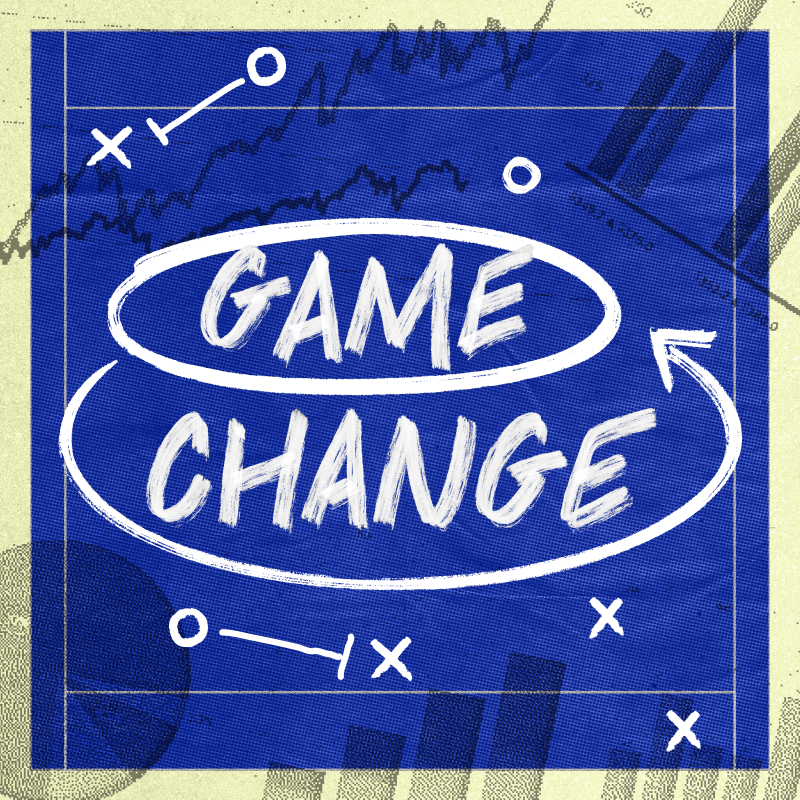
Blue background with the words "Game Change" in white, surrounded by strategic game symbols and graphs in the background.
Presented by
John Templeton Foundation
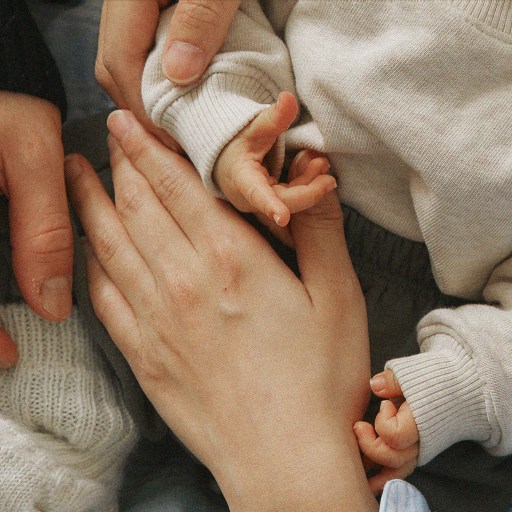
A woman holding a baby's hand, symbolizing the bond between families.
Smaller family networks, more great-grandparents, and fewer cousins.
The Medea affect is brilliantly captured in this painting of a powerful woman brandishing a sword.
Parents will sometimes use children as weapons in their relationship battles — and the fallout can be devastating.
The cover of the book envisions a sustainable future.
Environmental progress is happening quickly but we must keep pushing for change.
The six disciplines of strategic thinking.
Why has the value of strategic thinking never been higher? It’s complex.
An image of a colorful object resembling a dark primordial galaxy in the sky.
Finding it at all was a happy accident. Examining it further may help unlock the secrets hiding within the earliest galaxies of all.
An image of a star nebula in space.
A new measurement offers insights on the density of the mysterious force driving the Universe's expansion.
A picture of a calendar featuring staff meetings with a smiley face on it.
Organizational scientist Steven Rogelberg discusses the common meeting mistakes leaders make and how they can change course.
A painting of a woman with a hat on an orange background.
6mins
Biology plays an important role in emotional reactions, but neuroscientist Kristen A. Lindquist posits that our culture is just as influential.
Unlikely Collaborators
A diagram showing the earth and tpaper folding to the moon.
Each time you fold a piece of paper, you double the paper's thickness. It doesn't take all that long to even reach the Moon.
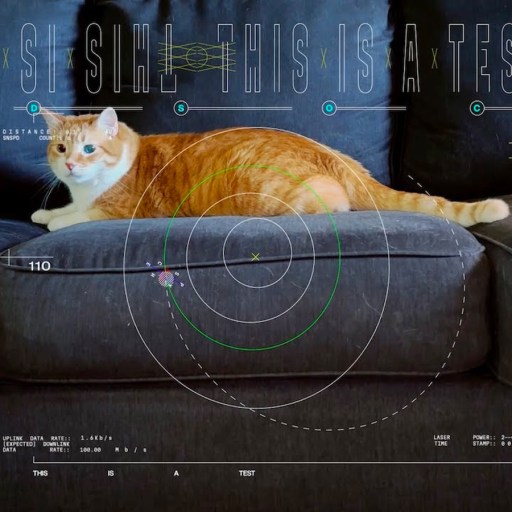
A cat is sitting on a couch in front of a computer screen.
The record-breaking transmission could revolutionize deep space communication.
The head of a man and a woman are shown side by side in a research study focused on ketamine and depression.
Ketamine’s remarkable effect bolsters a new theory of mental illness.
A gold cylinder with a yellow handle crafted for quantum computing.
Here in the 21st century, quantum computing is quickly going from a dream to a reality. But what's hype, and what's actually true?
An image of a person's ear and brain.
It could perform a speech recognition task with 78% accuracy.
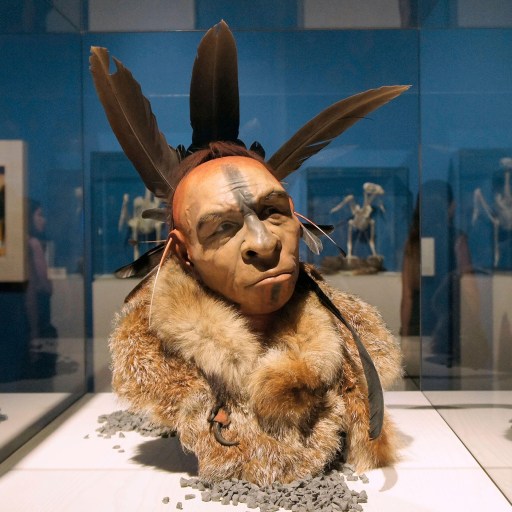
A group of people look at a display of Neanderthal artifacts.
They have held our fascination ever since we first identified their remains.
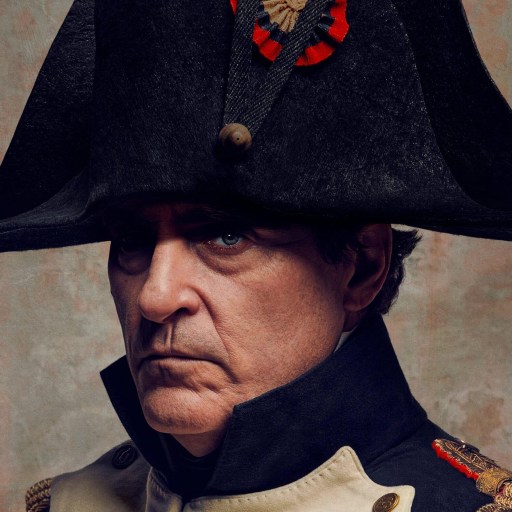
A man in a military uniform wearing a hat resembling Napoleon.
Napoleon Bonaparte was a man of many faces. European historian Michael Broers explains which are featured on the silver screen and why.
An image of a human heart in flames.
The heart's rhythms may play a larger role in shaping psychedelic experiences than previously thought.
Image of a dollar bill on a green background.
Slack’s recent radical upskilling booster week highlighted the urgent need for new approaches to L&D: here are some of the most groundbreaking.
Sunlit pebbles on a black background.
The cosmic scales governing the Universe are almost unbelievably large. What if we shrunk the Sun down to be just a grain of sand?